The vivo X Fold 6 launch is a useful reminder that foldable phones do not have to chase thinness above everything else. For several years, the category has been measured by hinge refinement, crease reduction, and how close a folding phone can feel to a normal slab. Those things still matter, but battery capacity and workflow software may matter more once the novelty fades.
A large foldable is only convincing if it can act like a working device for a full day. That means the inner screen should support serious multitasking, the battery should survive long stretches away from a charger, and the software should make switching between tasks feel intentional. Thin hardware is impressive in photos, but it is not enough if the phone feels anxious by late afternoon.
The AI angle is also more practical on foldables than on smaller phones. A wider canvas can show summaries, notes, translation, browser windows, and chat tools side by side. If phone AI is going to move from party trick to productivity tool, a foldable gives it more room to be seen, corrected, and trusted.
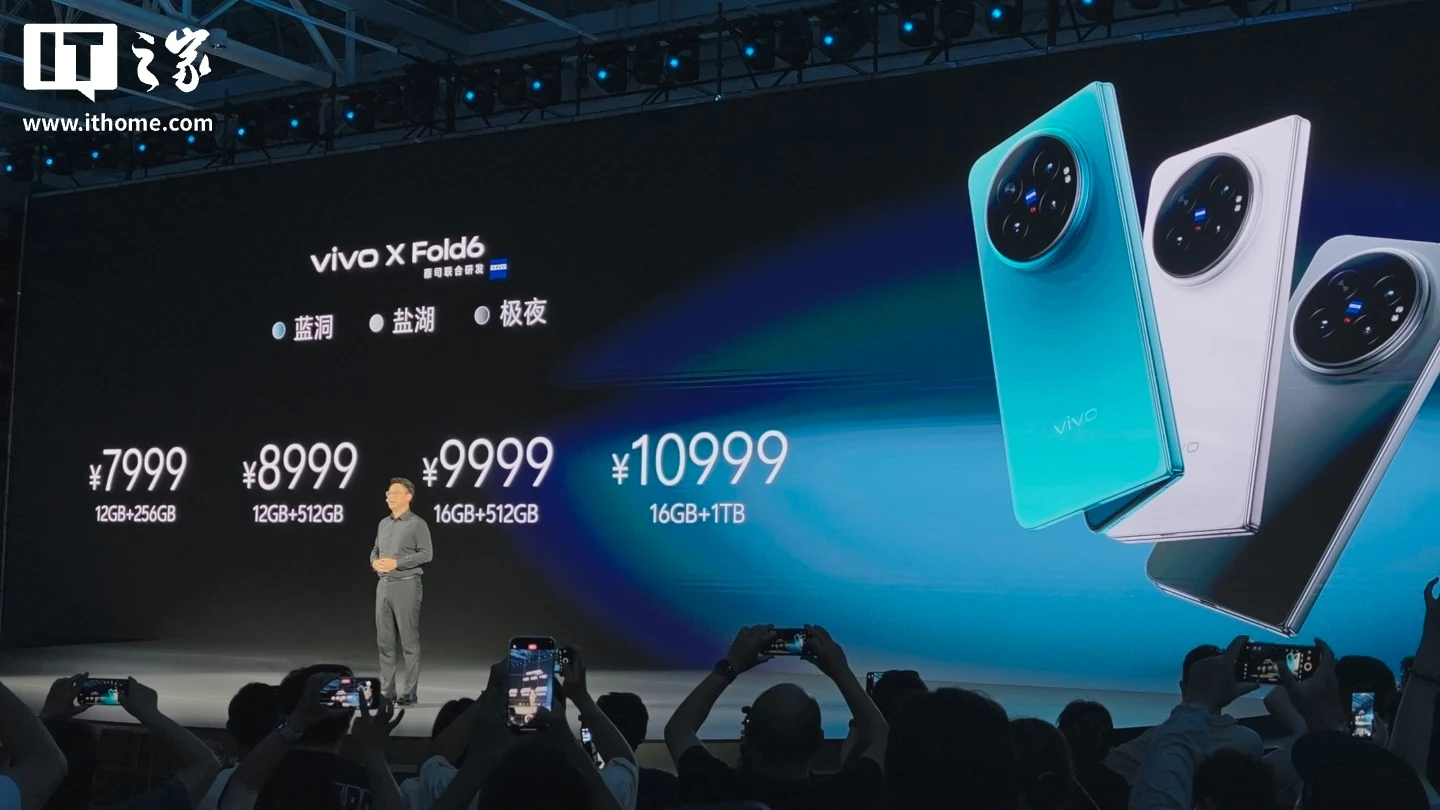
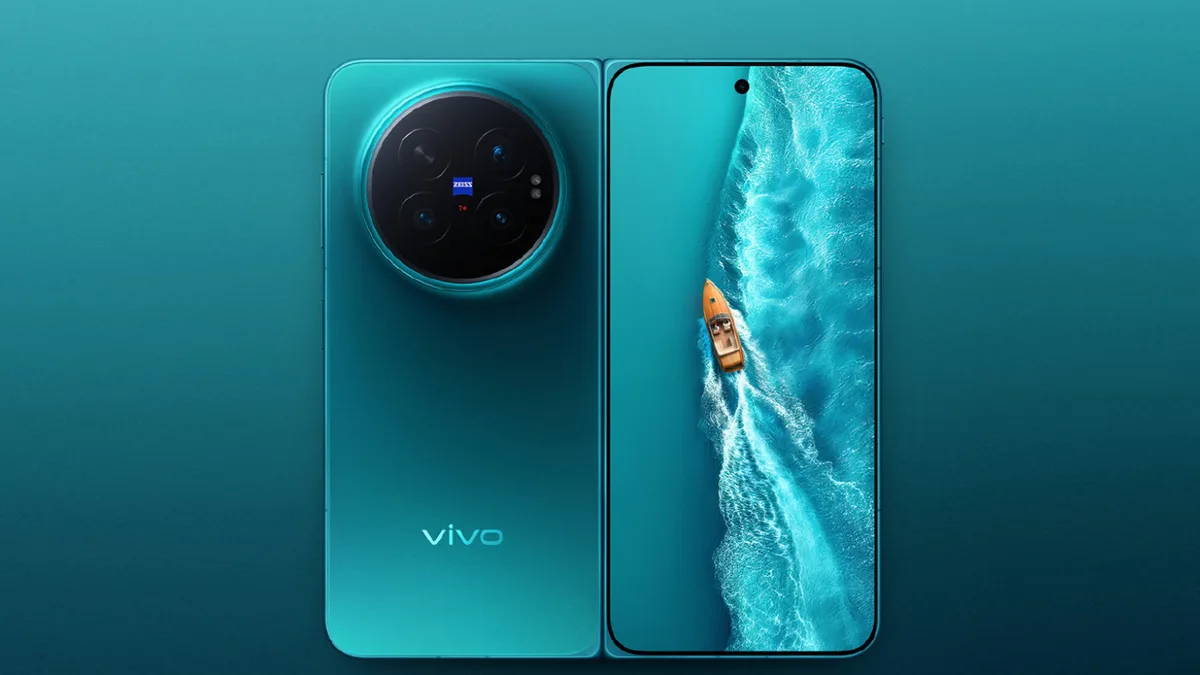
Android Authority covered the newly launched vivo X Fold 6 as a foldable with a large battery and an external lens. That combination shows vivo trying to make the device useful beyond the basic promise of a bigger screen.
We saw the same direction in earlier coverage of vivo's X Fold 6 chip and AI positioning. The strongest foldable story is not that it opens. It is that opening it changes how much work the phone can handle without becoming clumsy.
The challenge for vivo is availability and trust. A powerful foldable can look excellent on paper while still facing questions about repair, software longevity, and app behavior outside China. Even so, the X Fold 6 is pointing the category toward a better target. Foldables should stop trying to be the thinnest possible phones and start proving they are the most useful pocket computers.
The battery decision is especially important for foldables because users tend to push them harder. A large inner screen invites video calls, document editing, gaming, maps, and split-screen browsing. If those sessions drain the device too quickly, the foldable becomes a special-occasion screen instead of the main computer in a pocket.
AI features need to respect that power budget. Summaries, live translation, smart windowing, and document tools can be useful, but not if they constantly wake radios, heat the phone, or require cloud round trips. The strongest foldable AI will combine local responsiveness with cloud help only when the task really needs it.
vivo's launch also raises a pressure point for global brands. Chinese foldables are showing that large batteries and aggressive hardware are possible without waiting for the category to mature slowly. The remaining challenge is international software polish, service networks, and confidence that a premium foldable will be supported long after the launch window.
The most persuasive foldable features will be the ones users do not have to hunt for. If the X Fold 6 can suggest useful split-screen layouts, keep workspaces alive, and move content between windows without friction, the AI story becomes practical. That is where foldables can separate themselves from normal phones instead of merely showing larger versions of the same apps.