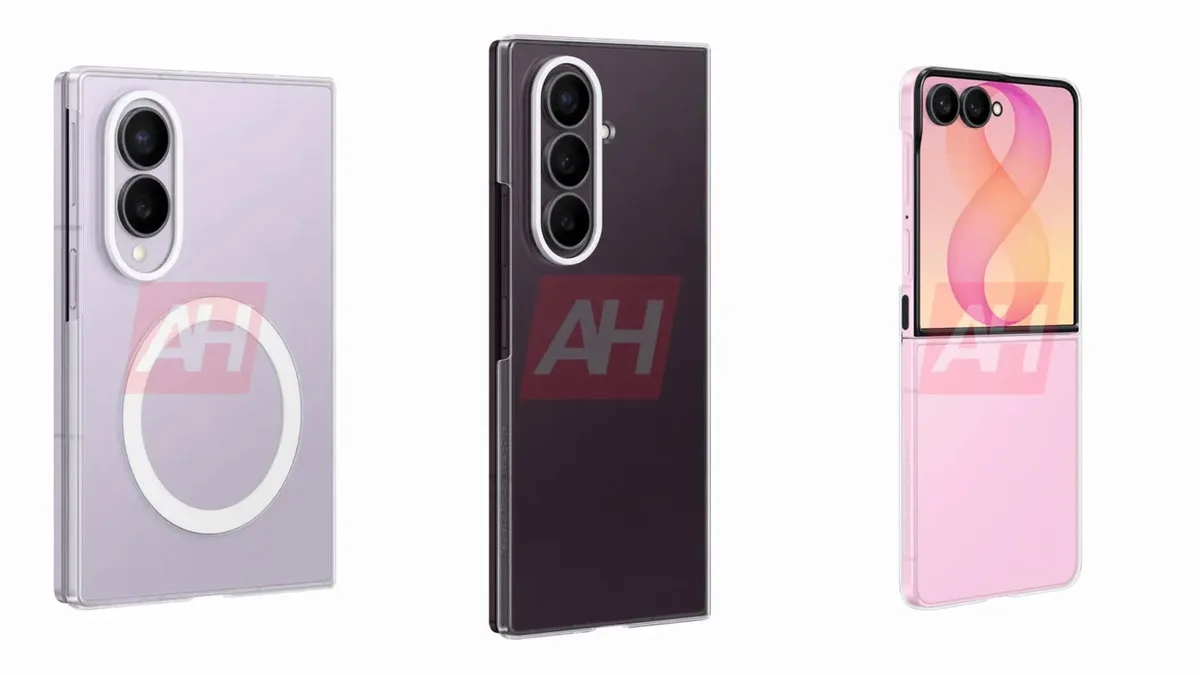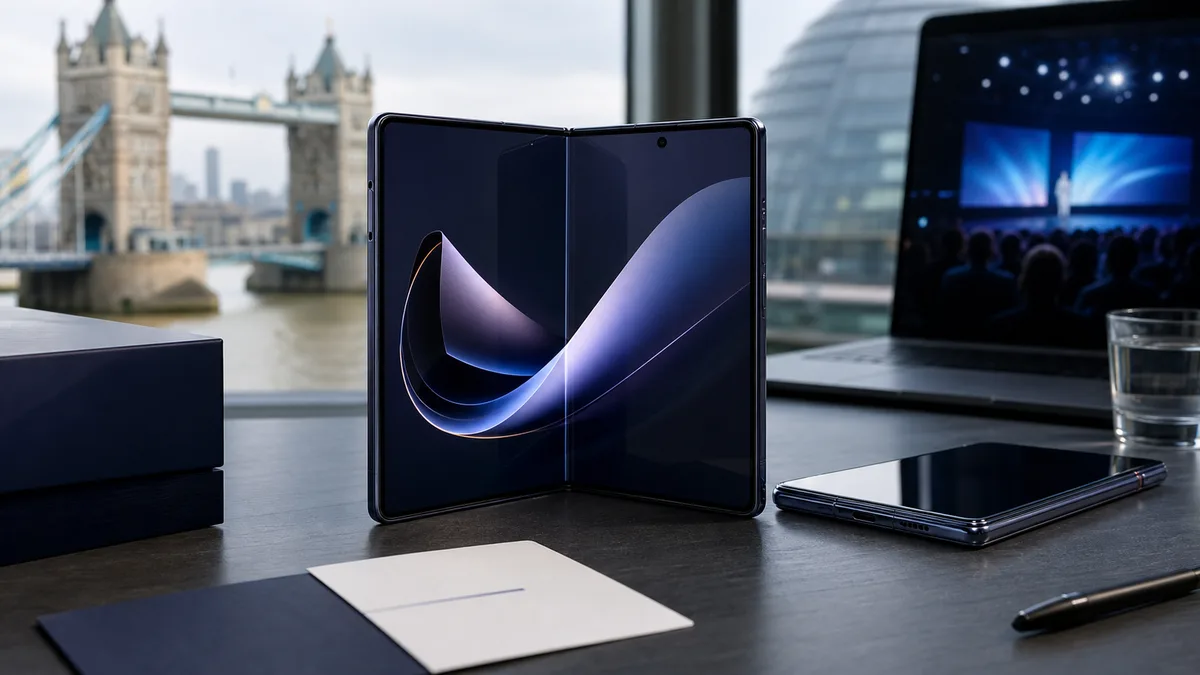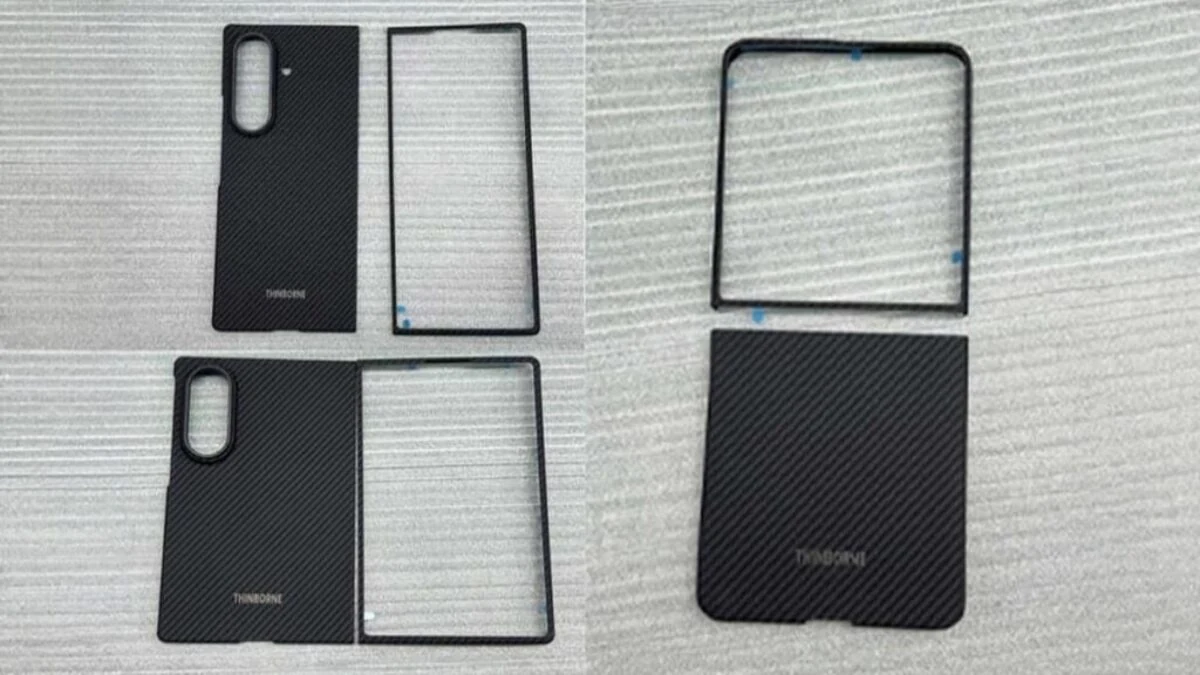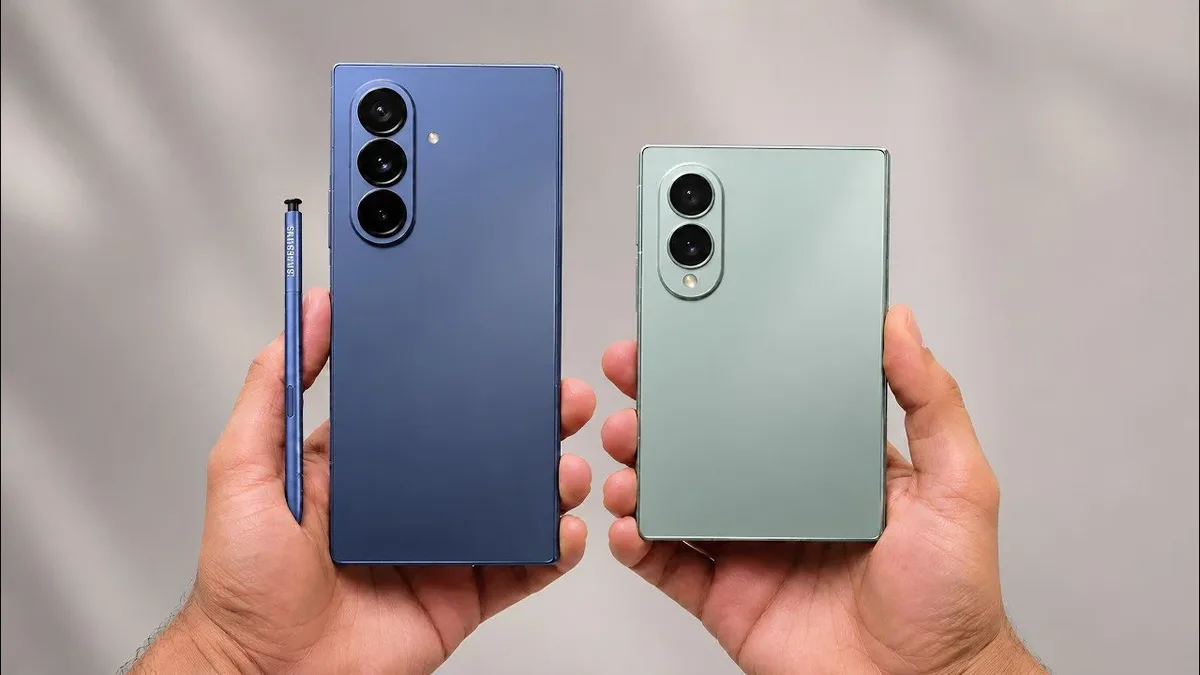
Color leaks can look superficial, but they often reveal how a company wants a device to be perceived. For Samsung's Galaxy Z Fold line, that matters. The Fold is not just a phone. It is Samsung's most visible argument that foldables are premium productivity devices, and color choices help decide whether the product feels professional, experimental, or fashion-led.
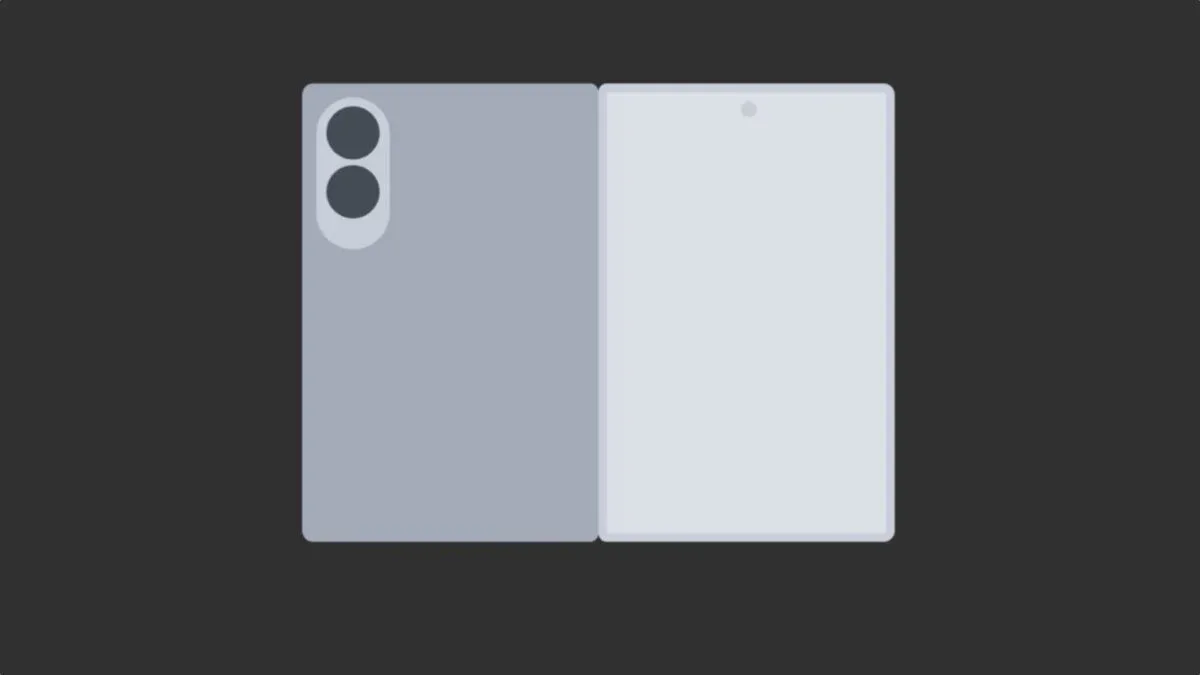
A split between Ultra and Wide models would make color strategy even more meaningful. Samsung could use restrained finishes for a productivity-focused Ultra while allowing the wider or more lifestyle-oriented model to carry bolder shades. That would be a simple way to communicate different identities before a buyer studies the spec sheet.
The broader foldable market has become crowded enough that design signals now matter more. Early buyers cared that the screen folded at all. Today's buyers ask how heavy the device is, how the crease looks, whether the cover display feels normal, and whether the camera island is awkward. Colors cannot solve those issues, but they frame the first impression.
Geeky Gadgets reports that leaked colors show a clearer difference between the Galaxy Z Fold 8 Ultra and Wide. If the leak is accurate, Samsung may be using visual identity to separate models more strongly than it has in past foldable generations.
That fits the same strategic pressure we covered in our piece on Galaxy Z Fold 8 weight and crease rumors. Samsung has to fix the practical complaints while also making the lineup easier to understand. A name like Ultra only works if the hardware and design both support it.
The leak is not enough to judge the Fold 8 family, but it hints at a more mature product stack. Samsung appears to be moving from one flagship foldable toward a lineup with clearer personality. That can help, provided the company does not let color become a distraction from the harder problems: durability, price, repair confidence, and software that makes the inner screen worth opening.
Color can also signal who Samsung thinks each model is for. A conservative palette suggests enterprise, productivity, and premium restraint. Brighter finishes suggest lifestyle buyers and early adopters. The Fold line has often leaned serious, so any widening of the color range may show Samsung trying to make foldables feel less boardroom-only.
Retail shelves benefit from that clarity. Foldables are expensive and sometimes difficult to understand in photos. If colors, names, and finishes make the lineup easier to separate at a glance, sales staff and buyers have a simpler starting point. That matters in stores where hands-on time is brief.
The leak should still be read cautiously. Color options can change by region, carrier, storage tier, and online-exclusive campaigns. But even an early color list gives clues about product positioning. Samsung appears to be thinking beyond one Fold for everyone, and that is probably necessary as the category grows.
Samsung's final launch will need to connect those visual choices to practical differences. If Ultra and Wide are separated only by colors and marketing language, buyers will notice. If the finishes match real differences in size, weight, cameras, battery, or screen behavior, the lineup becomes easier to defend. Color should support the product story, not carry it alone.