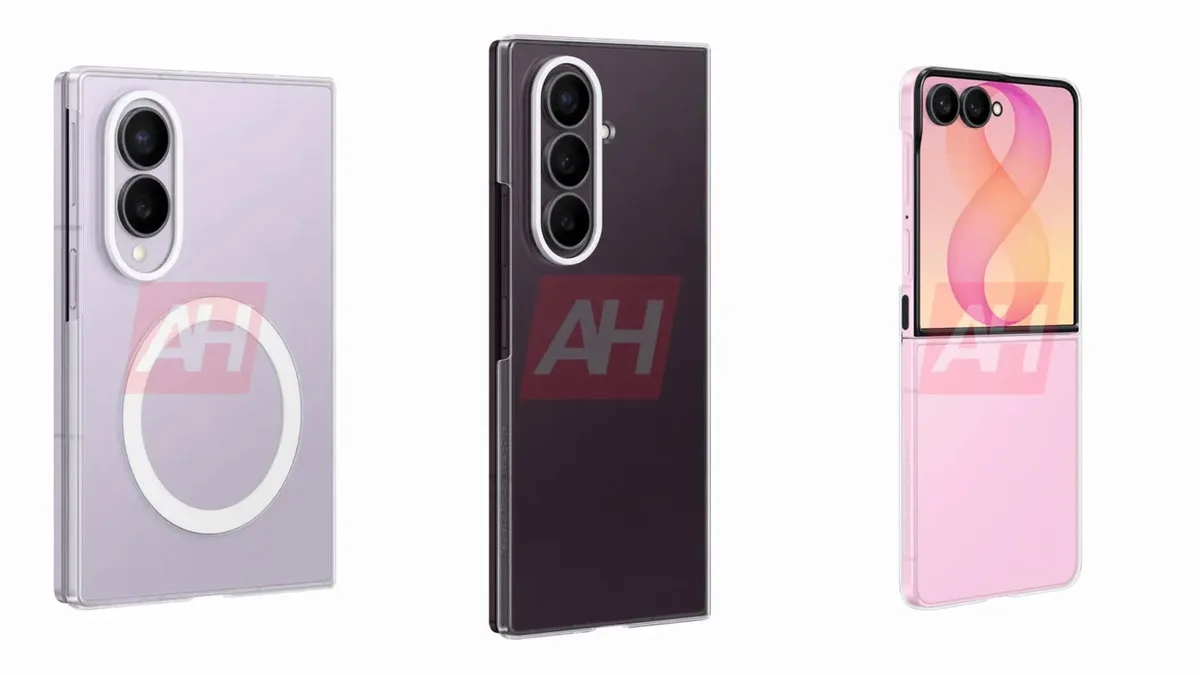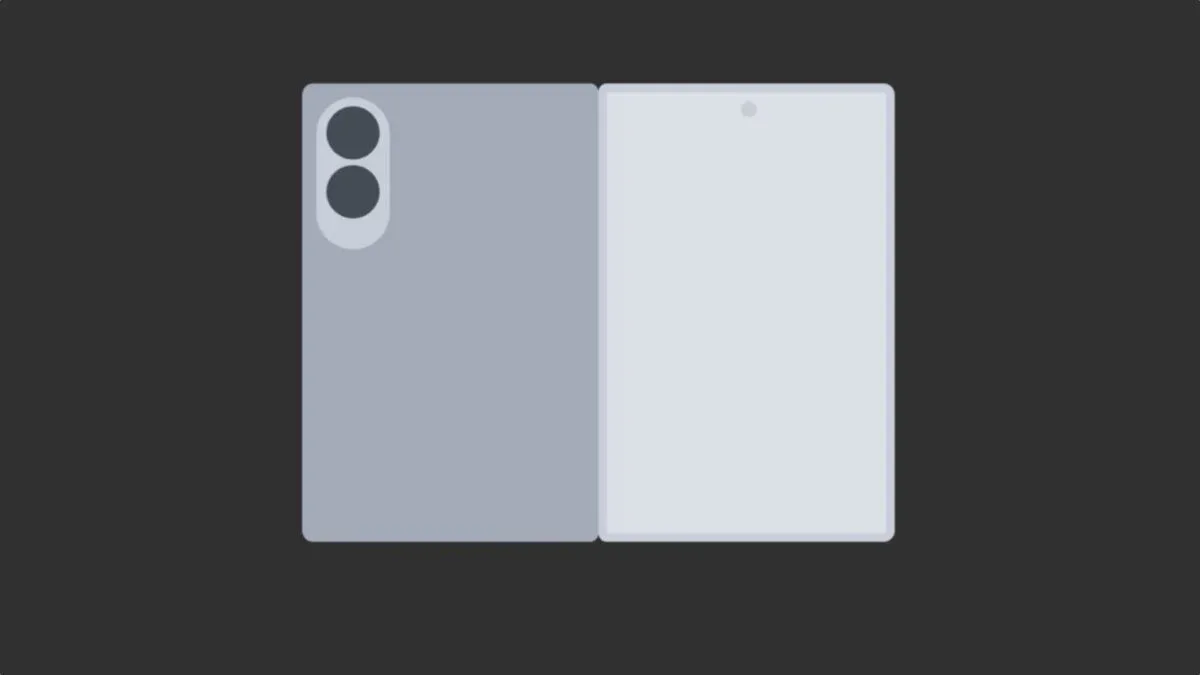
The Galaxy Z Fold 8 specification leak is less about one headline number and more about whether Samsung can finally make the Fold feel ordinary in the best way. Foldables have carried a visible tradeoff for years: you get a tablet-like inner screen, but you pay for it with weight, thickness, battery anxiety, and a cover display that can feel compromised. A credible spec leak now puts those familiar pressure points back in view.
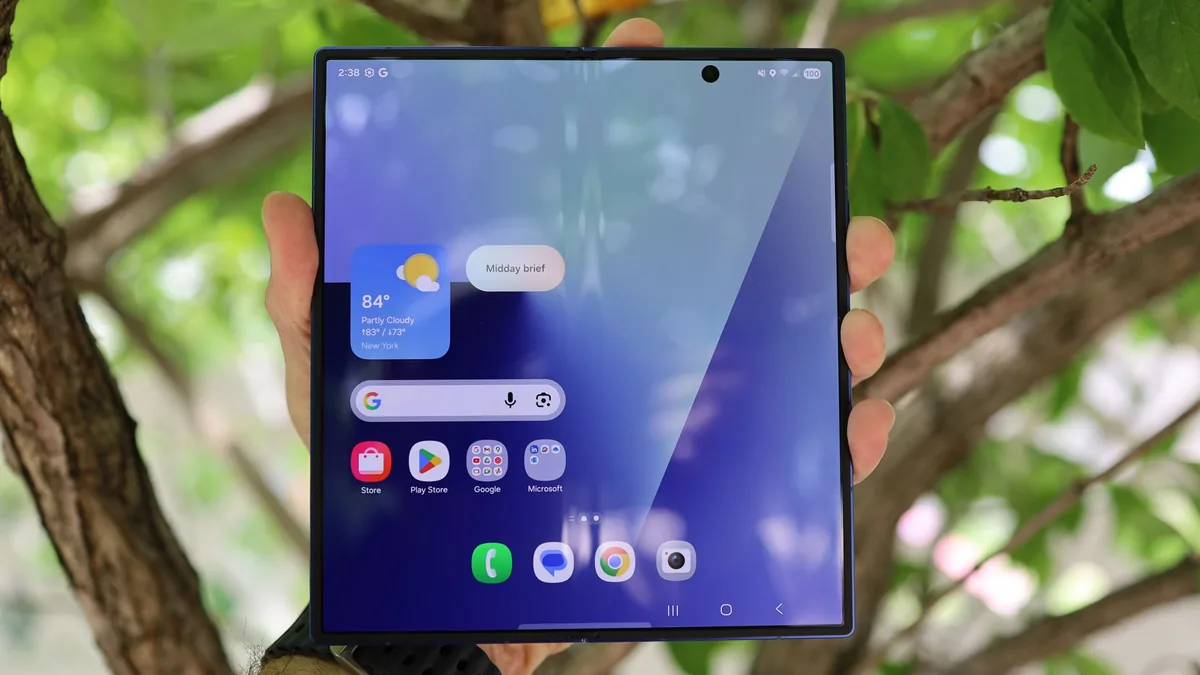
The reported dimensions and weight are important because foldable comfort is cumulative. A few grams saved, a fraction of a millimeter removed, and a wider outer screen can change how often someone reaches for the device instead of a second tablet or laptop. Samsung does not need the Fold 8 to become impossibly thin. It needs the phone to stop reminding users that it is a special object every time they open a pocket.
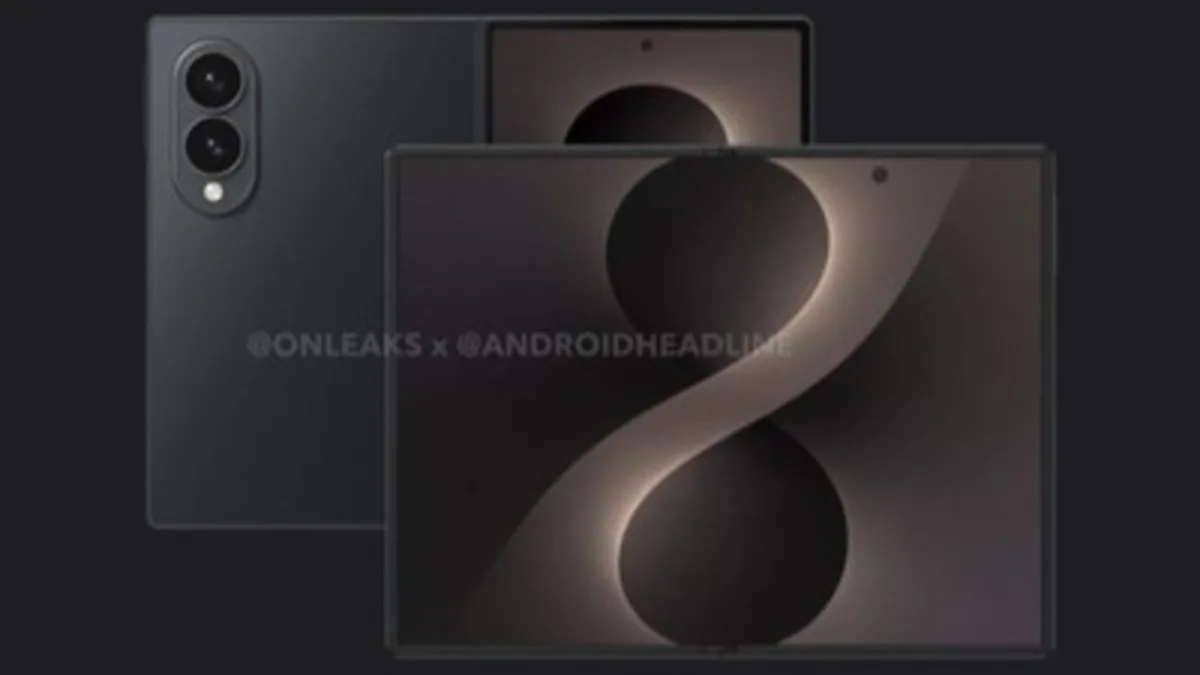
SamMobile reports leaked Galaxy Z Fold 8 specifications from a reliable tipster, including design, camera, battery, and charging details. The report is not an official Samsung announcement, but it gives a useful checklist for what the company may emphasize when the foldable is introduced.
This follows the same direction as our earlier Fold 8 weight and crease analysis. Samsung appears to be working on the complaints that matter after the first week of ownership: does the hinge feel natural, does the screen crease distract, and can the phone be held comfortably for long reading sessions?
The camera and charging pieces deserve caution. Samsung has often protected the Fold's slim profile by avoiding the most aggressive camera hardware from the Ultra line. That may disappoint spec hunters, but it reflects the engineering reality of a folding chassis. If the Fold 8 prioritizes balance, the camera system has to be good enough without turning the device into a thicker slab.
Battery is the harder test. A bigger inner display encourages multitasking, video, maps, and document editing, all of which drain power faster than casual phone use. If Samsung keeps the pack conservative, it must lean on display efficiency, chipset gains, and charging behavior. A foldable that needs a midafternoon rescue still feels experimental no matter how refined the hinge becomes.
The leak is useful because it shows Samsung's likely tradeoff map. The Fold 8 may not chase every maximum spec, but it seems designed to reduce friction. That is the right target. Foldables will grow when the hardware fades into the routine, not when buyers have to keep explaining why their expensive phone needs special treatment.
Samsung also has to avoid creating a phone that wins the leak cycle and loses the repair conversation. Thinness is valuable only if hinge strength, screen protection, dust resistance, and battery health remain convincing. Foldable owners are more aware of long-term wear than normal phone buyers. If the Fold 8 gets lighter while keeping service costs and durability concerns under control, the improvement will feel real after months of use, not just during a hands-on demo.
The launch will need plain comparisons, not only polished claims. Samsung should show how the Fold 8 feels against older Fold models, normal flagship phones, and rival Chinese foldables. That is how buyers will judge the improvement in stores. If the device feels meaningfully less bulky in a quick hand test, the leaked numbers will have done their job.