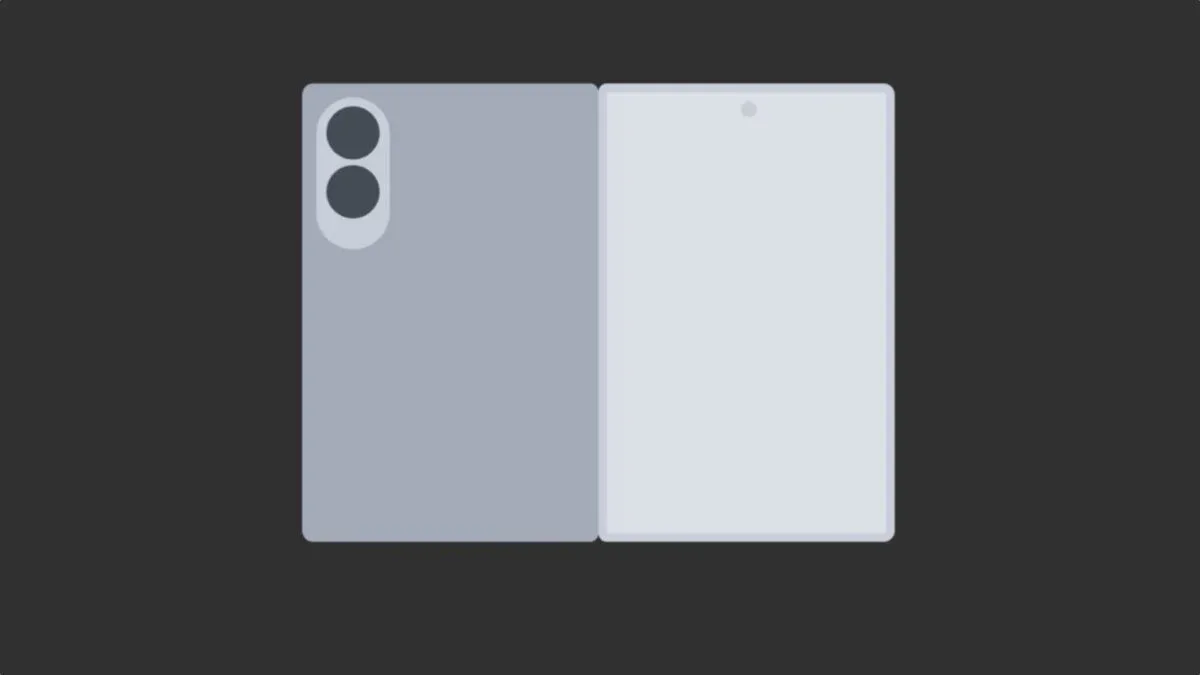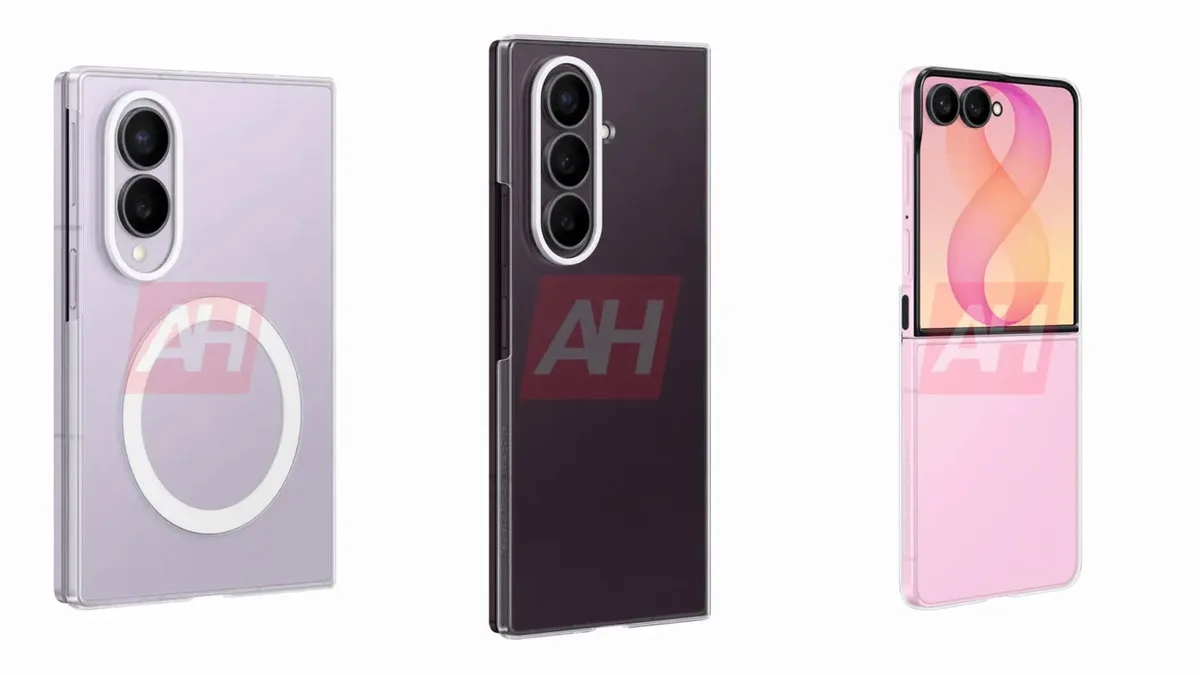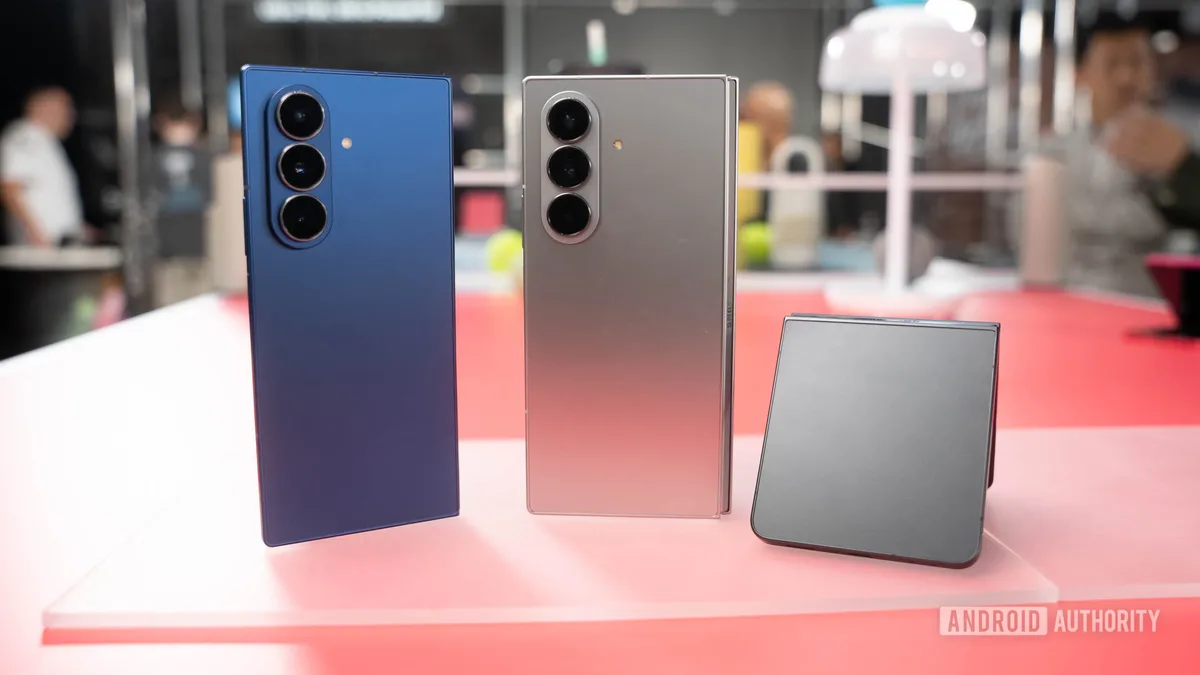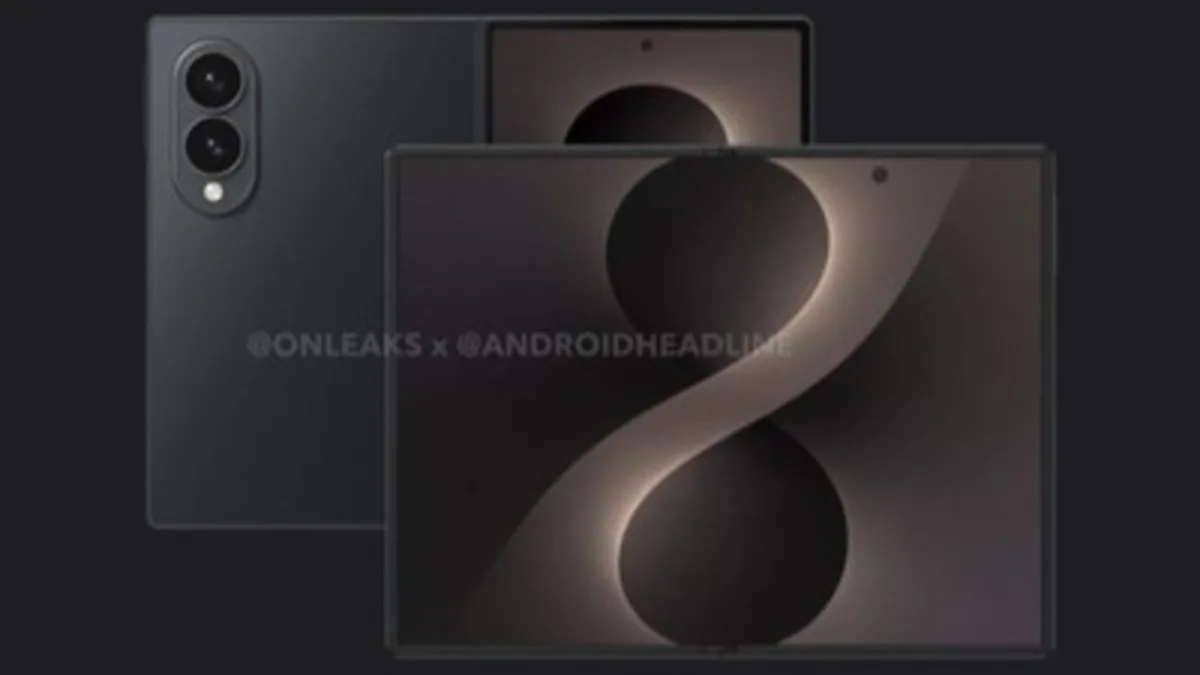
CNMO's Chinese-language Galaxy Z Fold8 report puts the foldable conversation back where it belongs: weight, thickness, and screen proportions. Foldables can win spec-sheet arguments all day, but the ownership experience depends on whether the device feels comfortable when closed, stable when open, and light enough to carry without hesitation. Those are the details that separate a showcase product from a daily phone.
The reported 4.5mm unfolded thickness and 201g weight, if accurate, would be more than trivia. A foldable that approaches normal flagship weight changes the psychological tradeoff. Buyers may stop thinking of the Fold as a second device and start treating it as the primary phone that happens to open into a larger workspace.
CNMO reported the Galaxy Z Fold8 specifications in Chinese, including thickness, weight, and launch-timing details. Because this is a leak, the final numbers should be treated carefully, but the priorities match what Samsung has been pressured to improve.
The same user-comfort issue appeared in our Fold 8 hardware checklist coverage. Regulators, accessory makers, and leakers are all circling the same question: is Samsung finally making the Fold less cramped and less heavy?
The weight target matters for one-handed use, long reading sessions, and navigation. A foldable can have a beautiful inner display and still feel tiring if the closed phone is dense. Samsung has to balance hinge strength, battery size, cameras, and display layers without making the product feel fragile.
Chinese coverage is useful because it shows the global nature of the foldable race. Samsung is not only competing with Apple rumors and Google experiments. It is watching Chinese brands push thinner bodies, larger batteries, and aggressive charging. That pressure forces Samsung to refine faster than it might in a quieter market.
The CNMO report does not settle the Fold8 story, but it highlights the right measurements. The next foldable generation will not be judged only by the size of the inner screen. It will be judged by how often users forget they are carrying a foldable at all.
Accessory fit will reveal a lot after launch. A thinner foldable can lose its advantage if users need a bulky protective case to feel safe. Samsung has to make the naked phone lighter while ensuring normal cases do not destroy the ergonomic gains. That is why weight and thickness leaks should be read together with case and hinge rumors.
The Chinese market makes that pressure sharper because local brands move aggressively on battery and charging. Samsung cannot assume its global brand alone will carry the Fold8 if rivals offer slimmer designs with larger cells or faster charging. The CNMO report should be read against that competitive backdrop. Every gram and millimeter becomes a signal that Samsung is still willing to fight on hardware, not only software polish.
The final proof will come from ordinary gestures. Opening the phone while walking, typing on the cover screen, holding it in bed, and using it for navigation reveal more than launch renders. If the Fold8 feels less demanding in those moments, the leaked weight and thickness improvements will matter more than any single benchmark.