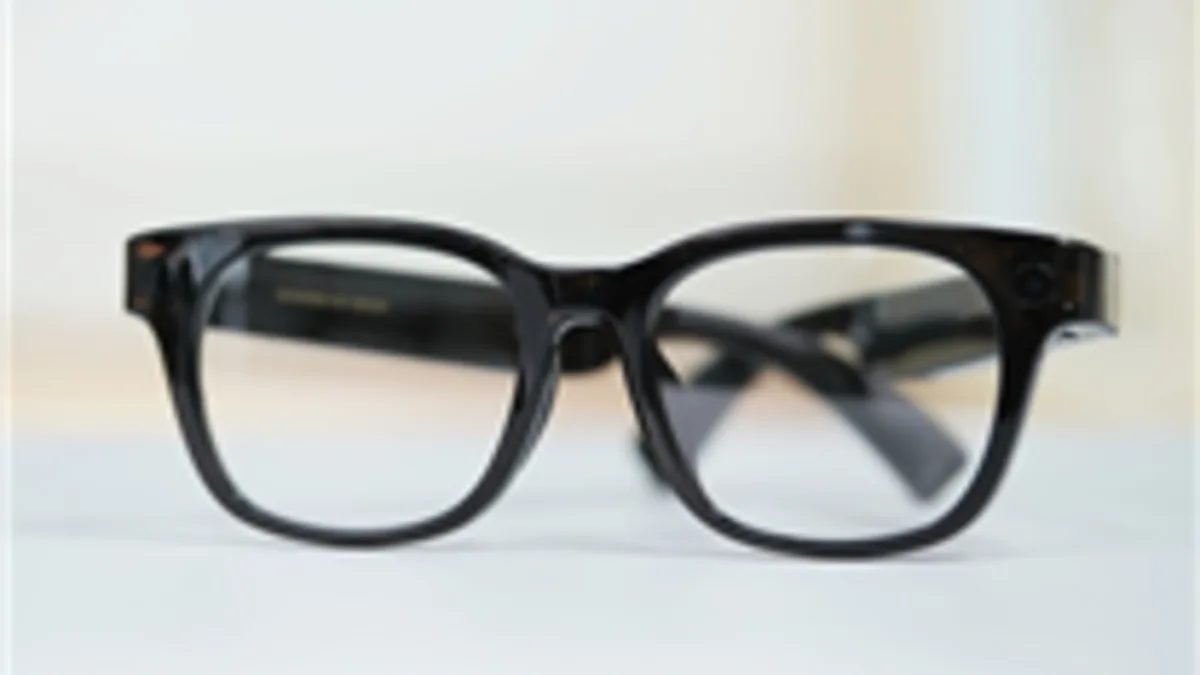
Rokid's AIOS announcement is important because smart glasses need more than a camera, display, and voice assistant. They need an operating model that makes quick, contextual tasks feel natural. Without that layer, wearable AI becomes a collection of demos: translation here, photo capture there, a voice answer somewhere else, but no consistent way to manage attention.
Glasses are different from phones because the interface lives close to the user's senses. That makes latency, privacy signals, notifications, voice interruption, and visual clutter much more sensitive. A wearable operating system has to decide what should appear, what should stay silent, and when the device should step back entirely.
The AIOS framing suggests Rokid wants to treat smart glasses as a platform, not an accessory. That could help developers build experiences that understand the constraints of eyewear instead of shrinking phone apps onto a tiny display. It also raises the bar for safety and permission design.
雷科技 reported Rokid's smart-glasses AIOS announcement in Chinese, describing it as a major move for the AI glasses industry. The report shows how Chinese wearable companies are trying to define the software layer before global standards settle.
The privacy issue is unavoidable. We have covered how AI glasses need clearer camera and consent rules, and a dedicated operating system should make those rules visible rather than leaving them to app developers.
Rokid's challenge is to make AIOS feel useful without making glasses feel busy. The best wearable AI will probably be quiet, fast, and selective. It should help with translation, navigation, reminders, capture, and context only when the user actually benefits. If Rokid can get that balance right, smart glasses may start to feel like their own computing category instead of a phone accessory searching for a purpose.
Developers will need new rules for attention. A phone app can occupy a screen for minutes. A glasses app may have only seconds before it becomes annoying or unsafe. AIOS will need design patterns for glanceable answers, quick capture, and graceful silence.
Battery and heat are equally important. Smart glasses sit on the face, so comfort problems are immediate. AI features that require constant processing can make the device heavier, warmer, or shorter-lived. The operating system has to manage those limits aggressively.
Rokid's move is promising because it treats wearable AI as a system problem. The hardware, assistant, privacy indicators, developer tools, and user controls all have to work together. If any piece feels unfinished, people will go back to phones, where the interface is less futuristic but far more forgiving.
The social signal may decide adoption as much as the software. People nearby need to know when glasses are recording, translating, or analyzing the scene. If AIOS builds those cues into the system level, Rokid can avoid some of the trust problems that have hurt earlier camera wearables.
Partnerships may decide how fast AIOS becomes useful. Maps, translation tools, messaging apps, workplace systems, and travel services all need wearable-friendly hooks. A platform with no strong app layer risks becoming a polished demo environment rather than something people rely on outside controlled presentations.