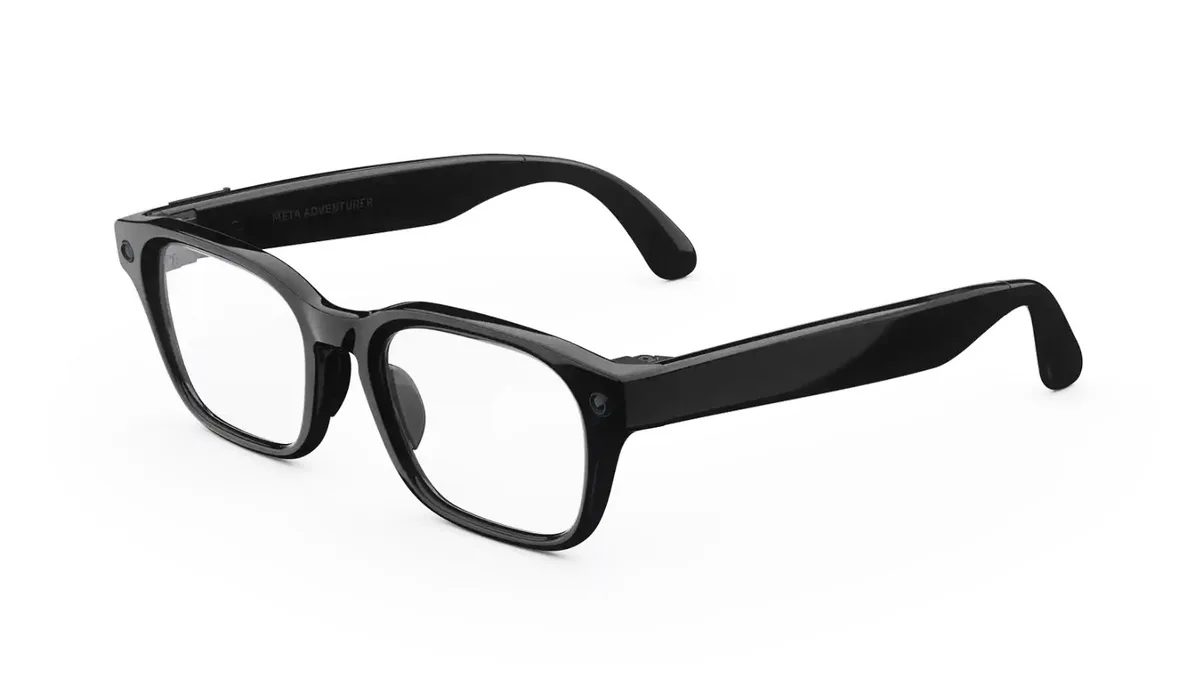
AI glasses are reaching the point where privacy rules can no longer trail behind product launches. The category is moving beyond simple audio prompts and notifications. New glasses can see, listen, translate, record, identify objects, and connect what they capture to cloud AI services. That makes them useful, but it also changes how people feel around someone wearing a computer on their face.
China's new AI glasses self-regulatory covenant is therefore a sign of market maturity. The industry is trying to define trusted behavior before public backlash defines it for them. That includes questions about visible recording indicators, data retention, consent, voice capture, children's privacy, workplace use, and whether AI systems can analyze bystanders who never opted in.
This is not a theoretical concern. Schools, testing centers, offices, gyms, and public venues already have to think about camera-equipped wearables. We covered the same social tension in our article on AI glasses becoming a real security problem in exams. Once a device looks like normal eyewear, enforcement becomes harder.
MyDrivers reported that the China Academy of Information and Communications Technology's terminal lab and the Shenzhen AI Glasses Industry Alliance helped draft the AI glasses trusted-vision self-regulatory covenant. The report says the covenant was released around the 2026 AI glasses ecosystem conference.
The phrase trusted vision is important. It suggests the industry knows that camera quality and AI recognition are not enough. Users and bystanders need predictable signals about when a device is observing, what is being processed, and how data is protected. A pair of glasses that feels secretive may face restrictions no matter how clever its assistant is.
Manufacturers should treat this as product design guidance, not only compliance paperwork. A physical recording light, clear privacy settings, local processing where possible, and simple deletion controls can make the device easier to accept. Enterprise versions need even stronger controls because workplaces include confidential conversations, customer data, and regulated environments.
The AI glasses market still has room to grow, but the privacy conversation is now part of the product. Companies that ignore it may win early attention and lose long-term trust. Companies that make the rules visible and understandable could make wearable AI feel less invasive. The covenant is not the final answer, but it is a useful admission that smart glasses need social permission as much as technical polish.
Retailers and app developers will need rules too. Glasses are not only hardware; they are platforms for recording, search, translation, and assistant services. If third-party apps can access camera or microphone streams loosely, the privacy problem grows beyond the original manufacturer. A credible smart-glasses ecosystem should make permissions obvious, revocable, and narrow by default. Users should never need to study a privacy policy to know whether a pair of glasses is recording the room.
The companies that solve this well may earn a real advantage. People will be more willing to accept AI glasses in daily life if the devices signal respect before they signal intelligence.
That confidence will decide whether smart glasses feel normal or intrusive.