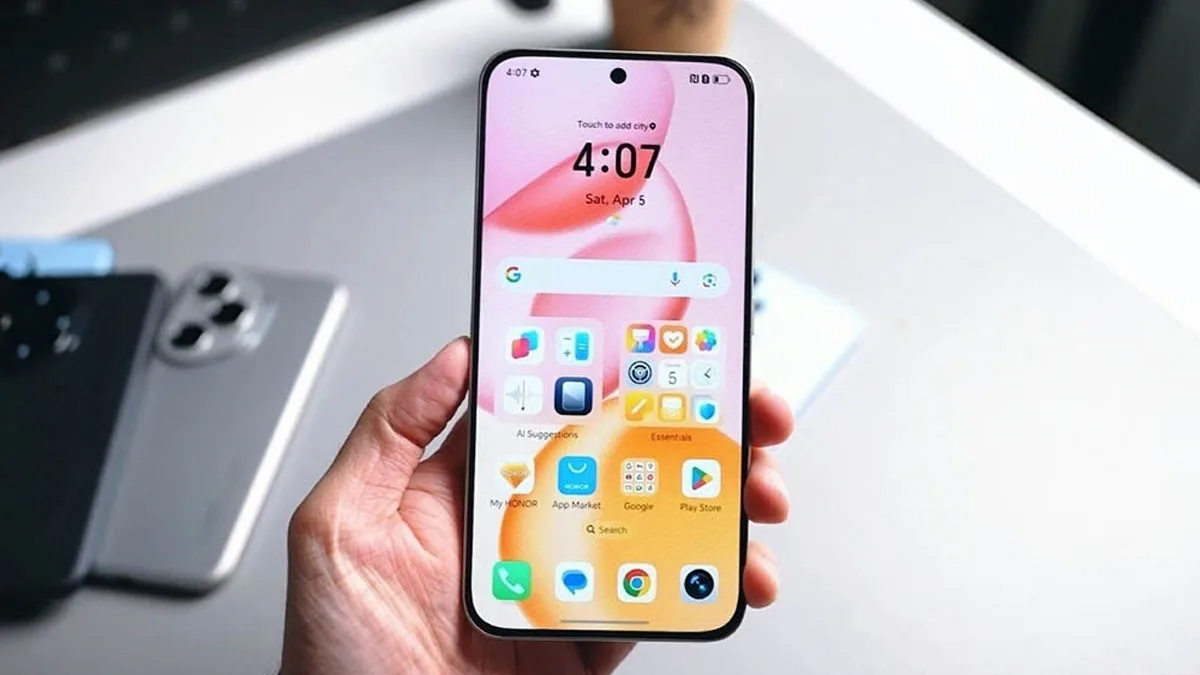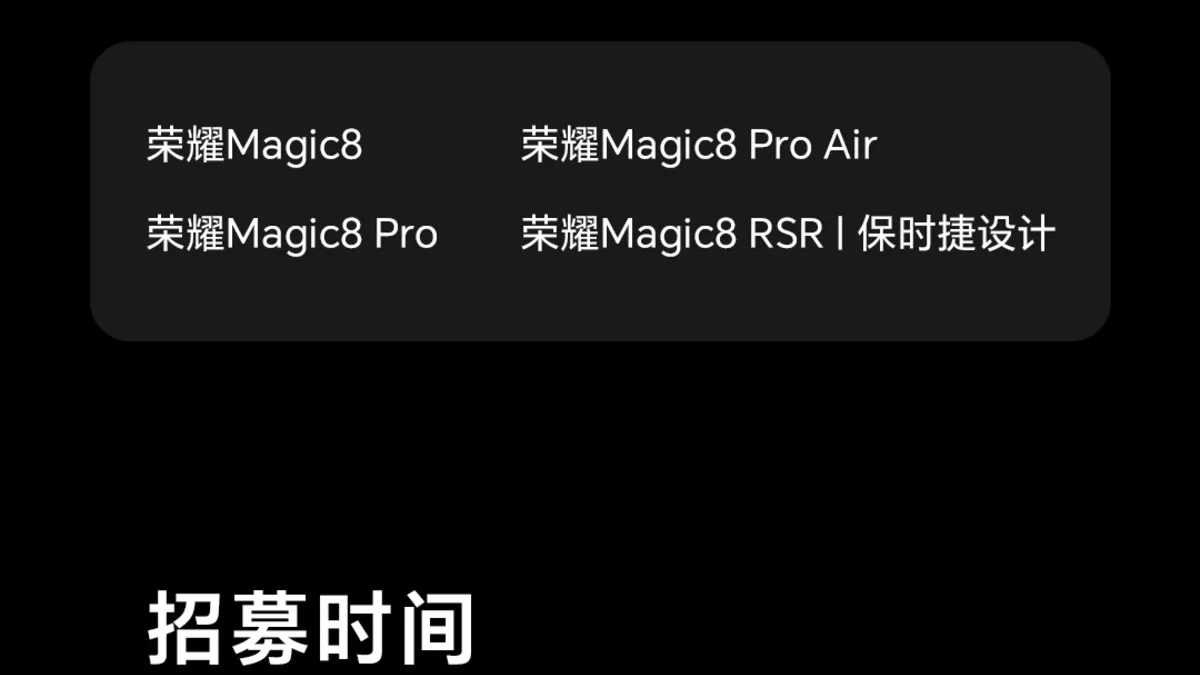
Honor's MagicOS 11 liquid-glass test plan is a reminder that phone leaks are no longer only about chips and camera modules. Software design now has its own leak cycle. Animation style, translucency, control center layout, lock-screen behavior, and system-wide visual language can shape how new hardware feels long before a phone is officially announced.
The reported test plan suggests Honor is treating the next MagicOS look as something worth staging carefully. That makes sense. Chinese Android brands have spent years competing on hardware, but software identity has become just as important. A phone with a fast chip can still feel ordinary if the interface lacks polish. A familiar device can feel new if the software becomes smoother, clearer, and more visually coherent.
The phrase liquid glass also carries pressure because users will immediately compare it with broader industry design trends. Transparent surfaces and fluid animations can look premium, but they can also become distracting if contrast, readability, or performance suffers. The best interface updates make the phone feel lighter without making basic controls harder to find.
The test-plan details were reported by IT之家, and they fit a wider Chinese software race we also tracked in our HarmonyOS beta ecosystem coverage. Phone platforms are competing for visual confidence and ecosystem stickiness, not just app icons.
Design Leaks Matter Because They Change Daily Use
A software redesign touches a user hundreds of times per day. Unlocking, swiping notifications, switching apps, adjusting brightness, answering calls, and checking widgets are small actions, but together they define whether a phone feels modern. That is why Honor's early testing matters more than a theme preview might suggest.
The risk is performance. Heavy blur, transparency, and layered animations can expose weak optimization quickly. If the interface looks beautiful on a flagship but stutters on older models, users will blame the update. Honor has to make the design language scale across devices if MagicOS 11 is meant to strengthen the brand rather than only decorate new phones.
There is also a readability issue. A glass-like interface must work in sunlight, low brightness, dark mode, and accessibility settings. Visual depth should help users understand hierarchy, not reduce text contrast. Professional software design is not only about screenshots; it is about how comfortably people move through the system.
Honor's liquid-glass testing shows how the smartphone conversation has broadened. Hardware leaks still get attention, but software feel is becoming a headline feature. If MagicOS 11 delivers polish without sacrificing clarity, Honor can make even familiar devices feel meaningfully refreshed.
The beta process will reveal whether Honor understands that balance. Early testers can spot animation delay, crowded panels, unclear icons, and battery drain faster than a launch demo can. If Honor listens before the wider rollout, MagicOS 11 can become a trust-building update. If it treats visual style as the whole story, the liquid-glass idea could quickly turn from premium to tiring.
It will also be a test of Honor's ecosystem story. Phones, tablets, laptops, and wearables need a common design rhythm if the company wants users to stay inside its products. A polished MagicOS 11 could make that ecosystem feel intentional instead of assembled from separate screens.