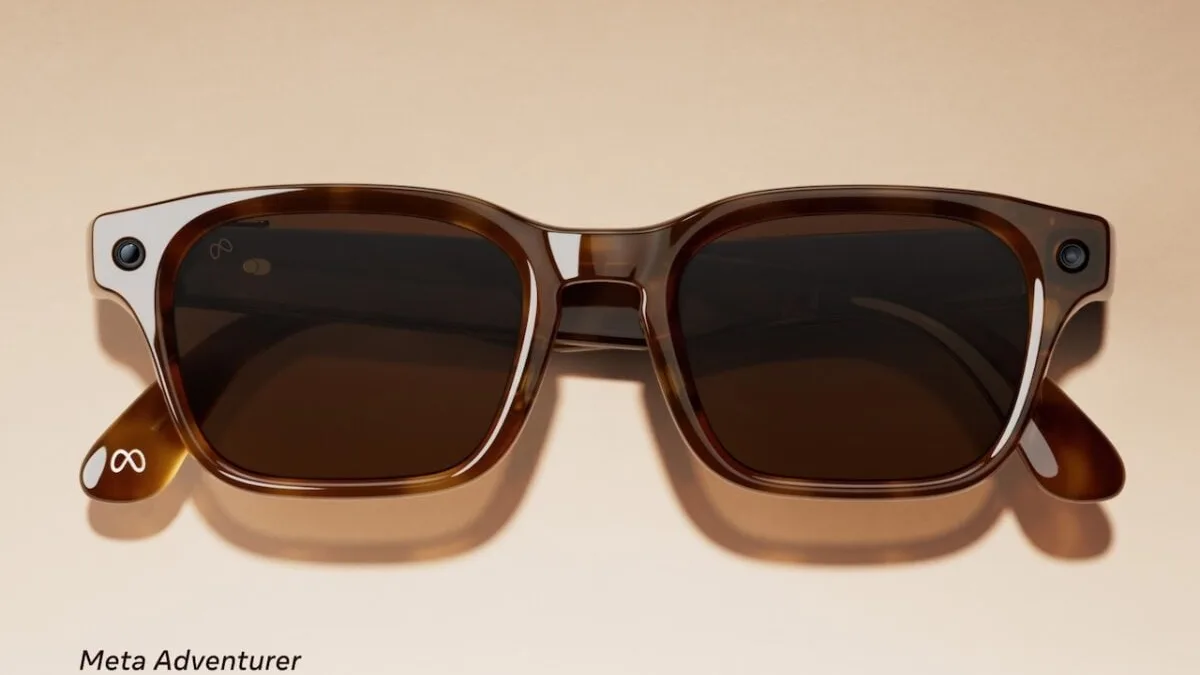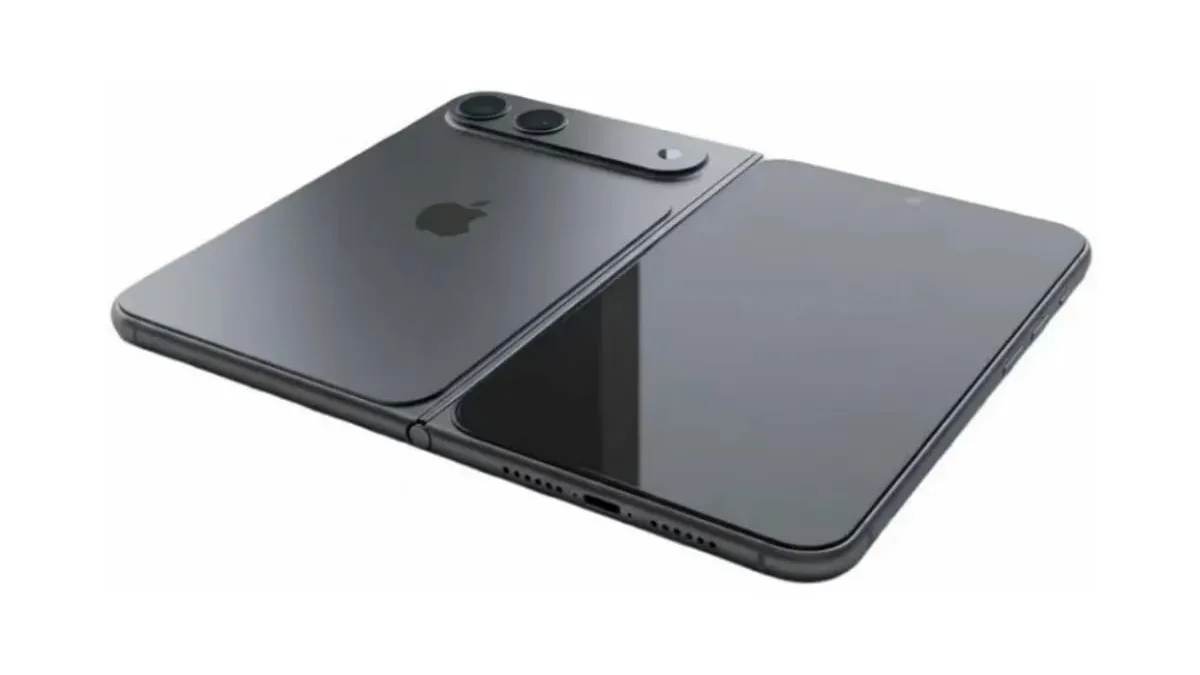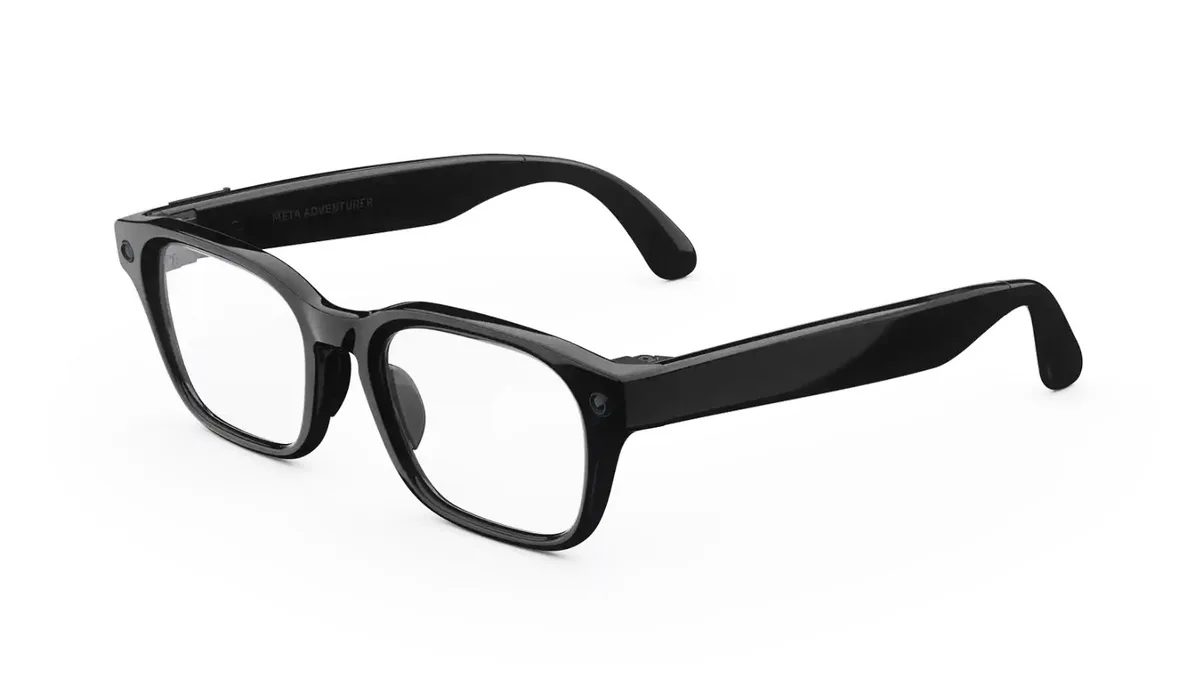
Meta's own-brand smart glasses make Apple's wearable timing more difficult because the product category is becoming real at a lower price than many people expected. A $299 frame with connected features may not be the final form of ambient computing, but it gives consumers a tangible reference point. That is exactly what Apple will have to answer if its own glasses plans keep moving slowly.
Apple tends to wait until a category is mature enough for a polished entry. That patience can work brilliantly, but it becomes harder when rivals start shaping user expectations first. Meta is not only selling hardware; it is teaching people what smart glasses are for, how much they should cost, and which daily habits make sense through eyewear instead of a phone.
The important part is not whether Meta's glasses replace a smartphone. They do not need to. They can succeed as a capture device, audio companion, quick assistant, and notification layer. If users become comfortable with that limited but practical role, Apple may need to launch into a market with defined habits rather than an empty runway.
The new glasses were covered by MacRumors, and the story echoes the same wearable-computing concerns we explored when AI glasses began creating security problems in controlled spaces. The product may be consumer-friendly, but its camera and assistant features still carry social consequences.
A Lower Price Changes the Competitive Math
Price is the most disruptive part of Meta's move. Apple can charge a premium when it offers noticeably better design, privacy, integration, and support. But if buyers begin thinking of smart glasses as a few-hundred-dollar accessory, a much more expensive Apple version will need a clear reason to exist. The gap cannot be justified by polish alone.
That does not mean Apple is boxed out. The company has strengths Meta cannot copy easily: deep iPhone integration, custom silicon, retail support, accessibility features, and a reputation for making complex technology feel controlled. Apple could also emphasize privacy indicators and on-device processing more aggressively than rivals.
Still, time matters. Wearables become sticky when they settle into routines. If Meta users build habits around hands-free photos, voice commands, translation, calls, and audio, switching later may require Apple to be meaningfully better. The longer those habits develop, the more Apple has to overcome.
Meta's $299 glasses do not prove the smart glasses market is solved. They prove the category has reached a practical consumer phase. For Apple, that is both helpful and uncomfortable: helpful because Meta is educating the market, uncomfortable because it is doing so on its own terms.
The social side may be the hardest part for Apple to judge. People need to feel comfortable wearing smart glasses around friends, coworkers, and strangers. Meta is gathering that feedback now, in public, at a price that encourages experimentation. Apple can learn from those reactions, but it also risks arriving after the basic manners of the category have already been written by someone else.
That makes the next year important. If users start treating glasses as a normal capture and assistant tool, Apple will have to compete with habits, not only hardware. A later product can still win, but it must feel more considerate, more private, and more useful from the first fitting.