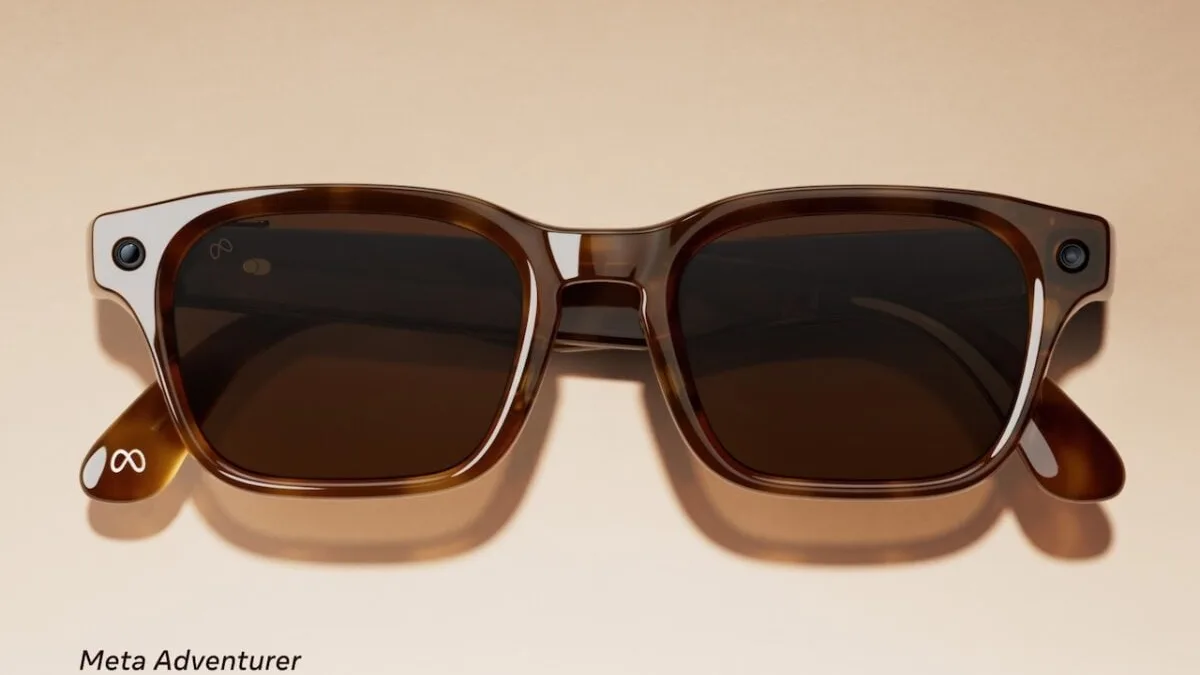
Meta's latest smart glasses launch changes the temperature around Samsung Galaxy Glasses before Samsung has even brought its own wearable to market. The category is no longer a vague future concept. It is becoming a retail fight over frames, cameras, speakers, AI assistants, comfort, battery life, and whether people actually want connected eyewear on their faces all day.
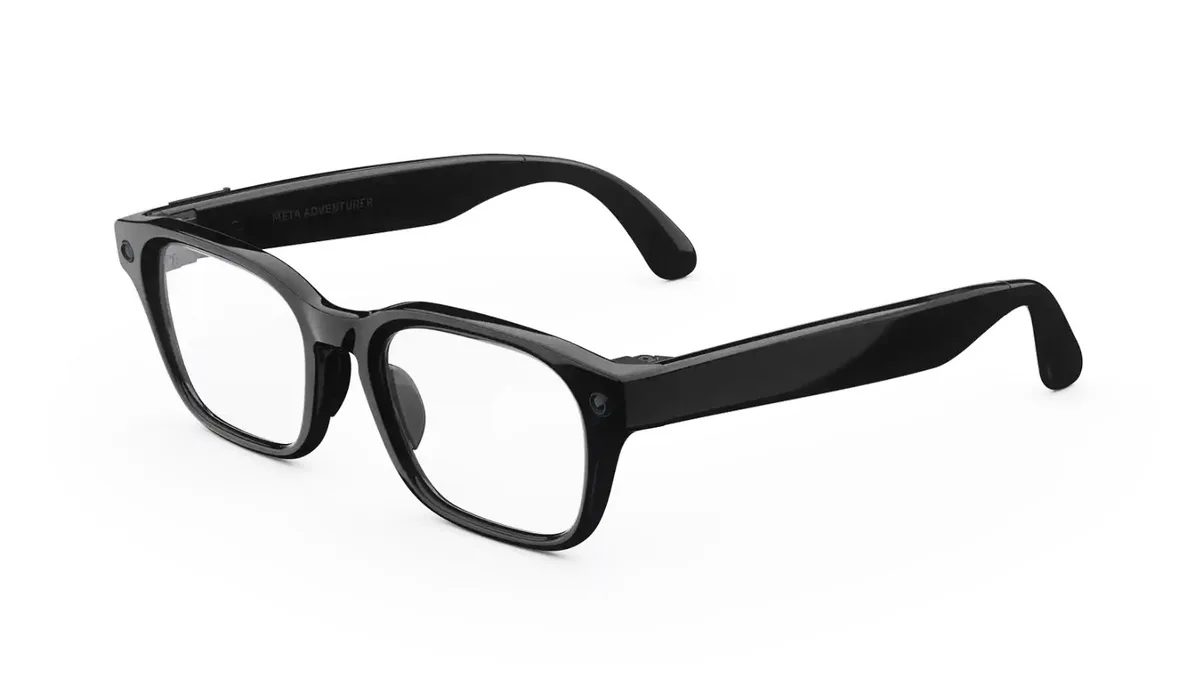
That matters for Samsung because entering late can be useful only if the product feels better prepared. Meta has spent multiple generations learning how to hide electronics in a frame that still looks wearable. Samsung will arrive with the advantage of Galaxy ecosystem reach, but it will also face buyers who have already seen what a mainstream smart glasses product can cost and do.
The strongest pressure is not only technical. Smart glasses are intensely personal. They must fit faces, match clothing, survive daily handling, and avoid making the wearer feel like a walking prototype. A phone can be hidden in a pocket. Glasses are always visible. Samsung needs design confidence as much as software ambition.
The competitive timing was highlighted by SamMobile, and it lines up with the broader wearable privacy debate we saw in our AI glasses exam ban coverage. Connected eyewear is useful, but it also changes how schools, offices, and public spaces think about cameras.
Samsung Needs a Clear Reason to Exist
For Galaxy Glasses to stand out, Samsung needs more than a camera and an assistant. The product should feel naturally tied to Galaxy phones, earbuds, watches, and tablets. Quick photo transfer, live translation, calls, navigation cues, hands-free capture, and notification triage could all matter if they are reliable. If the glasses simply duplicate phone functions awkwardly, buyers will notice.
Battery life will be another defining factor. Smart glasses cannot be too heavy, but they also cannot die halfway through a normal day. That tension makes every feature choice important. A brighter display, better speakers, or more capable AI can quickly turn into thicker arms and shorter use time.
Privacy signals may be just as important as specs. People nearby need to understand when recording is happening. Users need simple controls. Samsung has enough experience with phones and cameras to know that trust is part of the product, not a settings menu afterthought.
Meta's move gives Samsung a visible benchmark. It also removes some mystery from the category. Galaxy Glasses do not need to invent the market, but they need to explain why a Galaxy user should wait for Samsung instead of buying into Meta's head start. That answer will decide whether Samsung enters smart glasses as a serious platform player or just another company testing a fashionable form factor.
Samsung also has to think about retail education. Smart glasses are not self-explanatory in the way a phone is. People will want to try fit, sound leakage, camera controls, and assistant behavior before buying. If Galaxy Glasses arrive through Samsung stores, carrier partners, and phone bundles, the launch experience must make the product feel useful in minutes rather than asking buyers to imagine a future platform.