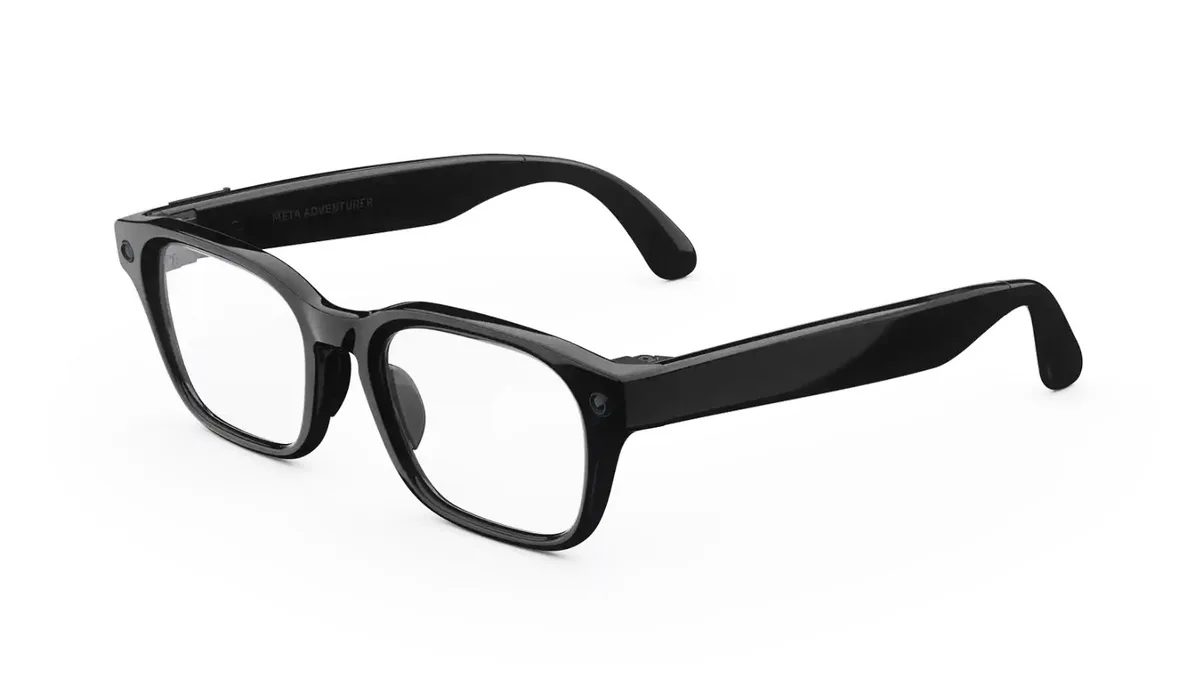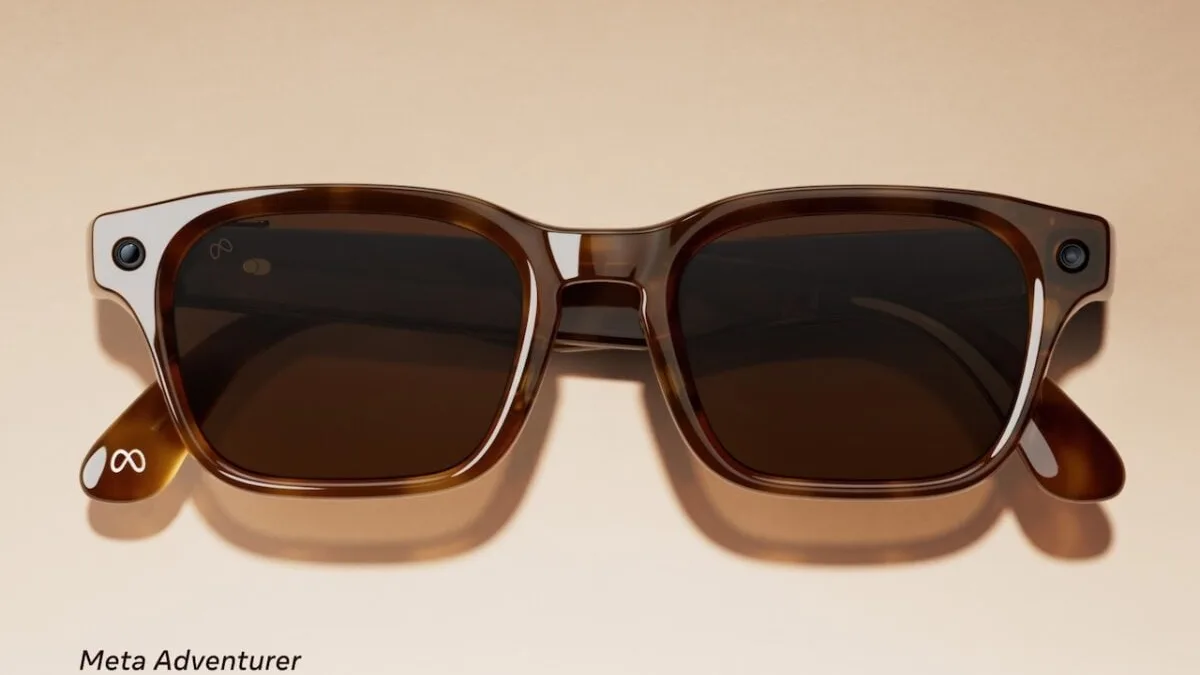
Meta's $299 smart glasses look more important when viewed through a Chinese-language tech lens because they show how quickly AI wearables are being pushed toward normal accessory pricing. A few years ago, connected glasses were usually framed as futuristic, expensive, or awkward. A lower-cost model changes that framing. It makes the category feel closer to headphones than to a headset.
That shift matters for smartphone users. Smart glasses do not replace a phone, but they can pull specific habits away from it: quick photos, voice notes, calls, translation, directions, and assistant prompts. If those tasks become easier on the face than in the hand, the phone becomes more of a hub and less of the only interface.
Price is the lever that makes this possible. At $299, a pair of smart glasses is still not cheap, but it enters the zone where many buyers compare it with earbuds, a smartwatch, or a mid-range phone upgrade. That is a very different conversation from asking people to buy a niche experimental device.
The launch was reported by cnBeta, and it reinforces the same wearable-security debate raised by our AI glasses privacy coverage. Cheaper smart glasses can grow faster, but faster adoption also means more places must decide how to handle always-available cameras.
Cheaper Does Not Mean Simpler
A lower price can hide a complicated product. Smart glasses need small batteries, efficient microphones, acceptable speakers, camera modules, wireless radios, physical controls, and frames people will actually wear. Every component competes with comfort. If the glasses feel heavy, hot, or socially awkward, the price will not save them.
The AI side also needs discipline. Users do not need a wearable that interrupts constantly or misunderstands context. They need quick, reliable help in moments when reaching for a phone is inconvenient. A good assistant on glasses should be quiet by default and useful on demand.
For Chinese phone makers, Meta's move is a signal. Brands like Xiaomi, Huawei, Honor, Oppo, and vivo already understand accessories as ecosystem tools. If AI eyewear becomes a serious category at this price, phone brands may treat glasses as a natural extension of mobile computing rather than a separate gadget.
Meta has not solved every question around smart glasses. Battery life, privacy, social acceptance, and software usefulness still decide the category. But the $299 positioning makes the device feel less theoretical. It tells the rest of the industry that AI wearables are moving from expensive demonstrations toward products people might actually compare, buy, and carry.
Chinese coverage also matters because local brands are unusually quick at turning a new hardware idea into competing models. If Meta proves demand at this price, rivals can respond with frames tuned for local apps, payment systems, translation habits, and phone ecosystems. The next fight may not be about one global winner. It may be about which glasses feel most natural inside each mobile ecosystem.
That local adaptation could be decisive. Glasses that understand a market's messaging apps, maps, audio platforms, and privacy expectations will feel more useful than a generic global device. Meta has created a price signal, but regional phone ecosystems may decide how broad the smart-glasses habit becomes.