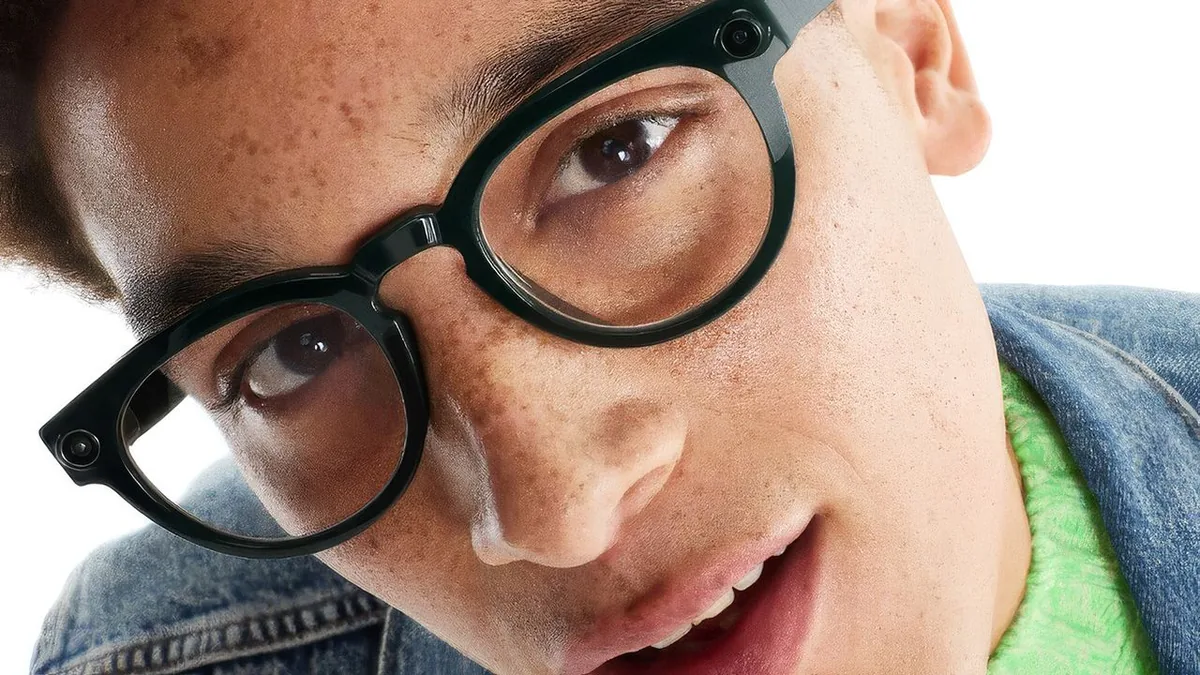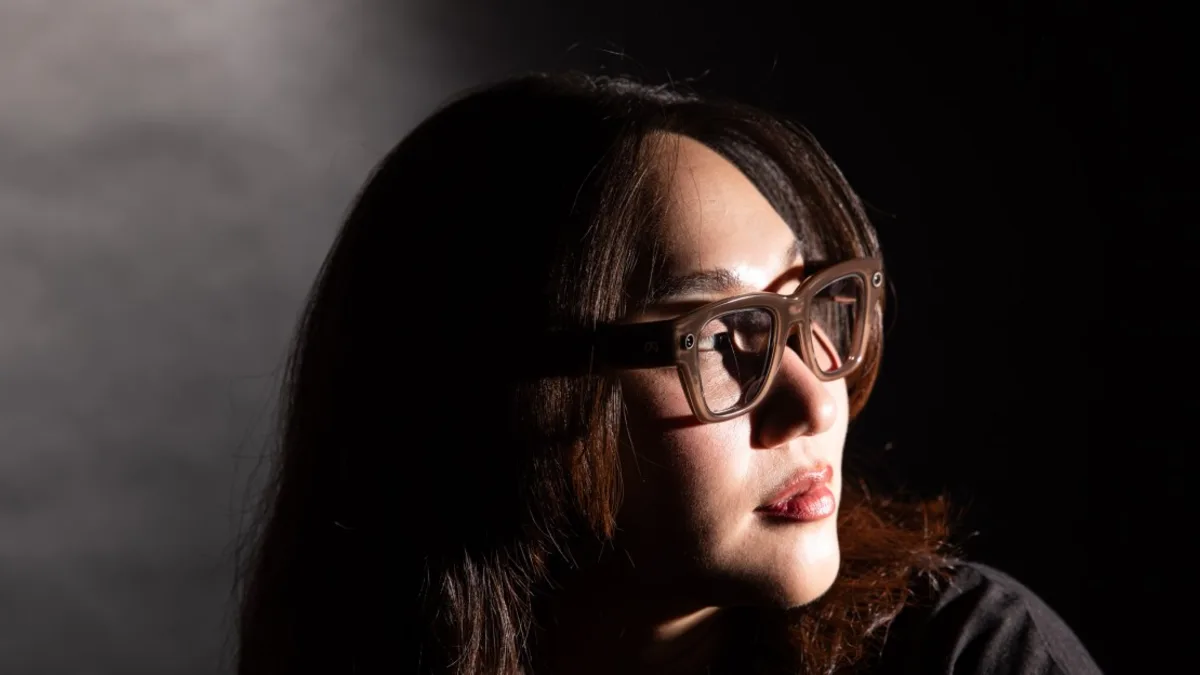
The smart glasses privacy debate is becoming harder to avoid because AI wearables are no longer strange prototypes. They are cameras, microphones, speakers, assistants, and social devices sitting on a person's face. That makes the boundary between helpful context and unwanted recording much more visible in public life.
Smart glasses can be genuinely useful. They can translate signs, capture first-person video, answer quick questions, help with navigation, and support hands-free work. The problem is that their usefulness often depends on sensing the same environment that other people are sharing without opting in.
That is why the discussion belongs next to our coverage of AI wearable value and trust. A feature can be clever and still fail if bystanders, workplaces, schools, or venues do not understand what the device is doing.
The Verge raised the privacy issue in the context of AI wearables, which is the right frame. The device category is not only about hardware design; it is about social permission, visible indicators, recording rules, and whether users can be trusted to behave responsibly.
The technical challenge is that AI wants always-available input. A camera that can see what you see and a microphone that can hear what you hear make the assistant more useful, but they also create a stronger need for local processing, clear deletion controls, and honest status signals.
For companies like Meta, Google, Apple, Samsung, and smaller wearable makers, privacy cannot be hidden in settings. It has to be designed into the product through lights, sounds, physical controls, capture limits, and simple explanations that non-users can understand.
Businesses will face the issue quickly. Offices, factories, hospitals, schools, and gyms may need policies on where smart glasses can be worn, what can be recorded, and how sensitive information is protected.
There is also a design opportunity. The first company that makes privacy feel obvious instead of defensive may gain trust faster than the one with the most aggressive AI feature list.
The next signals to watch are venue bans, workplace policies, regulator questions, and whether new glasses include stronger hardware-level recording indicators. Those details will show whether the market is learning from earlier camera-wearable backlash.
Social norms will evolve unevenly. A tourist recording a landmark, a mechanic using guided repair, and a student wearing camera glasses in a classroom are not the same situation. Companies should expect different rules in different places rather than assuming one privacy setting can satisfy every environment.
The product opportunity is to make bystander respect part of the brand. A visible capture light, quick mute switch, and local-first AI mode may sound less exciting than real-time scene understanding, but those choices could make people more willing to accept smart glasses in restaurants, offices, and public transit.
Battery limits may accidentally help privacy at first. Glasses cannot record and analyze everything forever if power and heat remain constrained. As chips improve, however, companies will need explicit boundaries rather than relying on hardware limits to keep behavior socially acceptable.
AI glasses could still become normal. To get there, they need boundaries that are visible to people standing nearby, not only permissions accepted by the person wearing them.