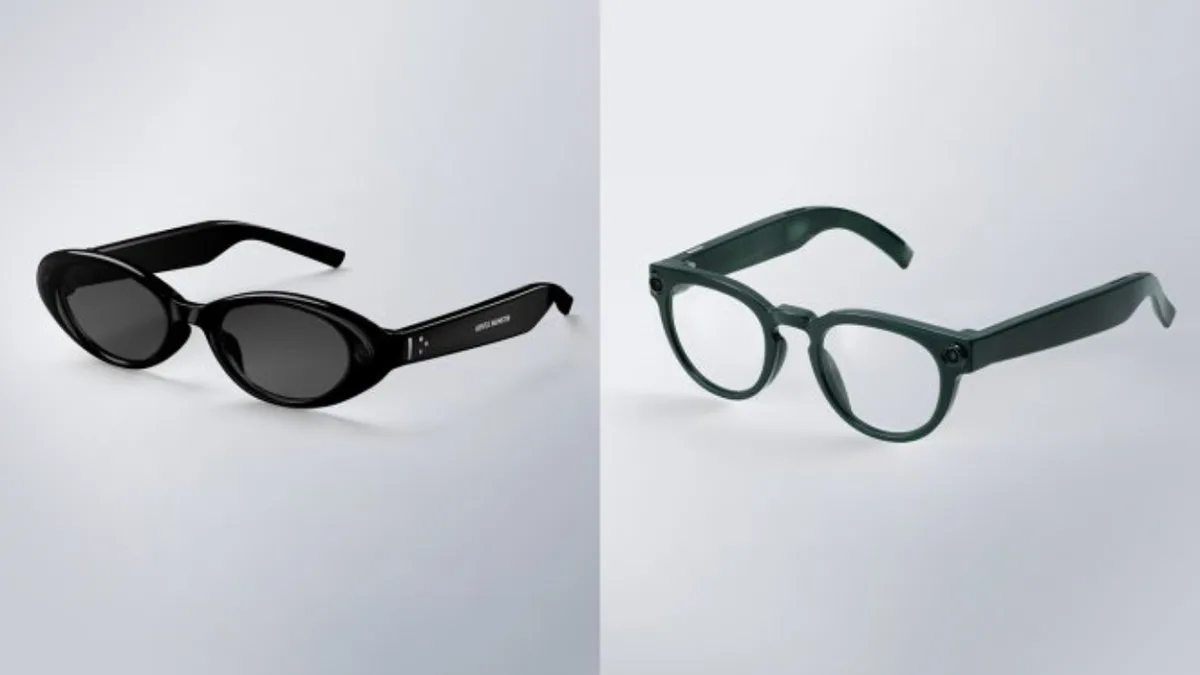
Samsung's smart-glasses plan feels more concrete after a leaked video described how the wearable may actually work. The report points to an interface built around buttons, gestures, camera controls, and phone-style companion features.
That kind of leak matters because smart glasses are easy to hype and hard to explain. Buyers do not just need another AI screen; they need to know what they can do without looking strange or draining the battery.
This also connects with our earlier look at Galaxy Glasses companion app leak, because the same product cycle is now being shaped by design evidence, supplier pressure, and the way buyers read early hardware clues.
The leaked walkthrough reported by t3 gives the story a practical hook by focusing on interaction instead of only design.
The main signal is that Samsung may be treating glasses as a controlled input device, not merely a camera strapped to a frame.
Gestures can reduce the need to touch the frame, while physical controls can stop the device from becoming too dependent on voice. That balance will matter in public spaces.
For users, the appeal would be quick capture, translation, navigation, reminders, and AI assistance without pulling out a phone. Those jobs sound small, but small jobs are exactly where wearables survive.
The leak lands as AI companies are trying to move assistants away from chat boxes. A face-worn device gives Samsung a place to put AI into daily movement rather than a separate app.
The privacy risk is obvious. Any wearable with cameras has to signal recording clearly, handle bystander concerns, and avoid turning convenience into discomfort.
Meta, Apple, Google, and smaller hardware startups all want the same lane. Samsung's advantage is that it can connect glasses to phones, watches, rings, and earbuds from day one.
The key details to watch are battery life, camera behavior, prescription support, and whether the AI features work locally or depend heavily on cloud processing.
This leak does not prove Samsung has solved smart glasses, but it does make the product easier to picture as a real Galaxy accessory.
A grounded reading of Leaked Galaxy Glasses Video Makes Samsung's AI Wearable Easier to Imagine sits between hype and dismissal. The details are specific enough to track, but they still need confirmation from launch material, filings, retail pages, or multiple unrelated leaks before buyers should treat them as final.
The business angle is also different from the fan conversation. t3 is describing one public clue, while the companies involved have to think about component costs, regional demand, software readiness, and how quickly rivals can copy the same idea.
Execution will decide whether this becomes a real advantage. Gestures can reduce the need to touch the frame, while physical controls can stop the device from becoming too dependent on voice. That balance will matter in public spaces. That is why the final product or platform will be judged by how naturally the feature works, not only by how strong it sounds in an early report.
The practical takeaway from t3 is to watch for repetition from independent sources. If the same direction keeps appearing in certifications, supplier notes, app code, retail listings, or hands-on leaks, Leaked Galaxy Glasses Video Makes Samsung's AI Wearable Easier to Imagine will move from rumor watch to launch expectation.
For Patriotic Tech readers looking at t3, the value is not simply being early. The value is knowing whether Leaked Galaxy Glasses Video Makes Samsung's AI Wearable Easier to Imagine can change upgrade timing, platform trust, developer planning, or the competitive story around Galaxy Glasses.