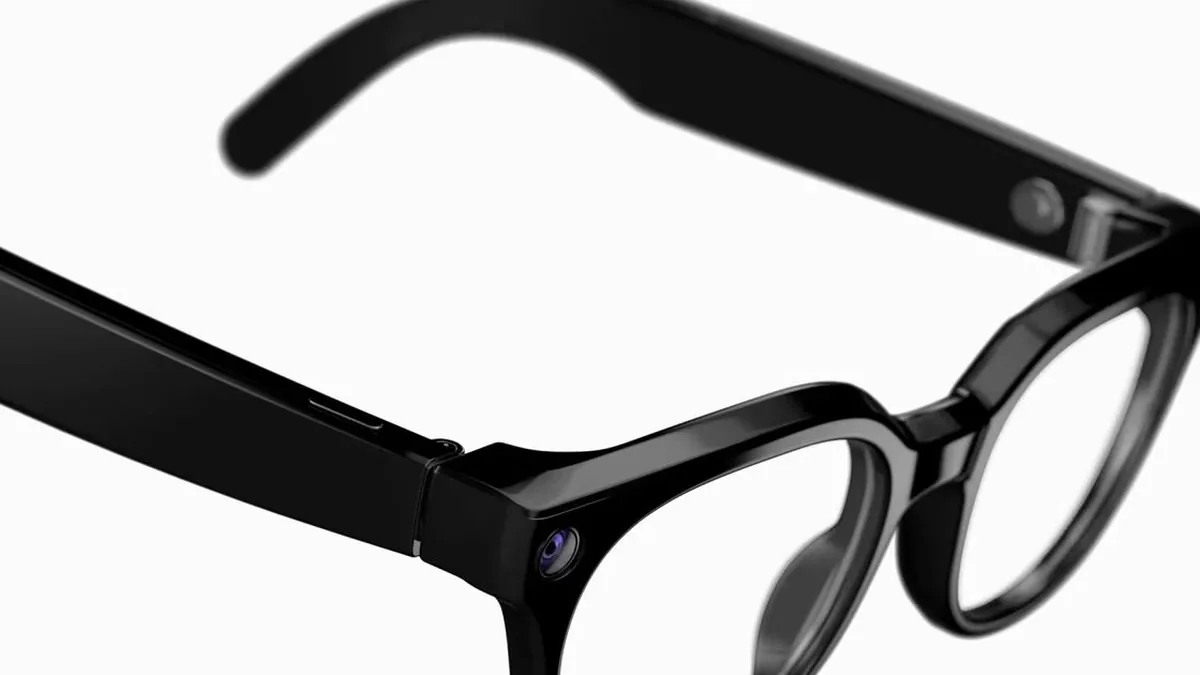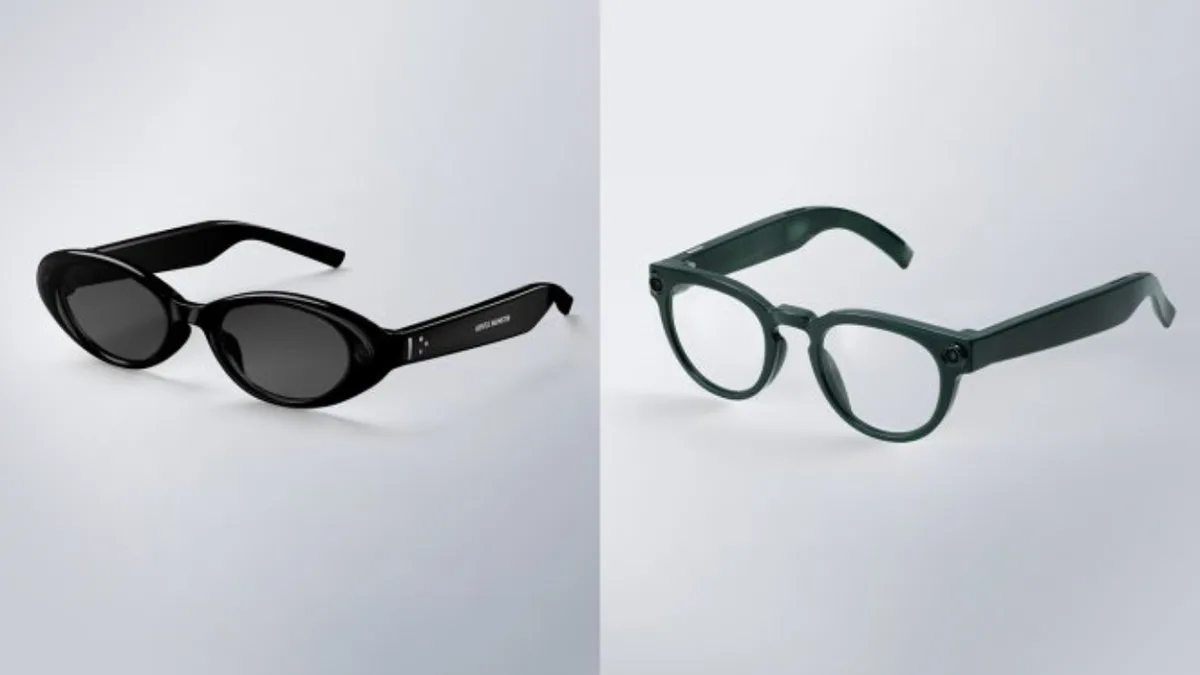
Samsung's Galaxy Glasses rumor is starting to move from vague wearable talk into interface detail. A companion app leak points to gesture controls, phone pairing, notification handling, and One UI XR features that could make the glasses feel like a real Galaxy device rather than a side accessory.
The important part is the control model. Face-worn gadgets fail when they depend too heavily on the phone or require users to memorize awkward gestures. If Samsung is already building a dedicated app layer, it may be trying to make setup, permissions, camera behavior, and AI features understandable from day one.
The thread also links naturally to our earlier look at the Galaxy Glasses leak. For this post, Galaxy Glasses Companion App Leak Points To Samsungs AI Wearable Plan makes that connection specific to Techgenyz: the rumor or report is only useful when it is read beside product timing, component pressure, and the user trust problem around Galaxy Glasses.
The current report from Techgenyz describes companion app clues and gesture-control references that make Samsung's wearable plan easier to picture ahead of launch. That source detail gives the article a concrete starting point, but the bigger value is in reading what the report says about the product category around it.
Wearables are becoming the next place where AI assistants can feel immediate. A phone assistant waits for a prompt; glasses can see, hear, and respond in the moment. That makes privacy controls, LED indicators, and clear app permissions just as important as camera resolution.
What makes this worth separating from a normal news brief is the way it changes near-term expectations. Galaxy Glasses Companion App Leak Points To Samsungs AI Wearable Plan is really about timing, confidence, and execution. A small leak can be forgettable, but a leak that points to supply, policy, capacity, or launch positioning can shape how buyers and rivals prepare.
The leaked pieces suggest Samsung wants the glasses to connect with One UI rather than operate as a separate platform. That would let the company reuse accounts, notifications, health context, Gemini-style assistant features, and device switching across phones, watches, rings, and earbuds.
Meta has shown that normal-looking camera glasses can find real buyers, while Apple and Google keep circling spatial and wearable computing. Samsung cannot wait for the category to settle if it wants Galaxy to remain the user's main AI ecosystem.
Another angle worth keeping in mind is audience behavior around Techgenyz. People following Galaxy Glasses Companion App Leak Points To Samsungs AI Wearable Plan are no longer waiting passively for official launch slides; they compare leaks, supplier moves, policy signals, and early pricing clues before deciding what to buy, build, or avoid.
The leak still leaves open the hardest questions: battery life, weight, camera quality, regional privacy rules, prescription options, and price. Those details will decide whether Galaxy Glasses are a practical companion or another interesting demo product.
Watch for certification filings, app screenshots, and Unpacked teasers. If Samsung can explain the glasses without burying users in permissions and awkward controls, it may have a more credible AI wearable story than many early attempts.
The practical reading is therefore cautious but not dismissive. For Techgenyz, the headline is the new development. For readers following Samsung, the more durable point is whether the companies involved can turn that development into something reliable, understandable, and worth paying attention to after the first leak cycle fades.