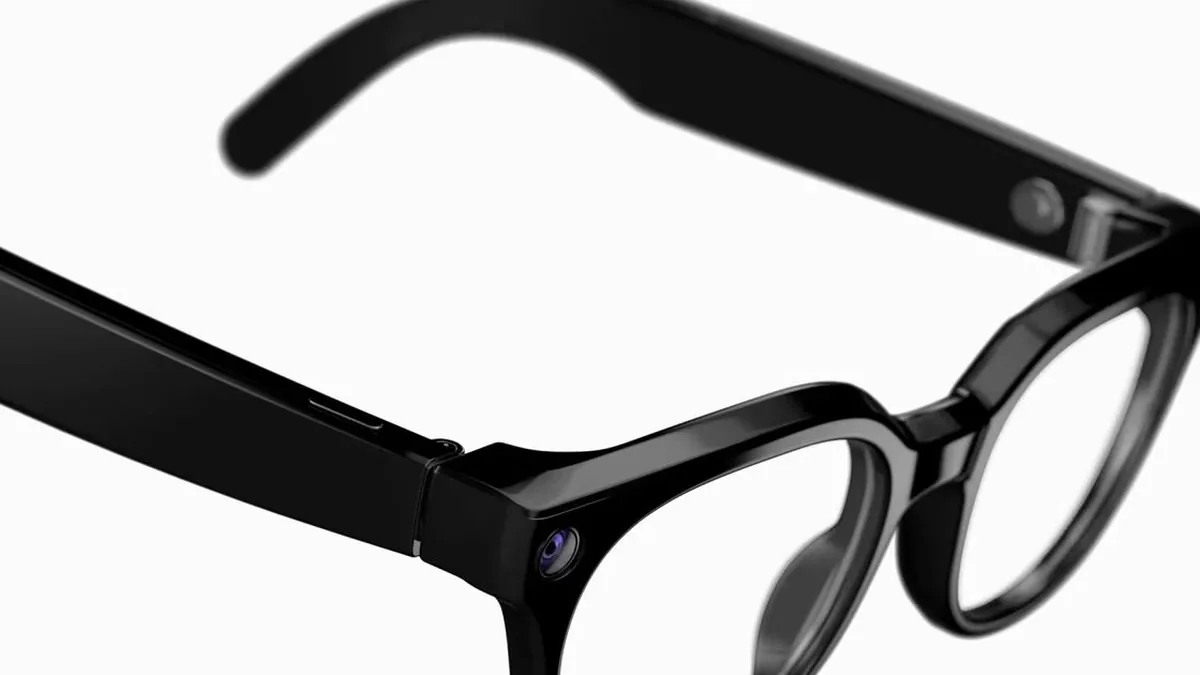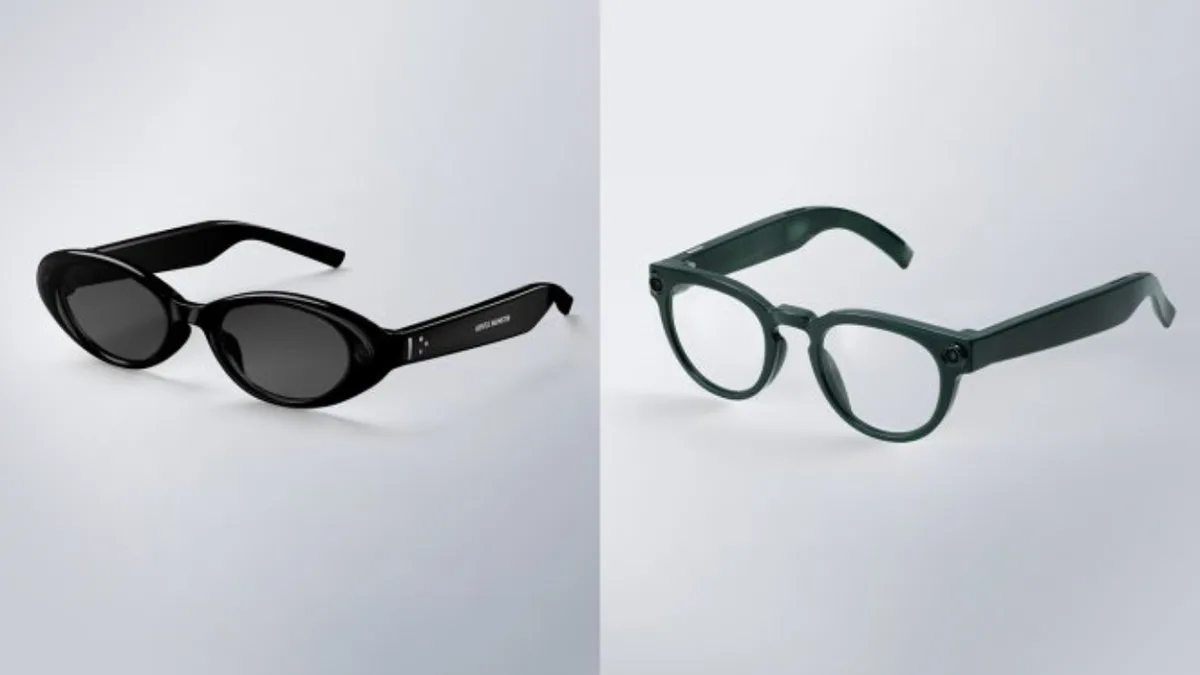
The Galaxy Glasses app leak is useful because apps often reveal product intent before hardware photos do. A settings screen, permission flow, or pairing label can show whether a device is meant to be a standalone gadget or part of a larger ecosystem. In this case, the most important clue is that Samsung's glasses appear to be tied to the same Galaxy wearable world as watches, rings, earbuds, and phones.
That approach is sensible. Smart glasses are hard to sell as isolated hardware because they depend on comfort, audio, camera behavior, phone connectivity, and fast controls. If Samsung can make the glasses feel like a natural extension of a Galaxy phone, the first version does not need to replace the phone. It only needs to remove small moments of friction, such as checking a notification, asking for translation, controlling media, or capturing a quick view.
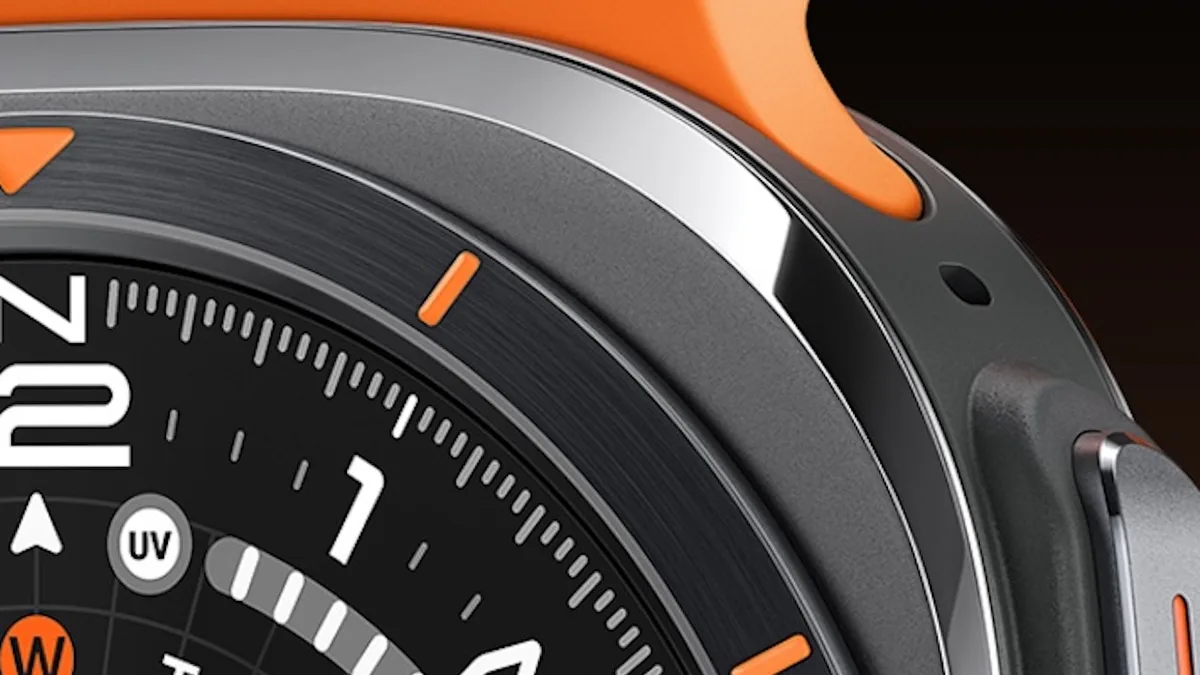
The app angle also suggests Samsung is thinking about health and context. A ring can track sleep and recovery. A watch can handle fitness, calls, and glanceable data. Glasses can provide direction, capture, and assistant access from the user's point of view. That is a stronger pitch than another screen. It is also why our earlier Galaxy Watch certification leak matters: Samsung's wearable calendar may be getting more crowded for a reason.
India Today reports that the official app leak points to Galaxy Glasses features including AI behavior and integration with Samsung's existing wearable products. The report still leaves room for change before launch, but it gives a clearer shape to Samsung's plan than a vague hardware rumor would.
Privacy will be central. Any glasses with cameras, microphones, or always-ready AI features need obvious controls and social signals. Samsung cannot rely on the phone's permission model alone because the device is worn on the face. People nearby need to understand when recording is happening, and owners need confidence that voice and visual data are not being handled carelessly.
Battery life may decide how ambitious Samsung can be. A light pair of glasses can only carry so much battery, and heavy frames are a quick way to lose mainstream users. That could push Samsung toward short interactions rather than continuous augmented reality. Quick translation, guided camera framing, call support, and AI summaries are more realistic early goals than a full floating interface.
The Galaxy Ring connection is especially interesting because it could let Samsung combine passive health context with active AI assistance. A phone can know location and apps. A watch can know activity. Glasses can know what the user is looking toward. Bringing those signals together could be powerful, but Samsung must make the result feel helpful rather than invasive.
The leak makes Galaxy Glasses feel less like an experiment and more like a missing piece in Samsung's device map. If the app is already exposing controls, the launch story may focus on how the glasses fit beside existing wearables. The strongest version of this product is not a sci-fi headset. It is a light Galaxy accessory that makes AI and quick controls easier to reach without pulling out a phone.
The launch question is whether Samsung presents the glasses as a small convenience device or as the start of a new computing surface. That choice will shape expectations. A modest first version can succeed if it is dependable, while an overpromised first version would invite comparisons with heavier headsets and unfinished augmented reality projects.