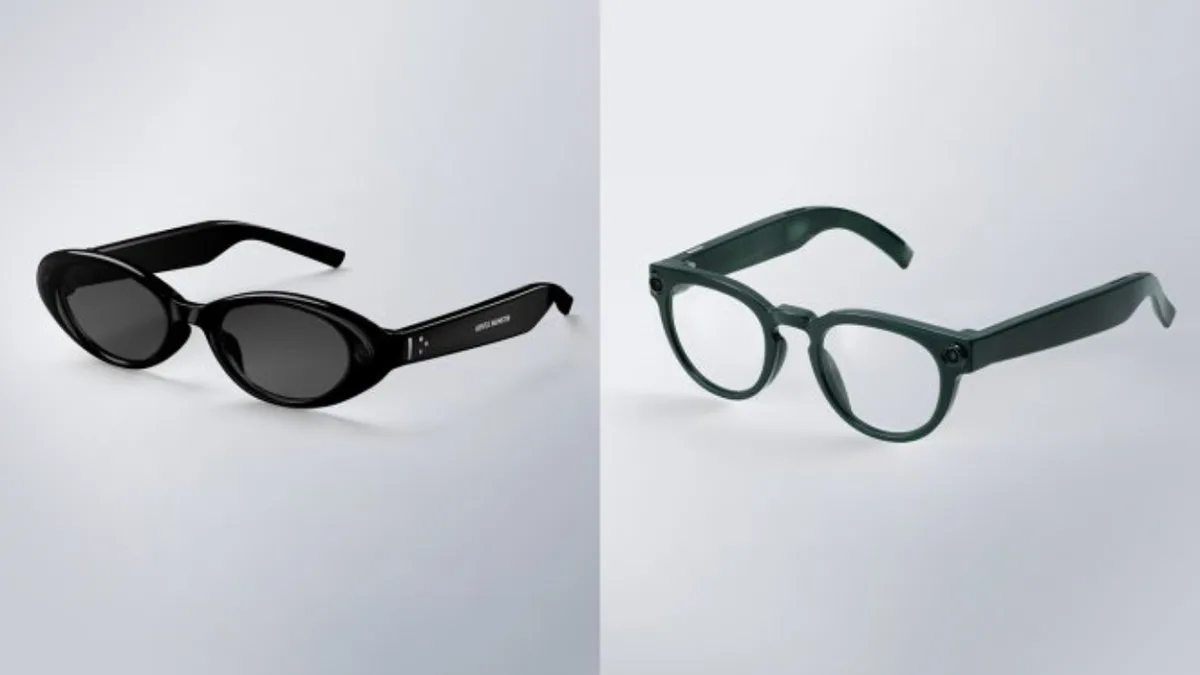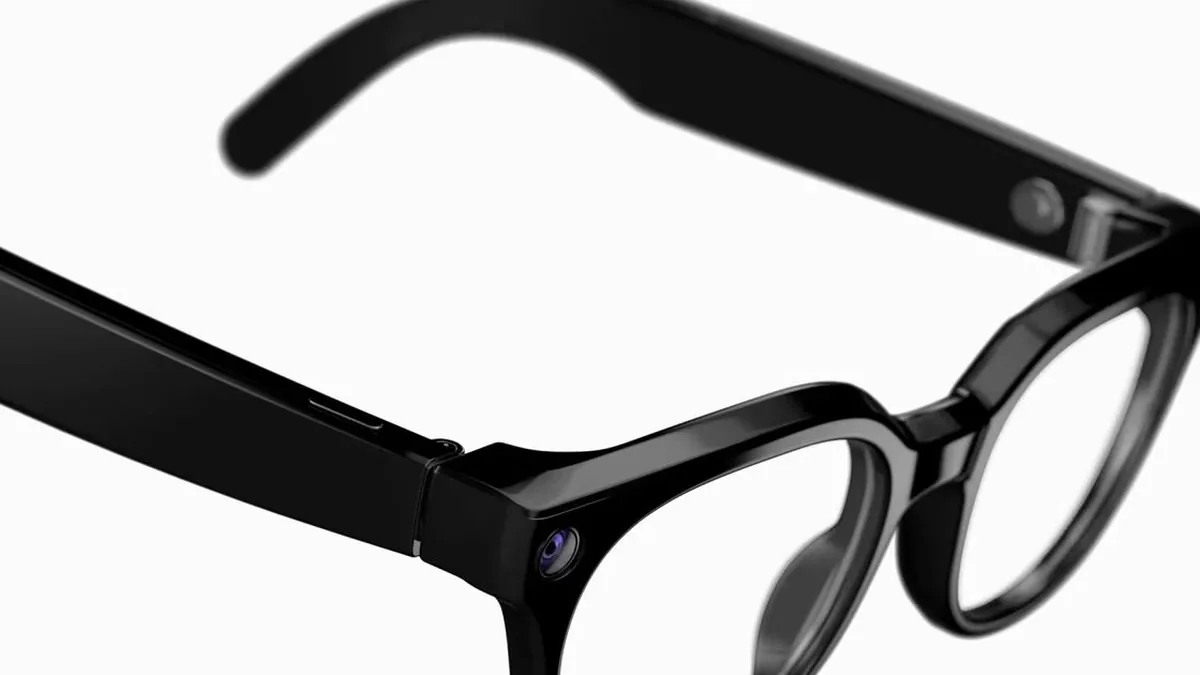
Samsung's next wearable push may not be another watch shape. The Galaxy Glasses leak points toward a device that lives closer to the user's eyes and ears, where AI features can feel more immediate than they do on a phone screen. That is a difficult product category, but it is also the kind of category Samsung cannot ignore if glasses become the next companion device after smartwatches and rings.
The timing makes sense. Phones are already crowded with AI buttons, photo tools, translation features, and assistant shortcuts. A pair of glasses could move some of that interaction into short spoken requests, ambient capture, navigation cues, and call controls. The danger is that the device becomes a novelty if it does not solve everyday problems better than a phone or watch. Samsung needs this to feel practical, not theatrical.
The leak also fits with Samsung's broader wearable strategy. The company has been building a network of devices around the Galaxy phone, and glasses could become the most context-aware member of that network. Our earlier coverage of a Galaxy Glasses leak noted the same tension: a face-worn device can be useful even without a large display, but only if the controls and AI behavior are quick enough to trust.
Digital Trends reports that the Galaxy Glasses leak gives a better sense of why Samsung may be thinking beyond wrist wearables. The report's value is not just that glasses are coming; it is that Samsung appears to be positioning them as part of the Galaxy AI layer rather than as a disconnected gadget.
That distinction matters because smart glasses have a history of failing when the hardware story is stronger than the social story. Battery life, camera indicators, privacy expectations, comfort, prescription support, and app behavior all decide whether people will actually wear the device outside a demo. Samsung can borrow lessons from watches, earbuds, and phones, but glasses sit in public view in a way those devices do not.
A display is another open question. If Samsung keeps the first version audio-first or notification-light, the glasses may be easier to wear and cheaper to build. If it pushes a visual interface, the company has to solve brightness, weight, heat, and app design. The best early path may be modest: calls, translation, camera assistance, navigation prompts, and quick AI capture without pretending to replace the phone.
The competitive pressure is real. Meta has shown that camera glasses can find an audience when the design feels normal, while Apple and Google are expected to keep exploring spatial and wearable computing. Samsung cannot wait until the category is settled. It needs a Galaxy-native answer that ties into phones, watches, rings, and earbuds before someone else owns the daily AI wearable slot.
The leak does not prove a finished product, but it makes Samsung's direction easier to understand. Galaxy Glasses would let the company move AI from an app into a moment: looking, listening, speaking, and acting with less friction. If Samsung keeps the first version comfortable, socially acceptable, and tightly connected to Galaxy phones, the glasses could become more than another accessory. They could become the wearable that makes mobile AI feel less buried.