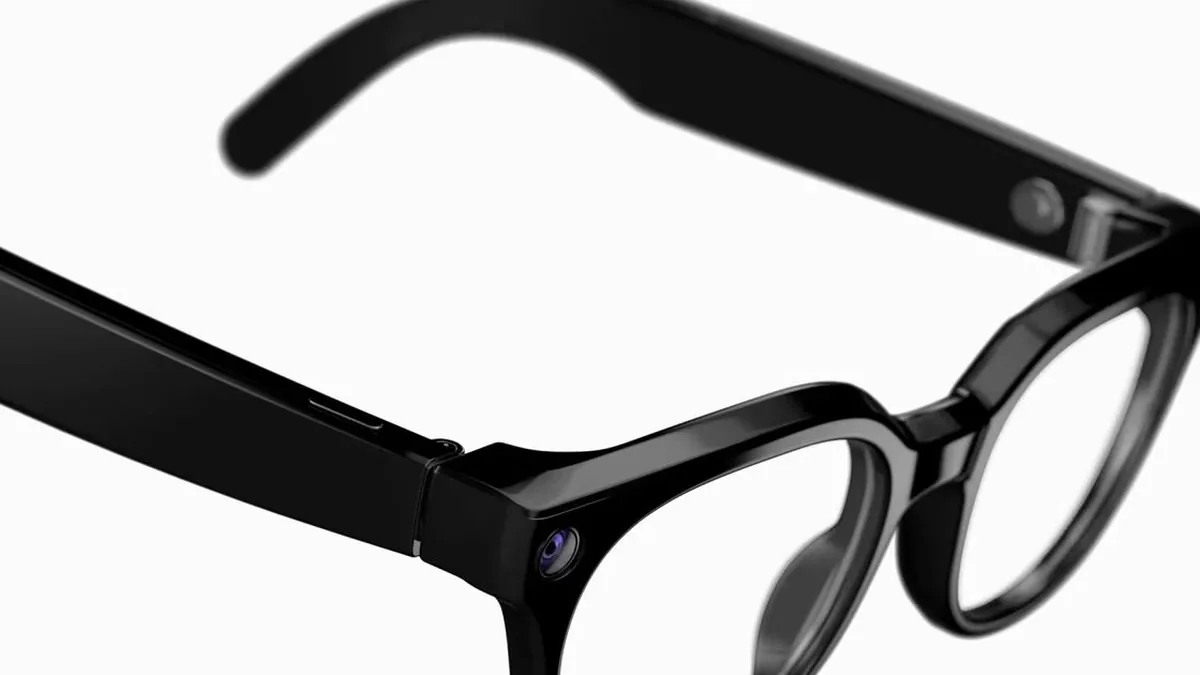
Smart glasses are entering a more serious phase, and Even Realities is taking the practical route. New details around the company's upcoming G3 glasses suggest a product philosophy built around comfort, usefulness, and daily wear rather than theatrical demos. That matters because smart glasses fail quickly when they feel awkward. A phone can stay in a pocket until needed. Glasses sit on the face and have to earn every minute.
The most interesting part of the current smart-glasses wave is not one killer app. It is the search for an acceptable tradeoff. Users want glanceable information, translation, reminders, navigation cues, audio, and AI assistance, but they do not want a heavy headset or a social problem. Even Realities appears to understand that the first job is making hardware that people will actually wear in public.
That focus separates lightweight glasses from more immersive mixed-reality headsets. A headset can be powerful for gaming, training, and work sessions, but it is still a session device. Smart glasses aim for ambient use. They belong beside watches and rings in the wearable conversation, which is why the privacy and data questions we raised in wearable health data overload feature also apply here. Anything worn all day needs restraint.
Tom's Guide spoke with Even Realities leadership about Snap Specs and the upcoming G3 smart glasses, offering a useful look at how smaller wearable companies are thinking about the category. The report is valuable because it is less about hype and more about the design decisions that could make or break a pair of glasses in normal life.
For buyers, the important specs may not be the flashiest. Weight, nose-pad comfort, prescription support, battery endurance, outdoor visibility, and whether the interface can be ignored gracefully are all central. AI features sound impressive, but if they require constant tapping, awkward voice commands, or short battery sessions, the product becomes a novelty rather than a reliable companion.
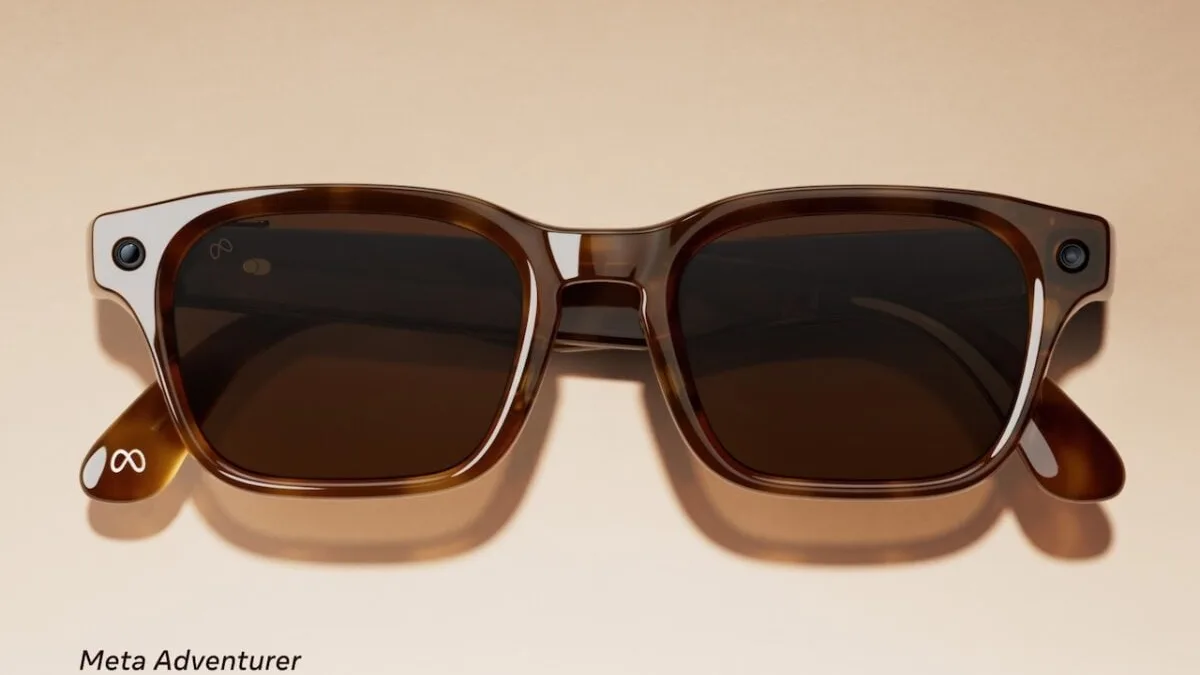
The competitive field is getting crowded. Snap wants developer creativity, Meta has momentum through camera-first glasses, and smaller companies are looking for narrower, more thoughtful use cases. Even Realities can stand out if G3 feels like a normal pair of glasses that happens to be smart, not a gadget that happens to sit on a face.
The details do not guarantee success, but they point in the right direction. The next smart-glasses winner may not be the most futuristic-looking product. It may be the one that disappears into routine while quietly helping with enough small tasks to justify charging it every night. Even Realities G3 sounds like it is being designed with that reality in mind.
Privacy will still decide how comfortable the public becomes around this category. Glasses that display information privately are different from glasses that constantly record the room. Even Realities can benefit if it draws that line clearly and gives bystanders fewer reasons to worry. The smartest AI wearable companies will not only sell convenience to the wearer; they will also design signals, limits, and defaults that make the people around the wearer feel respected.