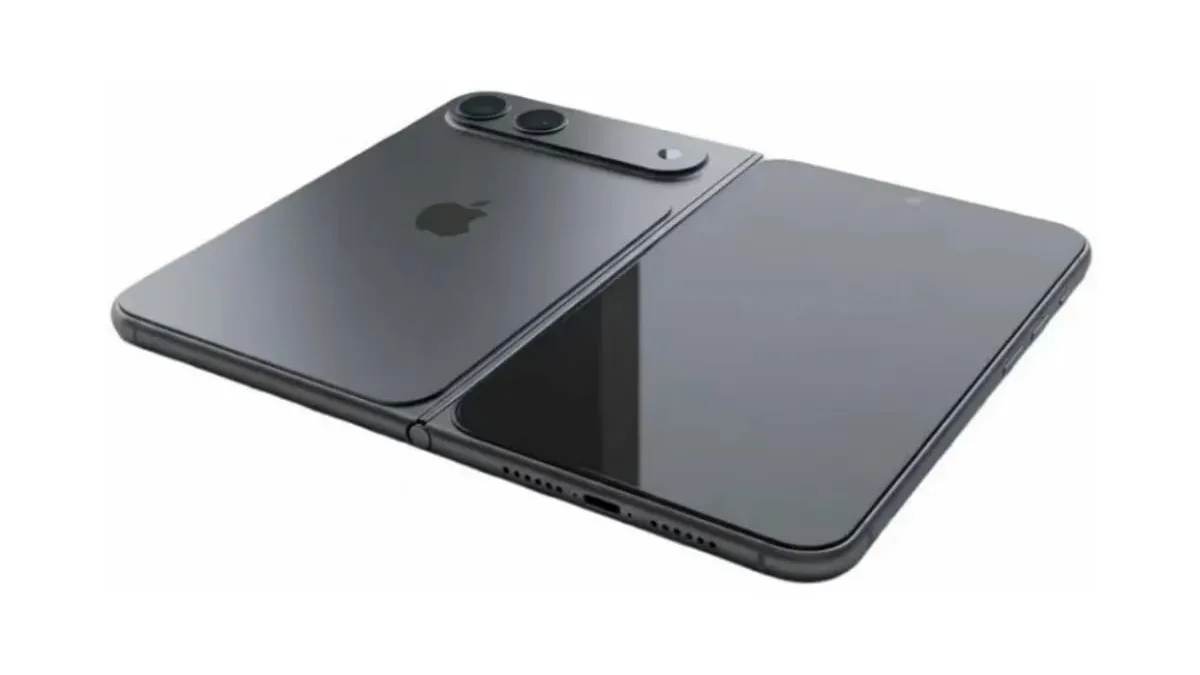
The latest foldable iPhone supply chain report keeps the September pressure alive because it suggests Apple's long-rumored device has not slipped out of the expected window. For a product category that has lived mostly in analyst notes, patent discussions, and component whispers, any schedule confidence matters. It makes the foldable iPhone feel less like a distant experiment and more like a launch plan.
Apple's challenge is different from Samsung's or Huawei's. It is not enough to make a foldable that works. Apple has to make a foldable that feels inevitable after years of waiting. The hinge, crease, software layout, battery, durability, weight, and price all need to support the idea that the company waited for the right moment.
Supply chain reports are not confirmations, but they are useful because foldables require specialized parts that cannot be hidden easily forever. Display panels, hinges, ultra-thin glass, testing equipment, and assembly planning leave signals. When those signals point toward schedule stability, the rumor cycle gains weight.
The new report was published by Mashdigi, and it pushes back against earlier uncertainty covered in our foldable iPhone delay rumor analysis. The central question remains whether Apple can ship on time without compromising the experience.
Apple Has Less Room for a Rough First Try
First-generation foldables from other brands were allowed to look experimental because the category itself was new. Apple will not get the same patience. Buyers have already seen years of Samsung Fold and Flip models, plus fast-moving Chinese alternatives. A foldable iPhone must feel mature on day one, even if it is Apple's first version.
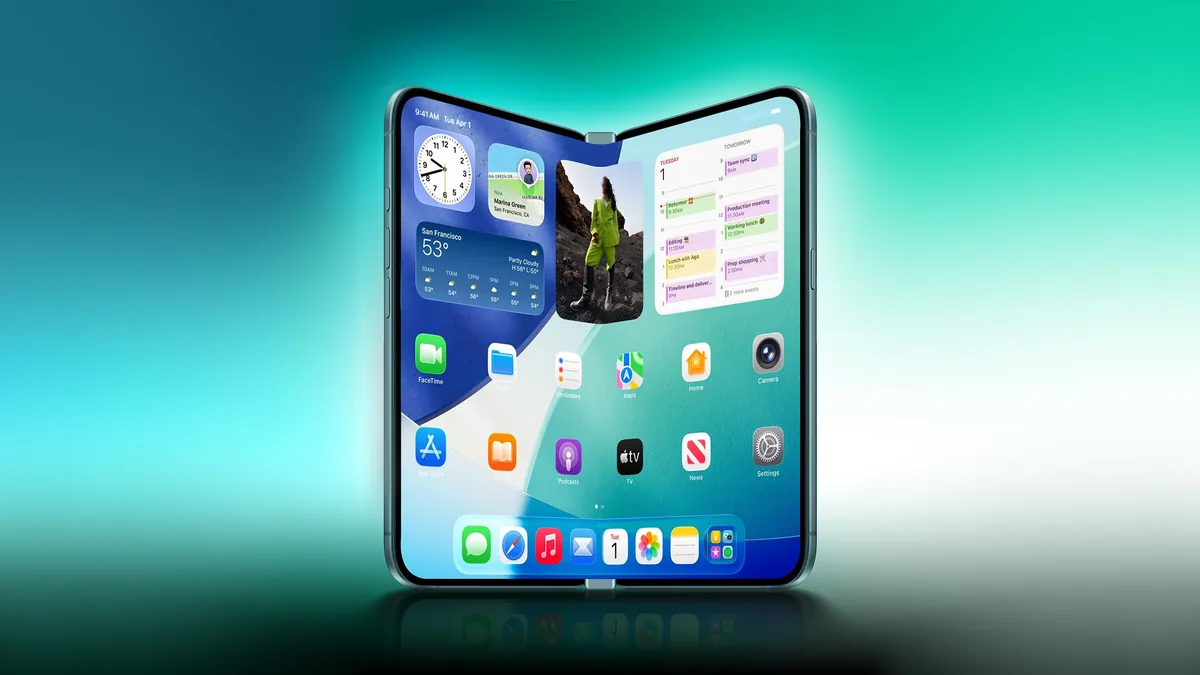
Software will be just as important as hardware. iOS needs to make the larger inner display useful without making the phone feel like a small iPad awkwardly folded in half. Multitasking, keyboard behavior, app continuity, camera previews, and widgets all have to feel natural. A beautiful hinge cannot compensate for clumsy daily use.
Pricing may be the hardest part. Apple can command a premium, but a foldable iPhone may sit above already expensive Pro models. That means the company needs to explain who the device is for: productivity users, creators, luxury buyers, or anyone who wants a more flexible iPhone. A vague pitch would make the price feel heavier.
The supply chain report does not prove the product is locked. It does show that the rumor has entered a more serious phase. If September remains the target, every leak from here will be judged against a simple expectation: Apple waited years, so the foldable iPhone should not feel unfinished.
That expectation will follow the device into stores. Apple will need demos that make the fold useful immediately, not only impressive when opened for the first time. Reading, maps, camera framing, multitasking, and messages all need obvious advantages. If the form factor feels like a party trick, the supply chain confidence will not matter. The product has to make the wait feel rational.
Developers will also play a role. If major apps are ready with thoughtful layouts, the foldable iPhone can feel supported from day one. If apps simply stretch, buyers may question the premium. Apple's schedule is therefore tied not only to factories, but to whether the software ecosystem is prepared.