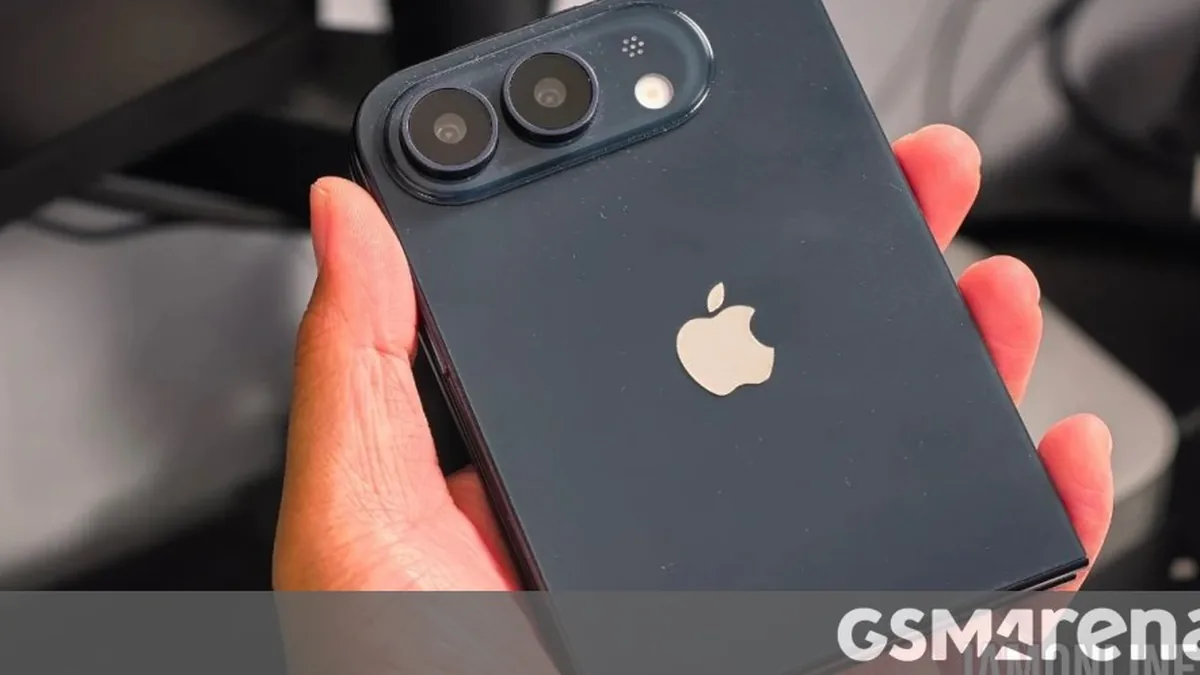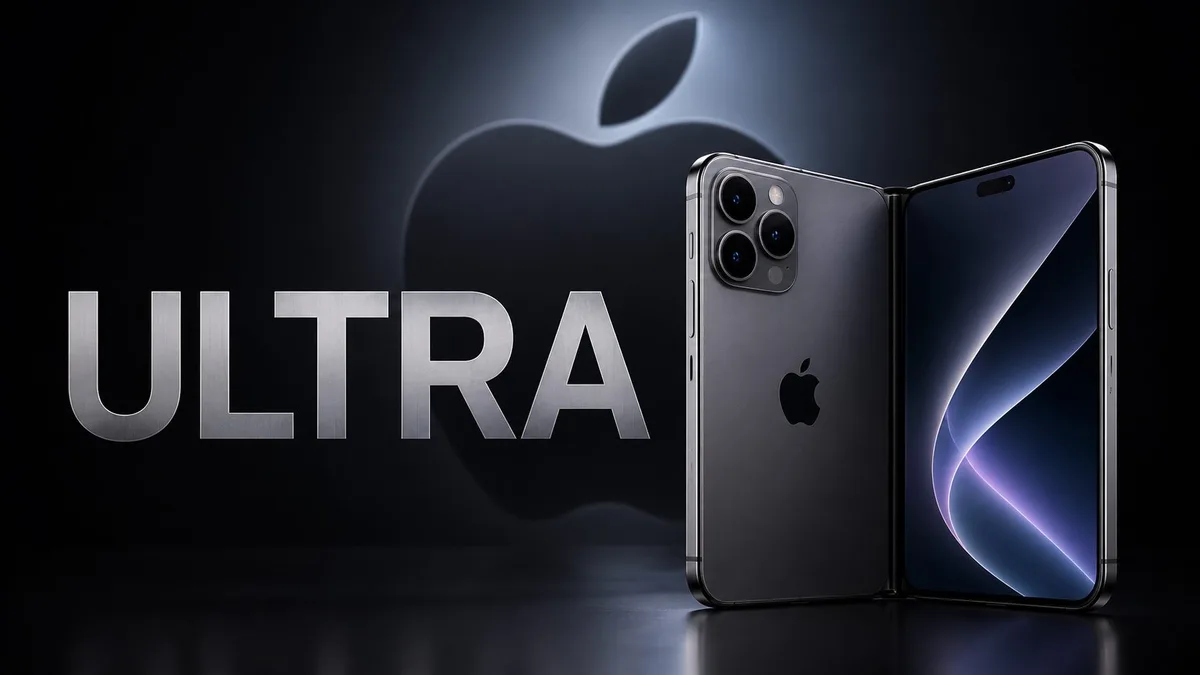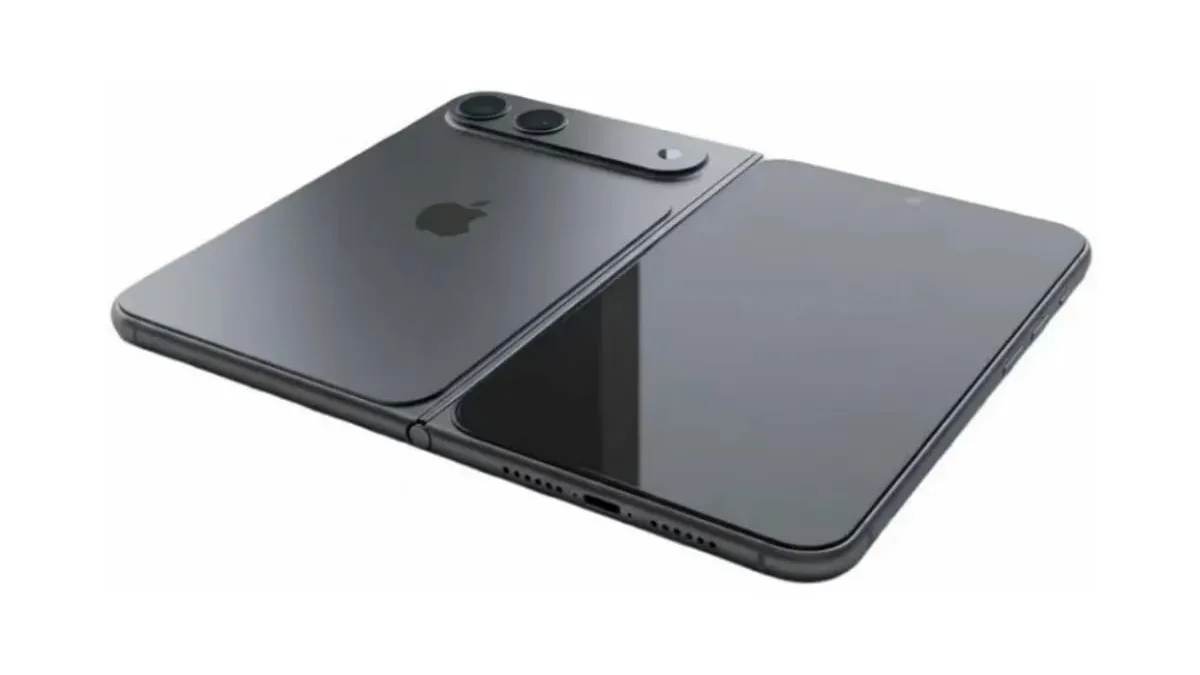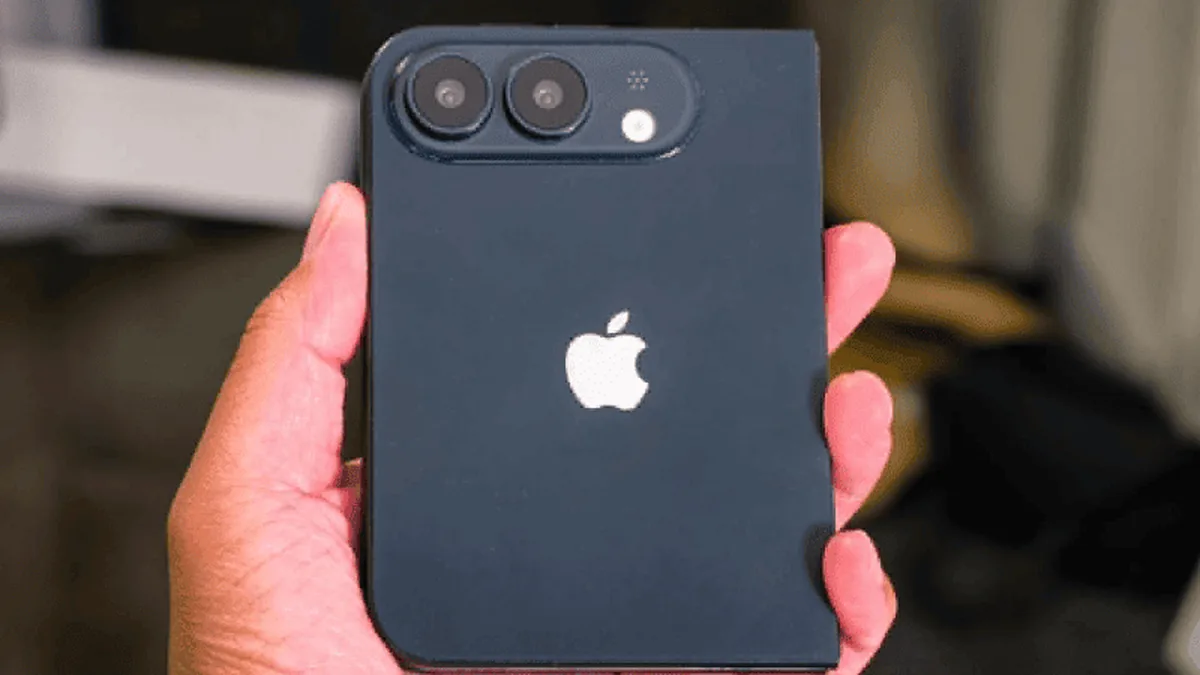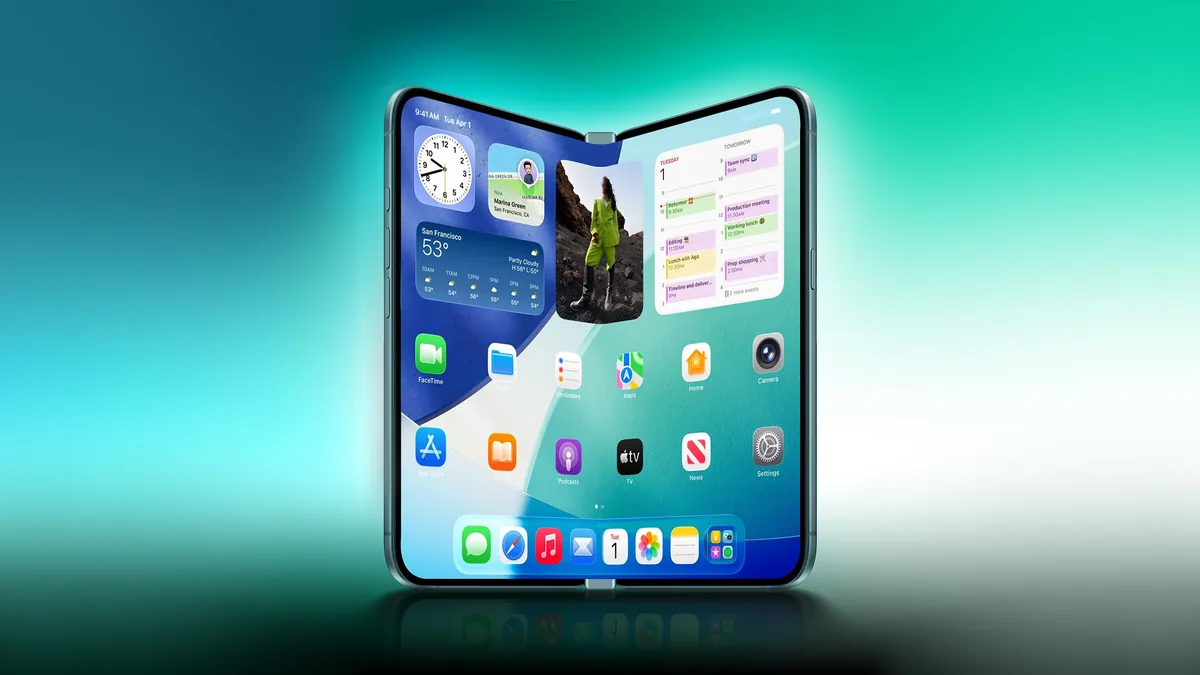
Apple's foldable iPhone story has moved from distant rumor to active product question. The latest report keeps the so-called iPhone Ultra on track for a September debut, which would place Apple's first foldable directly inside the company's most important launch window. That timing matters because Apple does not usually introduce a new iPhone class casually. If it appears in September, the company will want it to define the season.
A foldable iPhone would not simply be another screen size. It would force Apple to answer years of questions about hinge durability, crease visibility, app continuity, battery layout, accessory design, and whether iOS can feel natural across two display shapes. Samsung, Honor, Oppo, Vivo, and Huawei have already done years of public iteration. Apple's advantage is not being first. It is arriving only when the product feels polished enough for mainstream expectations.
That expectation also makes the name important. Calling the device Ultra would give Apple room above Pro Max pricing and separate the foldable from the regular iPhone upgrade cycle. It would also connect with the wider Apple pattern we covered in iPhone 20 display leak analysis, where display size and new shapes are becoming central to the next stage of iPhone differentiation.
MacRumors reported that the foldable iPhone Ultra remains on track for a September debut, despite earlier noise about possible timing concerns. A report like this does not prove the device is locked. Supply chains can change quickly, especially for a first-generation hinge and display stack. But it does suggest that Apple is still treating the foldable as a near-term product rather than a laboratory project.
For buyers, the price will probably be the hardest part. A foldable iPhone would combine Apple margins, new display technology, expensive mechanical parts, and limited early production. It is unlikely to be the model most people buy. Its real job may be to prove a new category inside the iPhone family while giving developers, accessory makers, and premium customers a reason to prepare.
The software question may be even bigger than the hardware. Apple can buy or engineer excellent panels, but the product will succeed only if the unfolded screen feels useful without turning into a cramped Mac. Multitasking, keyboard behavior, Continuity features, gaming layouts, and camera use all need to feel obvious. A foldable iPhone that opens into confusion would damage the category before it gets started.
The report keeps the foldable iPhone conversation alive at the right moment. Samsung's next foldables are approaching, Chinese brands are widening their designs, and Android makers are proving that thinner hardware is possible. Apple now has to show whether waiting produced a better answer. If September is real, the iPhone Ultra could become the most consequential iPhone launch since the Pro line split from the mainstream model.
Accessory makers will be another early signal. A foldable iPhone needs cases, screen protectors, keyboard workflows, mounts, chargers, and possibly new MagSafe behavior that respects two display states. If accessory leaks accelerate, the September story becomes easier to believe. Apple can launch a new category without every accessory ready, but it cannot launch a fragile premium phone into a bare ecosystem. The hardware, software, and surrounding products all need to arrive close enough together to make the first generation feel intentional.