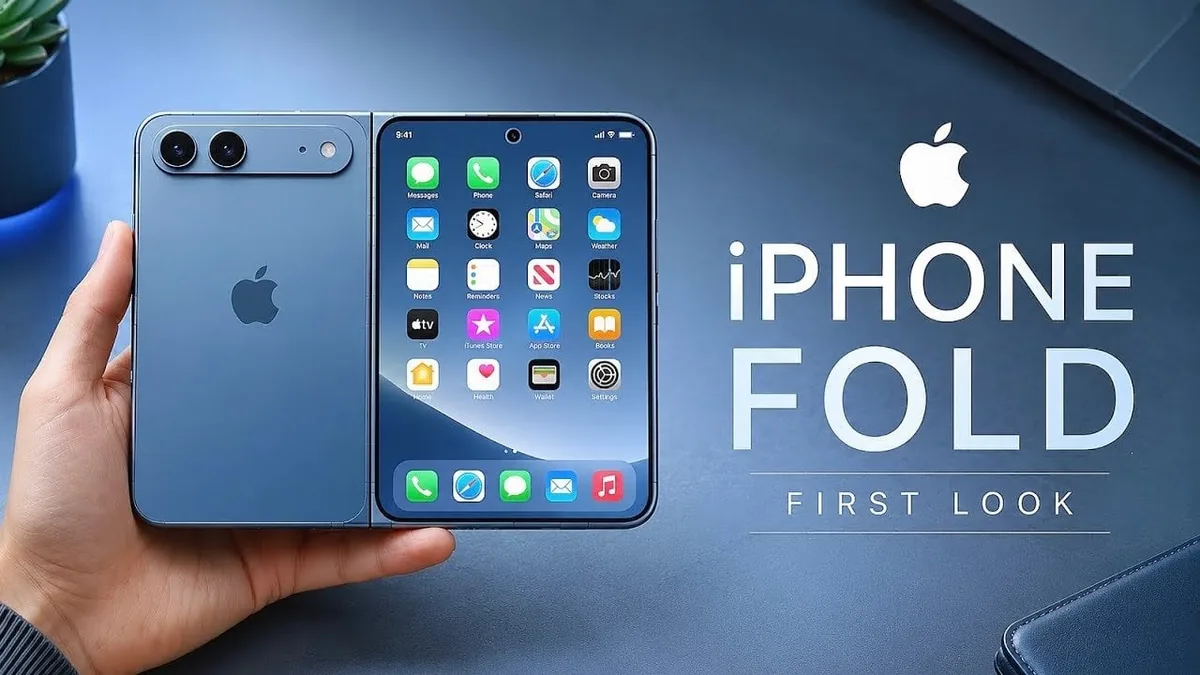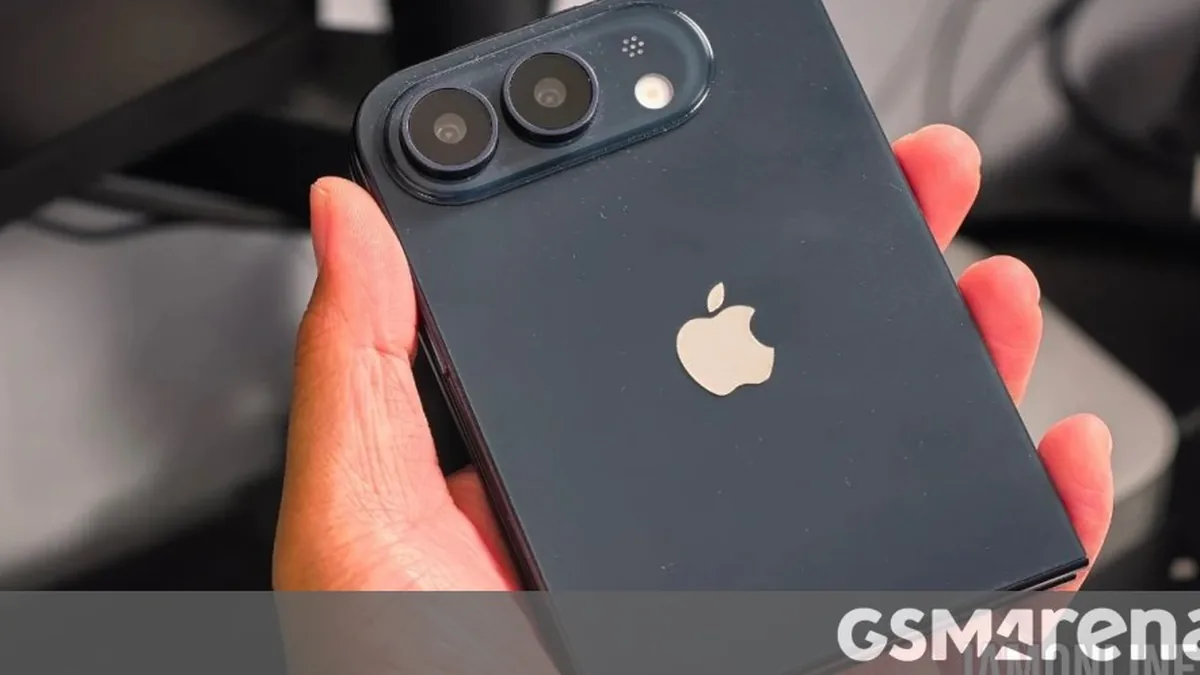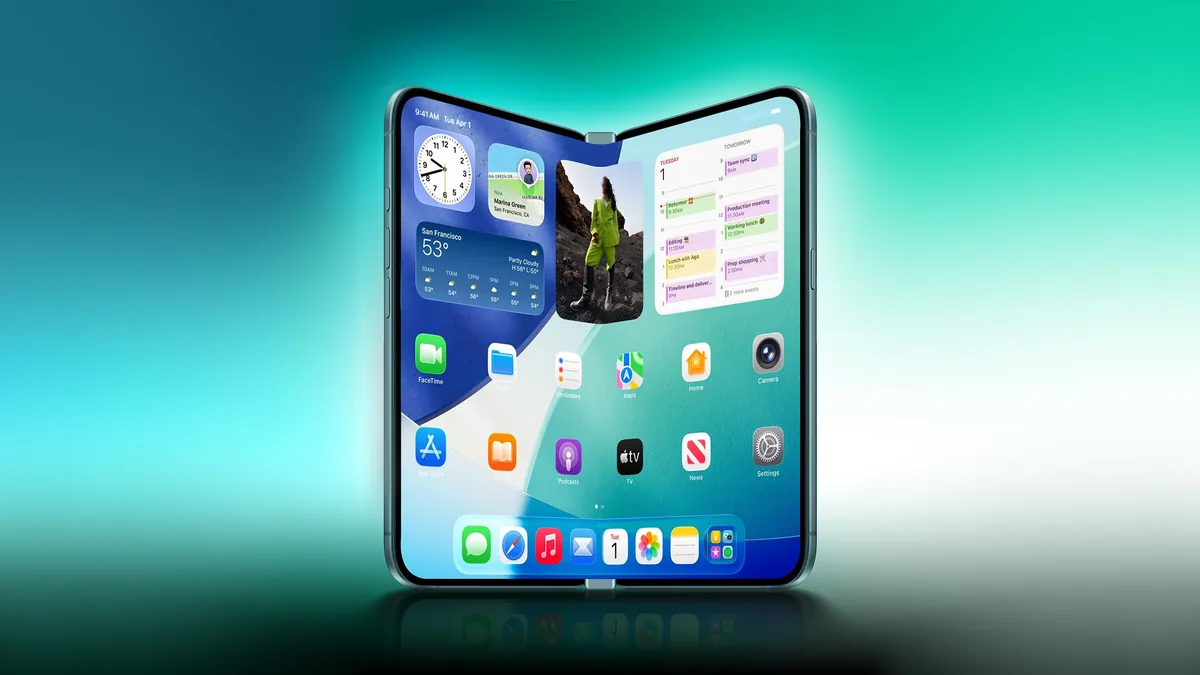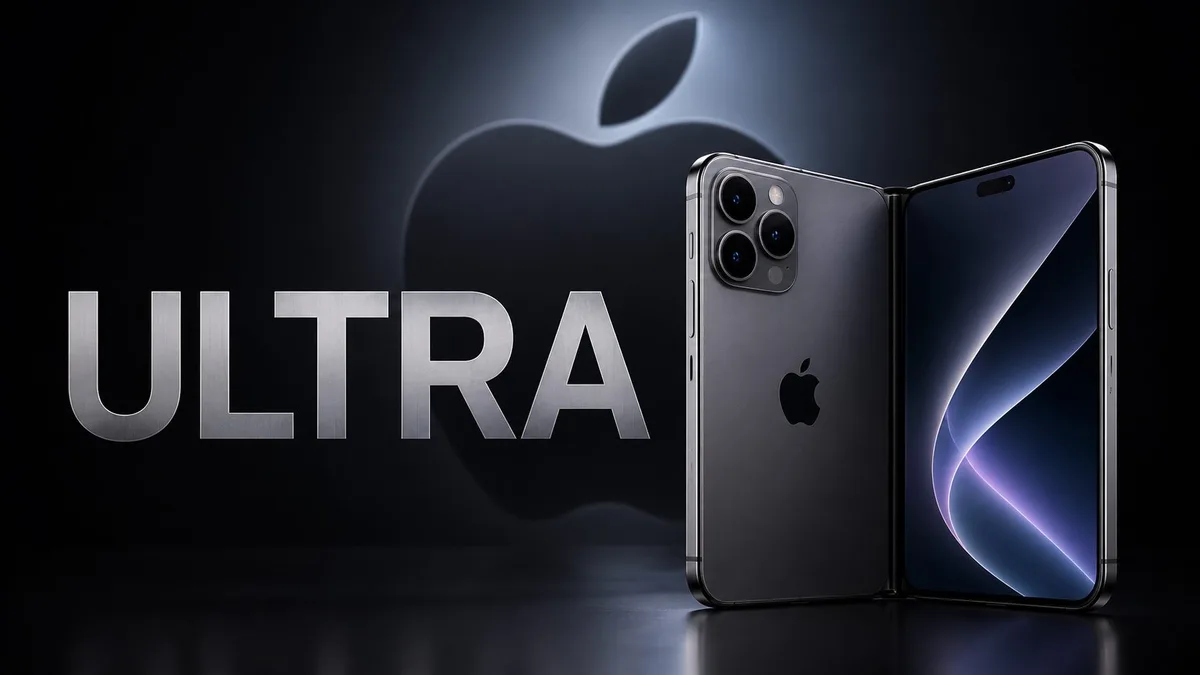
A report pointing to big first-year ambitions for a foldable iPhone Ultra changes the conversation from possibility to demand. The most important question is no longer whether Apple can build a foldable. It is whether enough buyers will accept a very expensive first-generation Apple foldable as a normal upgrade path.
A high-volume target would be bold because foldables remain a premium niche in many markets. Apple has the brand power to widen the audience, but it also has less room for visible first-generation weakness than the companies that pioneered the category.
The thread also links naturally to our earlier look at the foldable iPhone price rumor. For this post, Foldable iPhone Ultra Volume Report Turns Apple Demand Into The Main Question makes that connection specific to Gadget Review: the rumor or report is only useful when it is read beside product timing, component pressure, and the user trust problem around iPhone Ultra.
The current report from Gadget Review frames the foldable iPhone Ultra as a device Apple may expect to sell in meaningful volume despite a very high price. That source detail gives the article a concrete starting point, but the bigger value is in reading what the report says about the product category around it.
For buyers, the rumored price would turn every compromise into a bigger issue. A crease that might be forgiven on a cheaper experiment becomes harder to accept. Battery life, weight, camera quality, app scaling, and AppleCare terms all become part of the value argument.
What makes this worth separating from a normal news brief is the way it changes near-term expectations. Foldable iPhone Ultra Volume Report Turns Apple Demand Into The Main Question is really about timing, confidence, and execution. A small leak can be forgettable, but a leak that points to supply, policy, capacity, or launch positioning can shape how buyers and rivals prepare.
The device would need to make iOS feel natural across two screen modes. A foldable iPhone cannot simply stretch apps. It has to make messaging, camera review, video, reading, multitasking, and handoff behavior feel intentional.
Apple's advantage is patience. It can claim it waited until the hinge, display, and software were mature. Its disadvantage is that Samsung and Chinese brands have years of user feedback, repair history, and pricing experience behind them.
Another angle worth keeping in mind is audience behavior around Gadget Review. People following Foldable iPhone Ultra Volume Report Turns Apple Demand Into The Main Question are no longer waiting passively for official launch slides; they compare leaks, supplier moves, policy signals, and early pricing clues before deciding what to buy, build, or avoid.
Volume rumors are among the easiest to misread. Supply chains prepare for multiple outcomes, and early targets can reflect optimism, negotiation, or component reservation rather than final retail confidence.
If Apple really aims for large first-year volume, expect accessory makers, panel suppliers, and analysts to leave more clues. The foldable iPhone story will be about production confidence as much as design secrecy.
The practical reading is therefore cautious but not dismissive. For Gadget Review, the headline is the new development. For readers following Apple, the more durable point is whether the companies involved can turn that development into something reliable, understandable, and worth paying attention to after the first leak cycle fades.