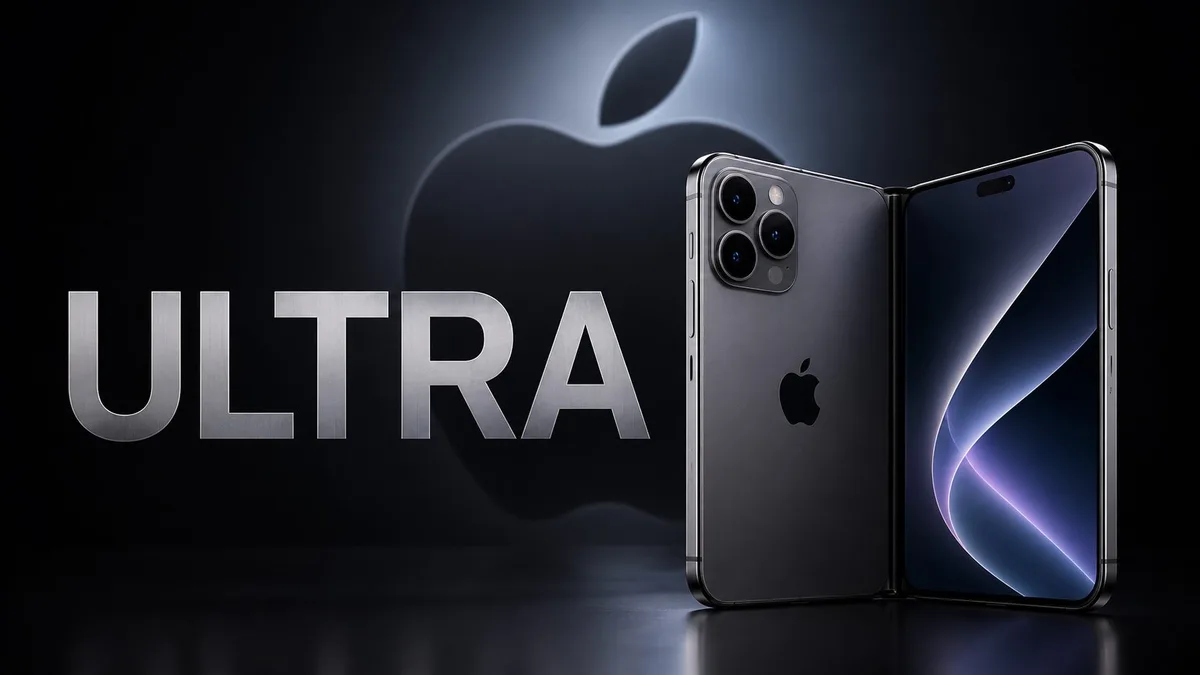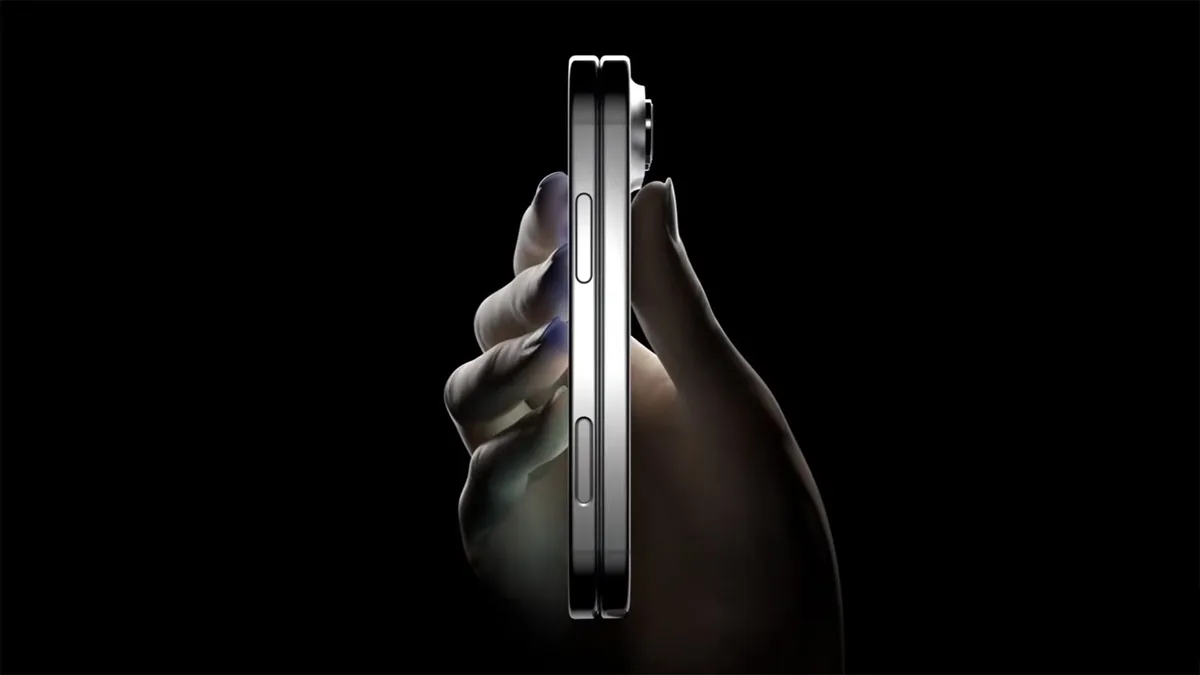
Apple's rumored iPhone Ultra foldable is becoming less of a distant experiment and more of a supply-chain story. The latest stock-order report suggests Apple may be preparing for stronger early interest than a cautious first-generation foldable would normally receive.
That does not prove final production numbers, but it changes how the rumor should be read. A foldable iPhone would not be judged like another Pro Max refresh. It would be Apple's first direct attempt to put a hinge, a large inner display, and a new price tier into the same device.
The thread also links naturally to our earlier look at the foldable iPhone price rumor. For this post, iPhone Ultra Foldable Stock Report Shows Apple Is Testing Demand Early makes that connection specific to T3: the rumor or report is only useful when it is read beside product timing, component pressure, and the user trust problem around iPhone Ultra.
The current report from T3 reports that Apple has increased expected foldable stock before launch, framing the device as a product Apple expects to sell beyond a tiny collector audience. That source detail gives the article a concrete starting point, but the bigger value is in reading what the report says about the product category around it.
The buyer question is whether Apple can make a foldable feel normal enough for everyday use while still making it special enough to justify a premium. Hinge durability, battery packaging, software continuity, and repair confidence will matter more than a single headline spec.
What makes this worth separating from a normal news brief is the way it changes near-term expectations. iPhone Ultra Foldable Stock Report Shows Apple Is Testing Demand Early is really about timing, confidence, and execution. A small leak can be forgettable, but a leak that points to supply, policy, capacity, or launch positioning can shape how buyers and rivals prepare.
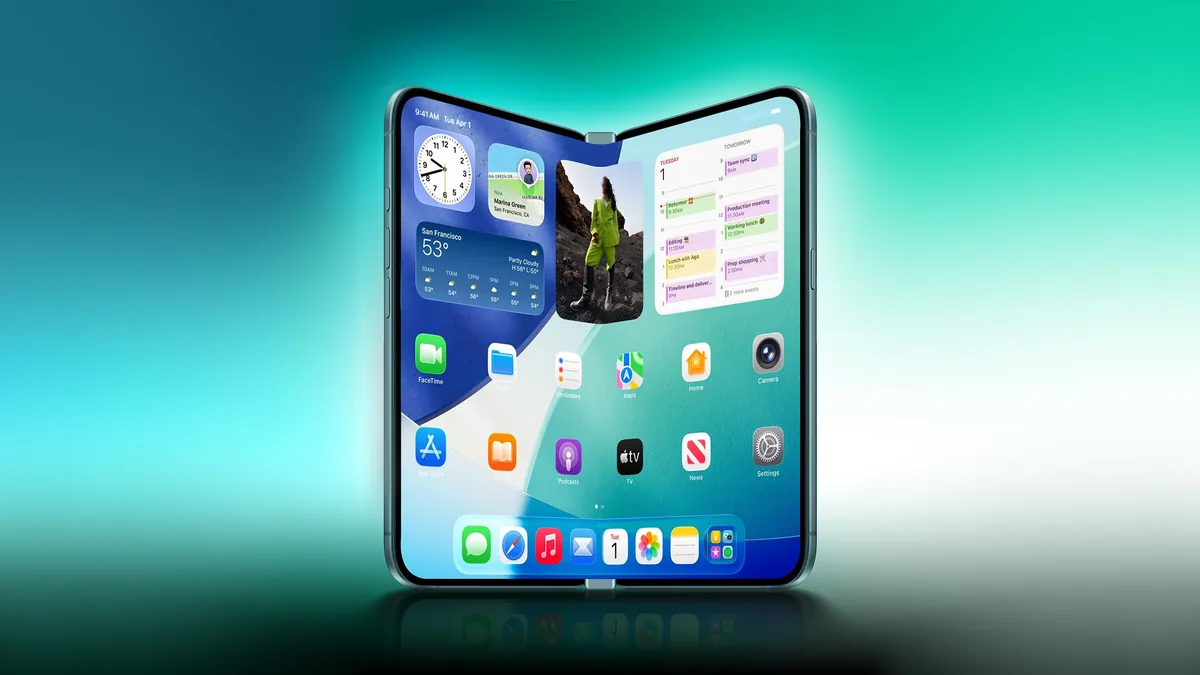
The hardest technical part is not simply bending a screen. Apple has to make the cover display, inner display, cameras, battery, and iOS behaviors feel like one product. A weak outer display or awkward app transition would make the price harder to defend.
Samsung, Honor, vivo, Oppo, and Huawei have already trained buyers to expect thinner foldables and fewer first-generation compromises. Apple can arrive late, but late arrival raises the standard. The company has to look deliberate rather than hesitant.
Another angle worth keeping in mind is audience behavior around T3. People following iPhone Ultra Foldable Stock Report Shows Apple Is Testing Demand Early are no longer waiting passively for official launch slides; they compare leaks, supplier moves, policy signals, and early pricing clues before deciding what to buy, build, or avoid.
Early stock talk can move quickly because suppliers prepare for multiple demand scenarios. Orders can rise, fall, or shift by region before retail timing is locked. The more useful signal is that Apple appears to be modeling a meaningful launch instead of a symbolic one.
The next useful clues will be panel sourcing, hinge suppliers, software references, and accessory movement. If those signals line up, the iPhone Ultra foldable story will look less like a speculative branch and more like Apple's next premium lane.
The practical reading is therefore cautious but not dismissive. For T3, the headline is the new development. For readers following Apple, the more durable point is whether the companies involved can turn that development into something reliable, understandable, and worth paying attention to after the first leak cycle fades.