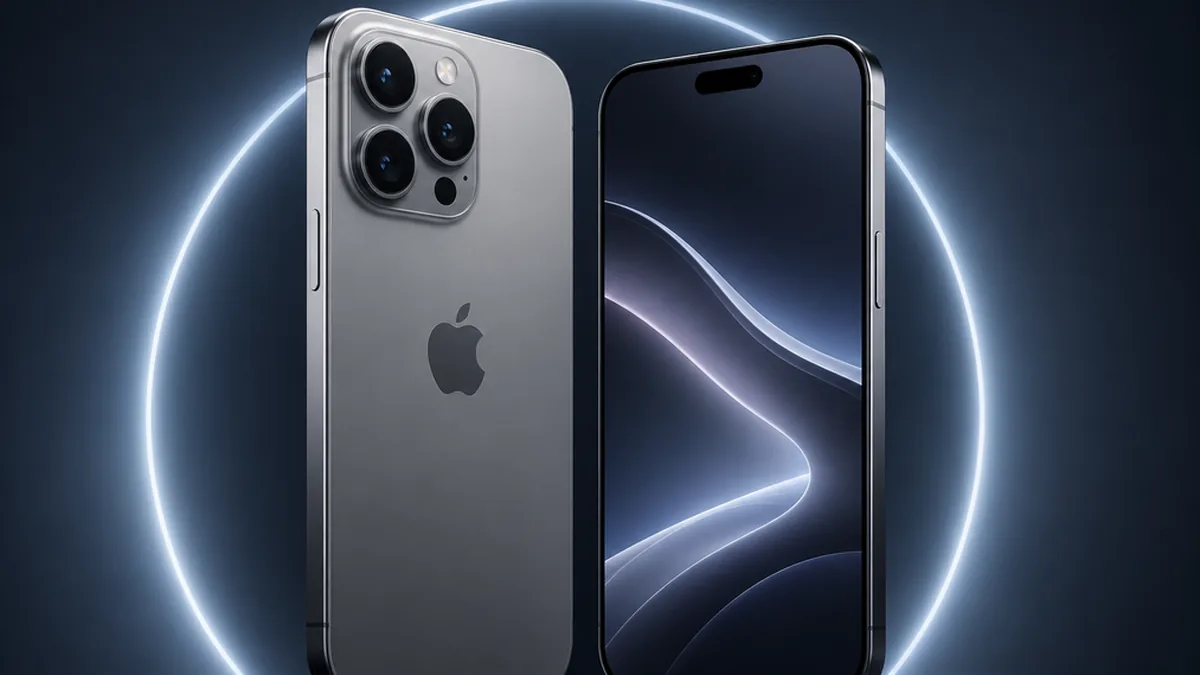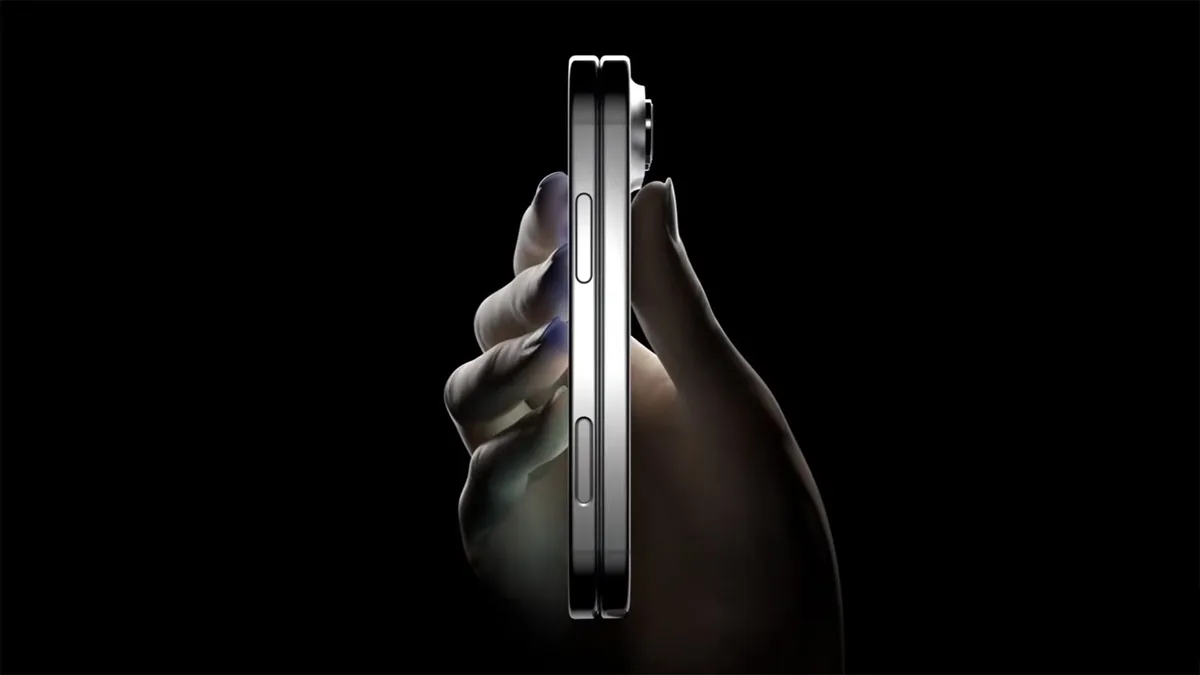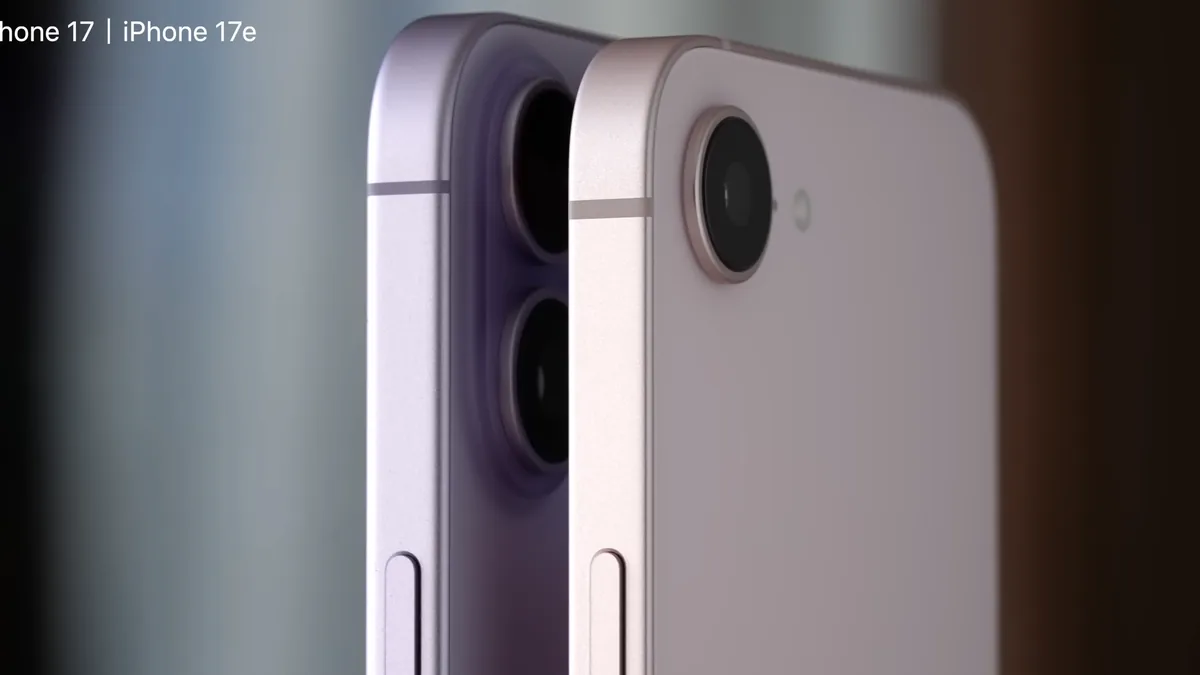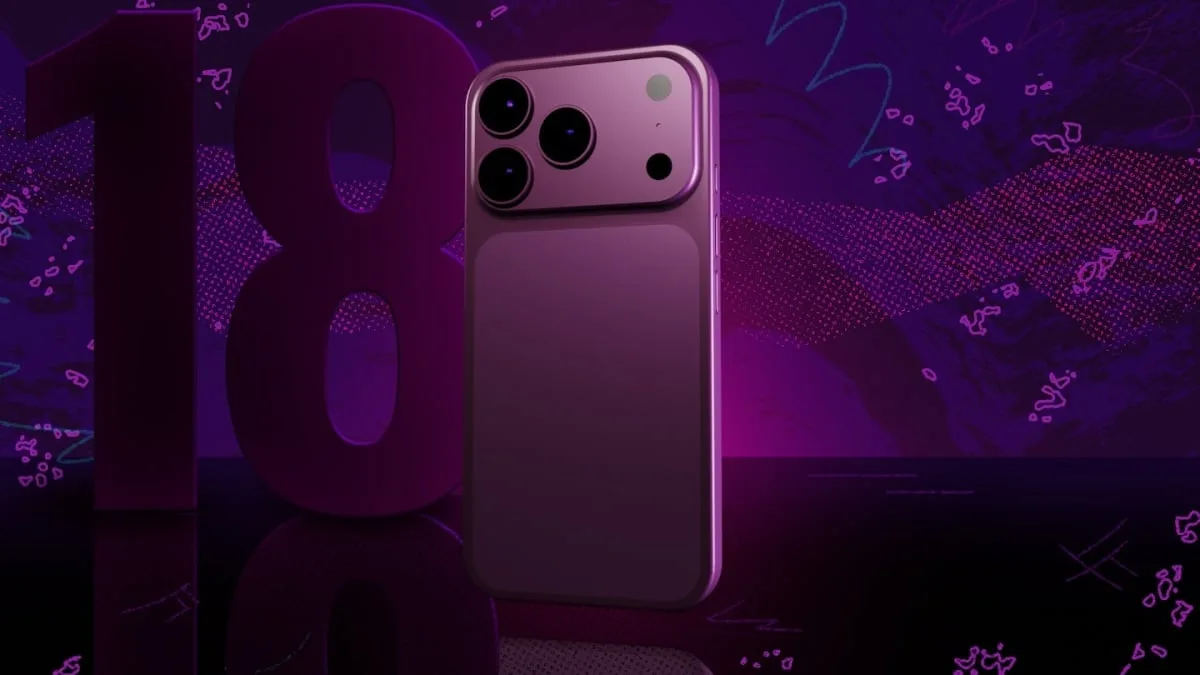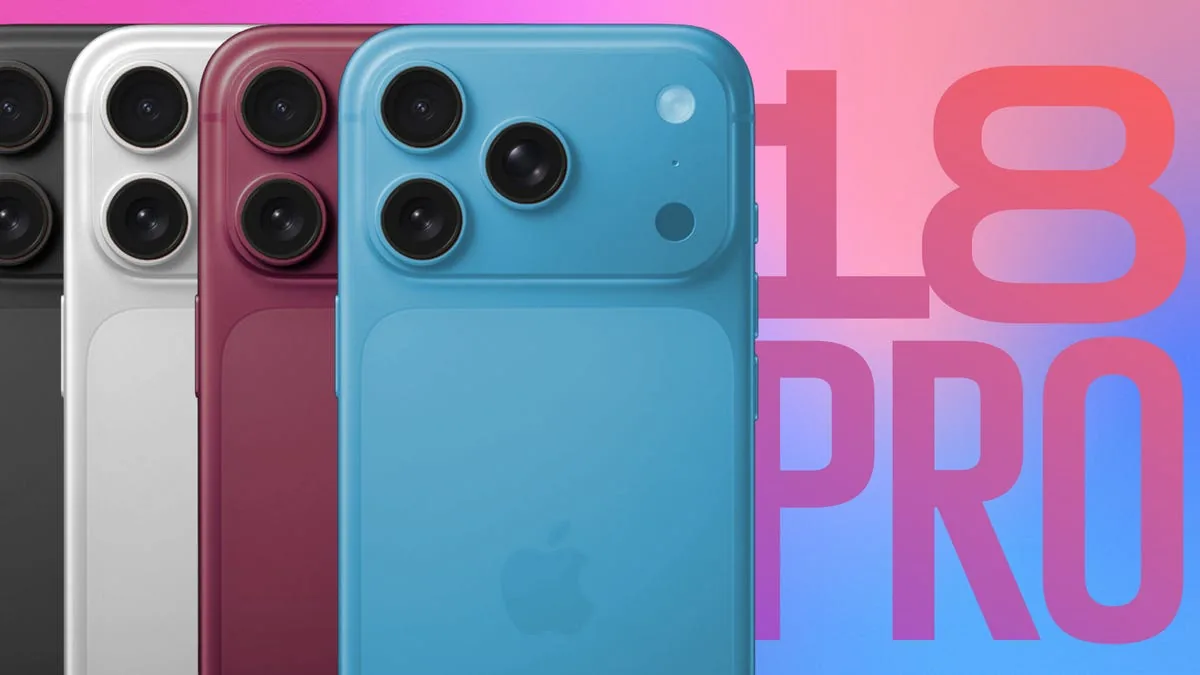
The iPhone 18 cycle is already starting to look less like one phone rumor and more like a map of where Apple wants the next two years of hardware to go. That matters because Apple rarely changes everything at once. Display size, modem choice, camera layout, memory, thermal design, and the software features built around them usually move in a sequence, and the latest roundup gives readers a way to see that sequence forming before launch season turns noisy.
The safer reading is not that every early claim will survive. Early Apple leaks often mix supply-chain hints, analyst expectations, and educated guesses from accessory makers. Still, when the same themes keep returning, they show what suppliers are preparing for and what Apple may be testing internally. For iPhone 18, the themes are familiar but important: a cleaner premium split, more AI-ready hardware, and a product ladder that may leave the base model feeling deliberately restrained.
A broad rumor roundup also helps because the iPhone line is no longer judged only by screen size or camera count. Apple now has to explain why an expensive model deserves extra memory, a more capable modem, better cooling, and perhaps a different display technology. That is why our earlier look at the iPhone 18 RAM rumor remains relevant: memory is becoming part of the feature boundary, not a spec hidden in small print.
The latest overview from CNET collects the main iPhone 18 expectations in one place, from likely handset changes to the broader Apple upgrade calendar. The useful part is the framing. It treats the rumors as a moving picture rather than a final product sheet, which is the right way to read iPhone leaks this far from retail availability.
The biggest question is how Apple keeps the standard iPhone attractive if the Pro line keeps taking the interesting components first. A better chip is expected in every generation, but users are now watching for camera hardware, AI features that run locally, and battery behavior under heavier workloads. If those benefits cluster too tightly around the Pro models, Apple may create a clearer upgrade path while also making the regular phone feel more conservative.
There is also a pricing angle. Apple has room to keep the base iPhone familiar, push the Pro model higher, and prepare a foldable or special model above both. That structure would make commercial sense, but it raises the burden on marketing. Buyers need to understand what each tier does better without feeling that the normal iPhone has been hollowed out. The rumor cycle is already testing that balance before Apple has said a word.
For now, the iPhone 18 story is best read as a direction signal. The individual details can still move, especially around modems, displays, and regional configurations. What seems harder to ignore is the pressure on Apple to make hardware differences support its AI and camera ambitions. The next iPhone may not need a dramatic redesign to matter; it may need a clearer reason for each model to exist.
That is why this kind of roundup is useful even before the launch window is close. It gives buyers, developers, and accessory brands an early sense of where Apple might draw the line between ordinary upgrades and premium hardware. If the final iPhone 18 family follows the pattern now being sketched, the story will be less about one leaked feature and more about Apple tightening the ladder between mainstream, Pro, and experimental devices.