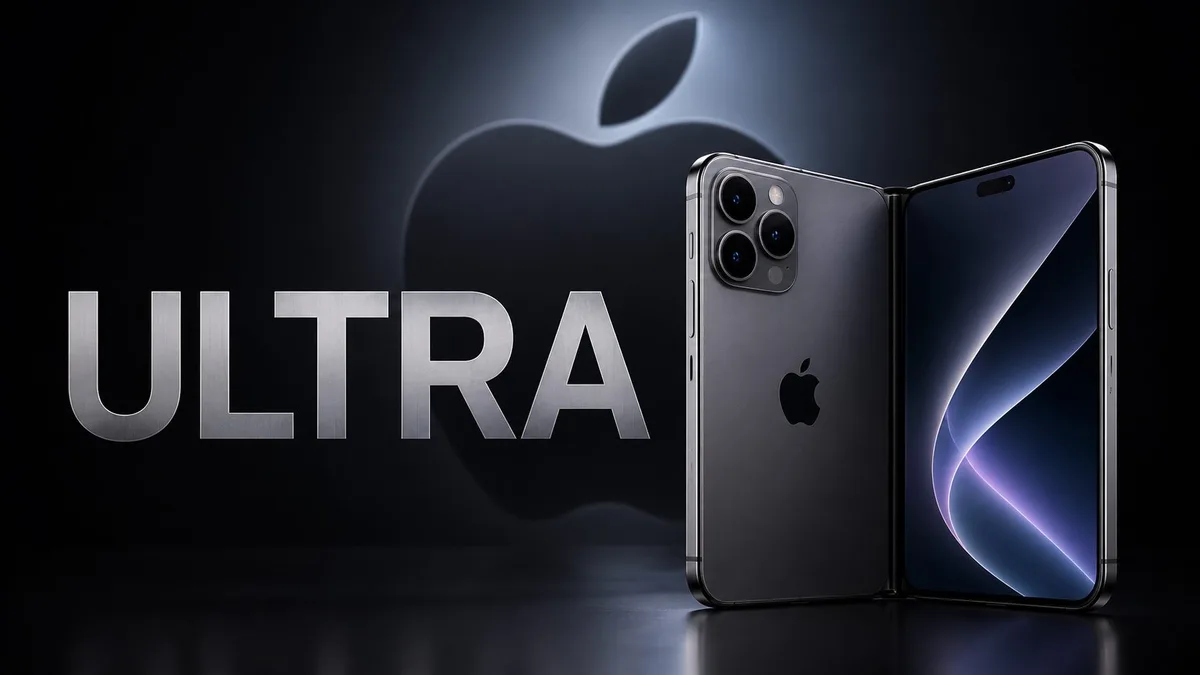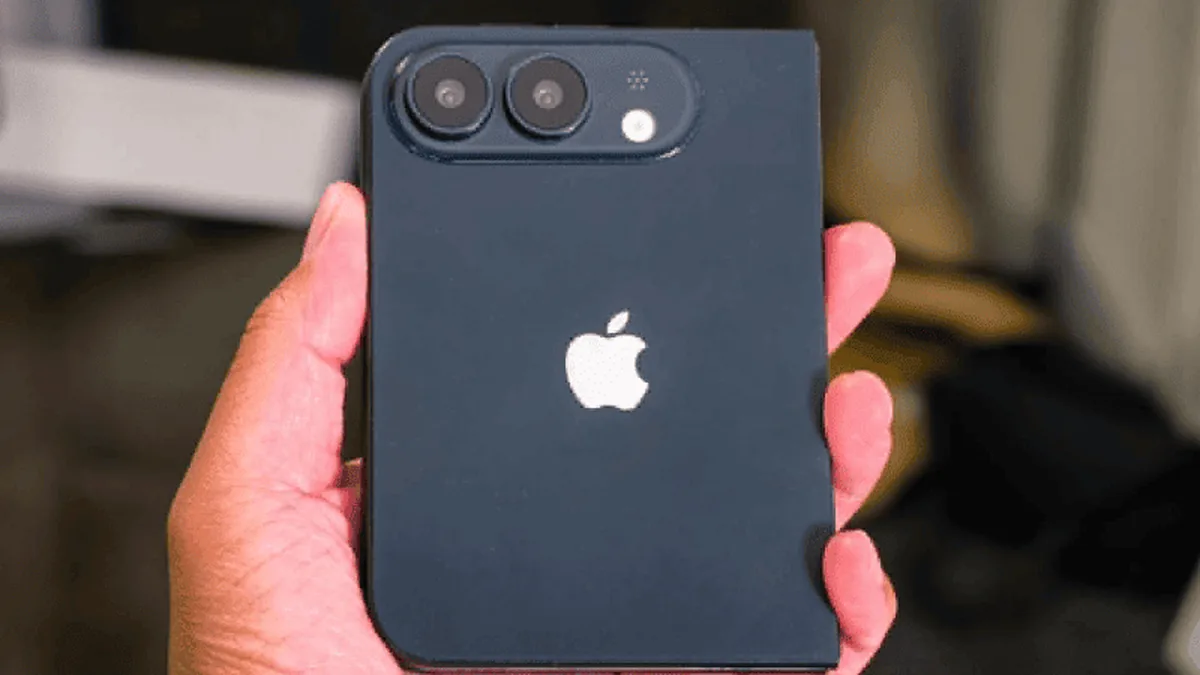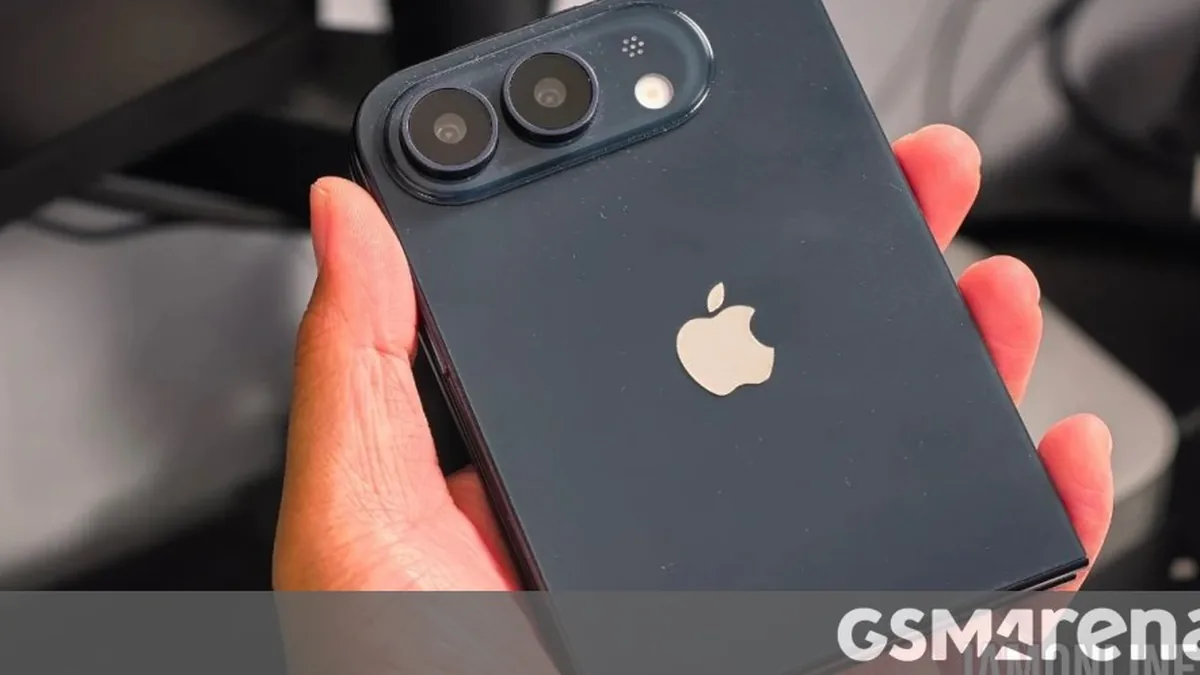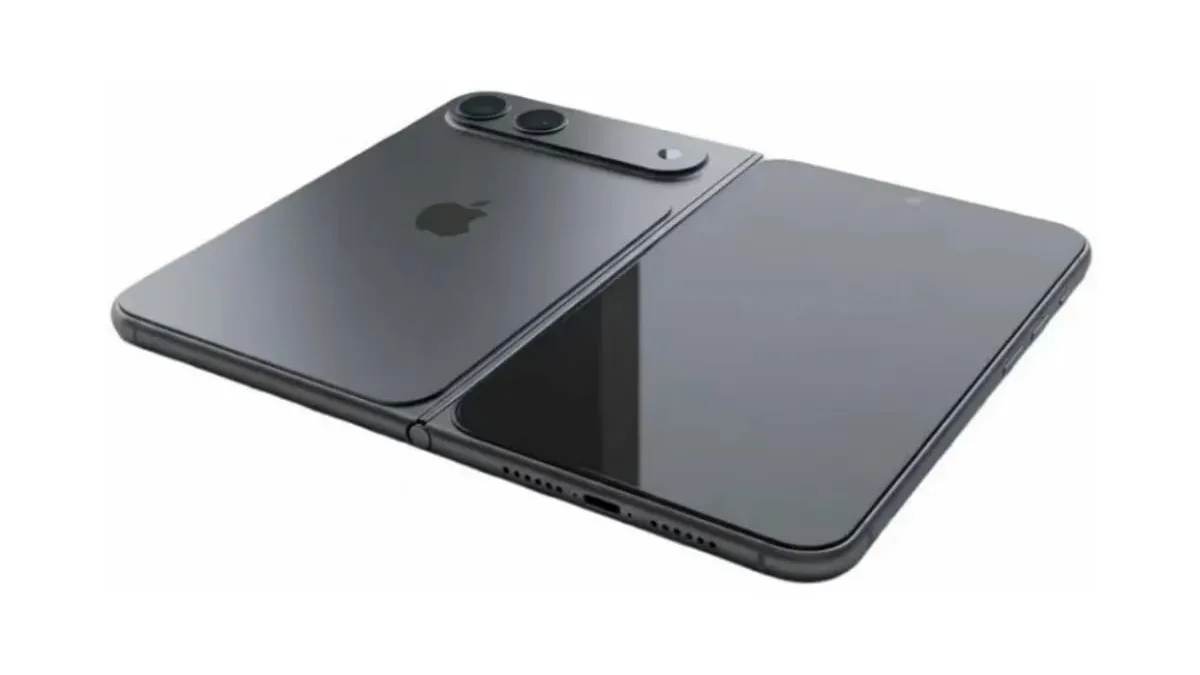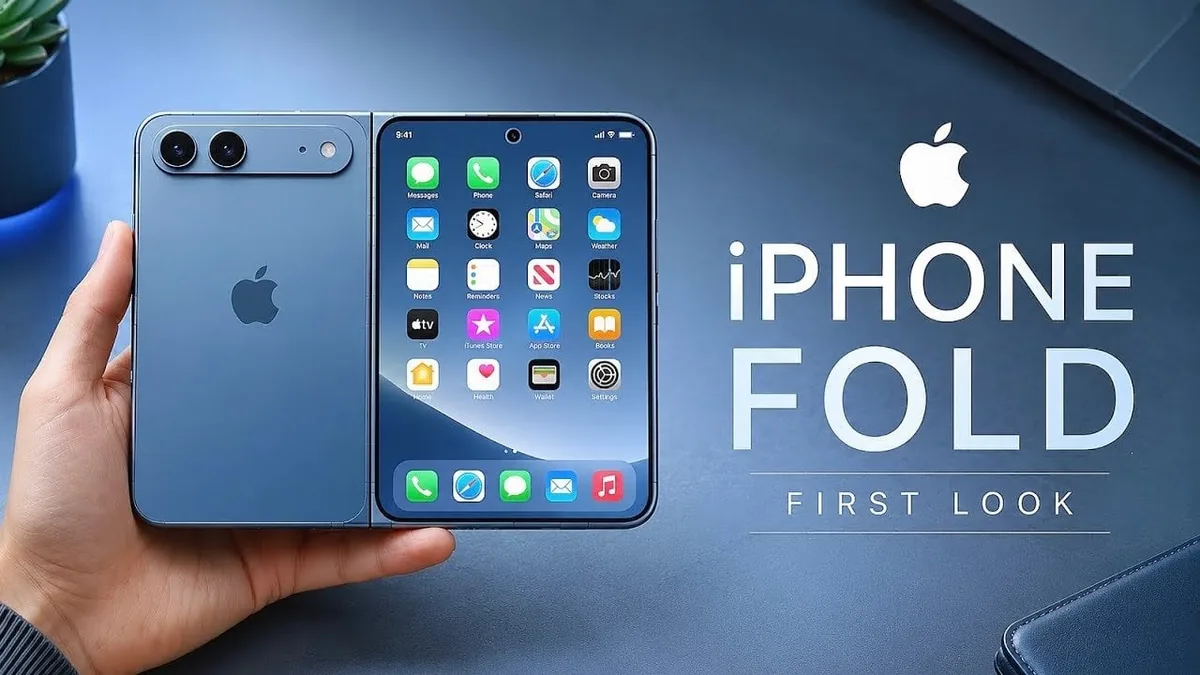
The foldable iPhone rumor has reached the point where price may matter more than whether Apple can build the hinge. A figure above the normal Pro Max range would not be surprising, but it changes the product's purpose. Apple's first foldable would not be a mass-market iPhone replacement. It would be a premium test of how many users want an iPad-like canvas in a pocketable device badly enough to pay for it.
That is a different challenge from Samsung's. Samsung had to prove foldables were real. Apple can arrive later and argue that it waited until the category was mature enough. The difficulty is that late arrival creates higher expectations. The first foldable iPhone cannot feel like a fragile experiment, and it cannot rely on novelty alone. At a rumored luxury price, buyers will expect the hinge, software, cameras, battery, and service story to feel polished on day one.
The display shape may decide whether the price feels reasonable. If Apple delivers a small tablet experience that genuinely improves reading, editing, multitasking, gaming, and video calls, the device could occupy a clear slot above the Pro Max. If it mostly behaves like a thicker iPhone that opens into awkward app layouts, the cost will be harder to defend. Our earlier piece on iPhone Fold clues in iOS 27 showed why software hints matter as much as hardware rumors.
Geeky Gadgets reports that Apple's first foldable could arrive with a price tag that pushes well beyond ordinary flagship territory. The report frames the device as a high-end gamble, and that is the right lens. This would not just be another iPhone size; it would be Apple asking users to accept a new top tier.
The component costs are easy to understand. Foldable OLED panels, hinge assemblies, protective glass layers, reinforced frames, and extra validation all add cost. Apple may also use the device to introduce a different camera layout or new battery packaging. The company can absorb some margin pressure, but it usually prefers to protect premium pricing when a product defines a new category.
The more subtle issue is durability trust. AppleCare, repair pricing, dust resistance, and display crease behavior will all influence early adoption. Foldable owners do not want to baby a device that costs more than a laptop. If Apple can make the product feel ordinary in use, the price becomes less frightening. If early units seem delicate, the premium tier could remain a curiosity.
A foldable iPhone would also affect the rest of Apple's lineup. It could reduce some iPad mini demand, create a new accessory market, and make the Pro Max feel less like the absolute top of the phone line. Apple will need to position it carefully so it expands the ecosystem instead of confusing buyers about which large-screen Apple device they should own.
For now, the price rumor is a reminder that Apple's foldable story will be judged by value, not only by engineering. The company does not need to be first, but it does need to make the first version feel intentional. If the foldable iPhone launches as an expensive but genuinely useful hybrid, the premium may be accepted. If it feels like a status product with ordinary software, the market will be less forgiving.