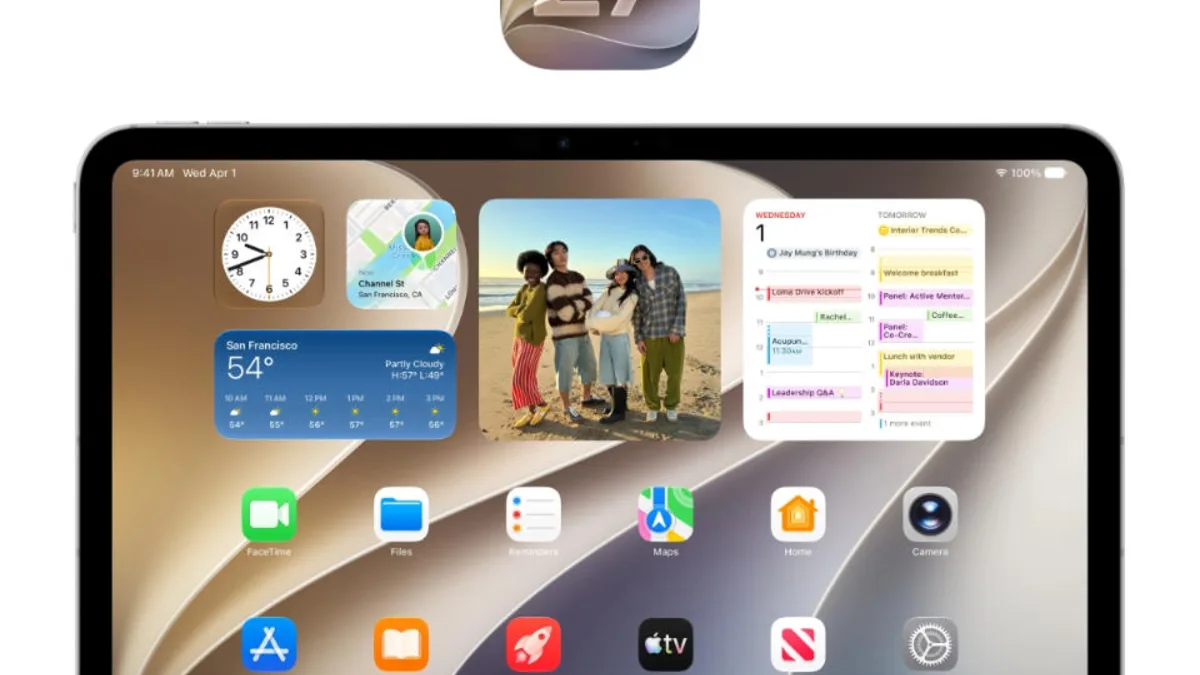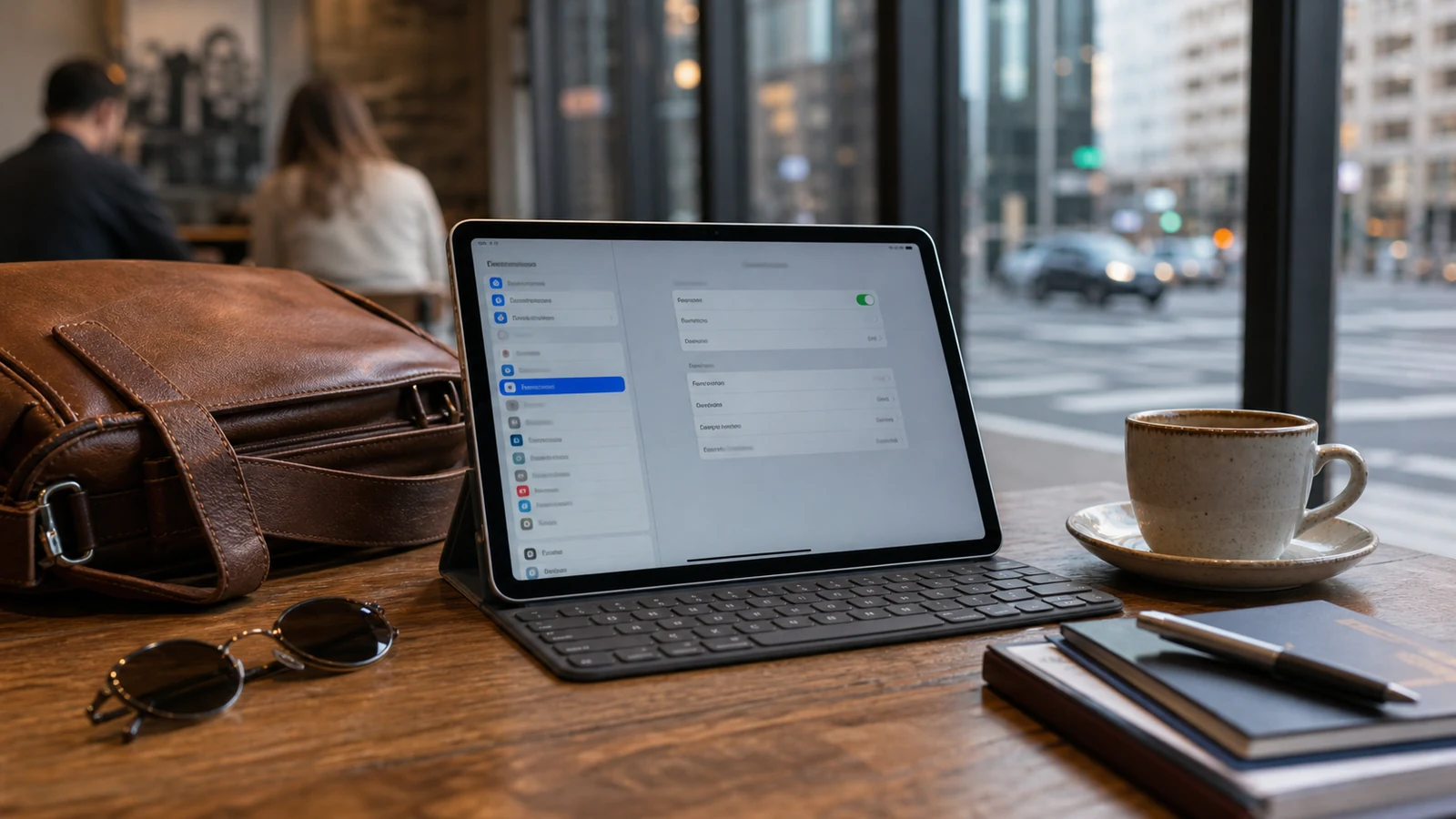
ATT's iPad Unlimited Day Pass is interesting because it treats cellular tablet data like something people may want only when the need appears. Many iPads have eSIM support, but users often leave cellular inactive because a monthly plan feels wasteful. A daily pass changes the psychology. Instead of asking whether a tablet deserves another subscription, it asks whether today needs a connection. That is a much easier question for travelers, students, contractors, field workers, and anyone using an iPad away from reliable Wi-Fi.
The broader shift is that eSIM is making connectivity more disposable without making it less legitimate. A user can activate service from settings, use it for a short window, and walk away. That fits how tablets are actually used. Some weeks they stay on a desk. Other days they become maps, payment terminals, drawing boards, note-taking machines, or work dashboards in places where tethering from a phone is inconvenient.
The price point matters because the daily model only works if users do not feel trapped. A low daily fee can beat hotel Wi-Fi frustration, airport congestion, or phone hotspot battery drain. It also lets carriers earn from dormant cellular iPads that might otherwise never attach to the network. For Apple, it gives the cellular model a stronger reason to exist after purchase.
The launch reported by GSMArena describes a three-dollar daily unlimited option with the first day free, no contract, and activation through the iPad cellular settings. ATT still has to make the experience clear, especially around when a day starts, how renewal works, and whether network management applies under heavy use. Even with those questions, the idea is clean. Tablet data should be available when the tablet leaves Wi-Fi, not buried behind a plan that feels too permanent for occasional use.
The plan also gives Apple a quiet sales benefit. Many buyers hesitate to pay extra for a cellular iPad because they assume they will also need a monthly carrier bill. A daily option makes the cellular model easier to justify at purchase. Even if the buyer only uses it a few times a year, the hardware capability no longer feels wasted. That could be especially useful for families and small businesses buying tablets for flexible use.
ATT will need to keep billing transparent. Short-term passes can annoy users if activation times, renewal rules, throttling, or cancellation controls are unclear. The service should behave like a simple toggle, not a hidden subscription. If the carrier keeps the experience clean, it may encourage other networks to offer similar tablet passes. That would make cellular tablets more practical without forcing everyone into another monthly line.
The biggest opportunity is business use. Pop-up sales teams, inspectors, photographers, and event staff often need reliable tablet data for one intense day, not a permanent plan. A day pass matches that rhythm much better.
For consumers, the cleanest use case is simple: activate it for a trip, a conference, a hospital stay, or a weekend away, then forget about it when the iPad returns to Wi-Fi. That flexibility is exactly what eSIM was supposed to make normal.