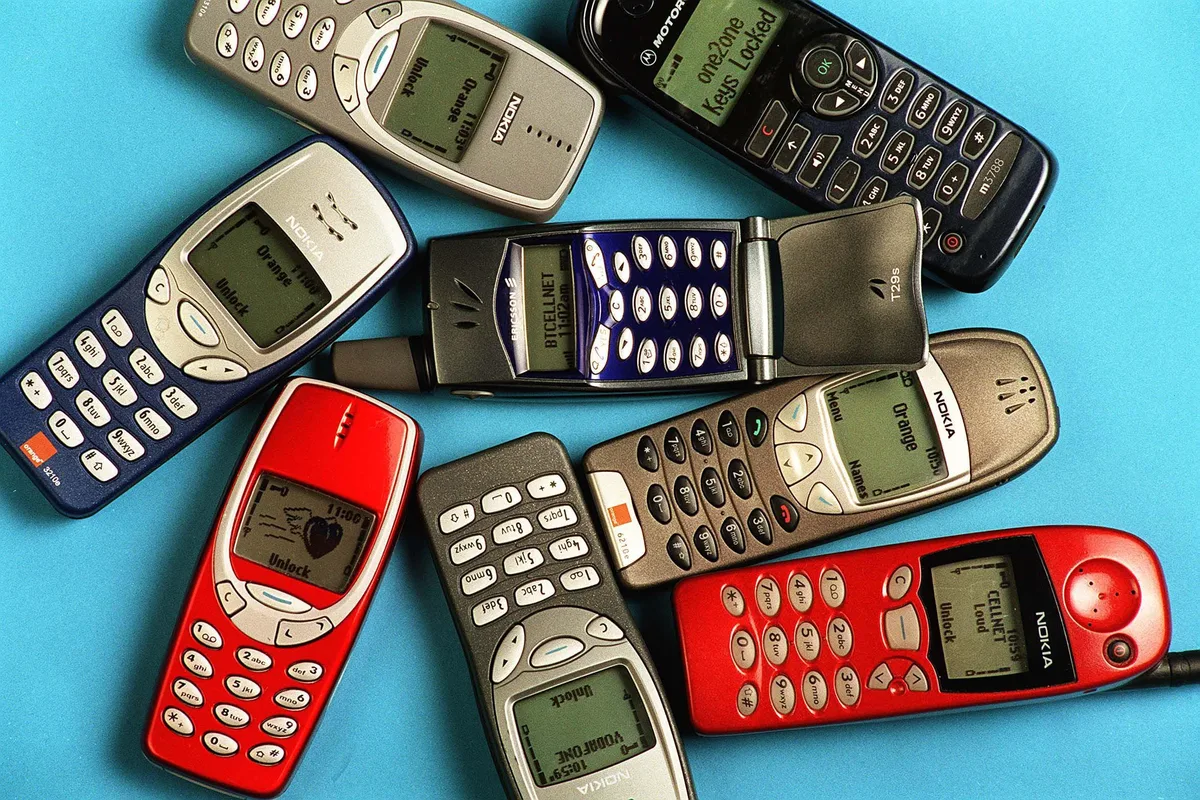
Burner phones sit at an uncomfortable intersection of privacy and security. They can be used for fraud, evasion, and abuse. They can also protect journalists, activists, domestic violence survivors, whistleblowers, travelers, and ordinary people who do not want every phone number tied permanently to a verified identity. Any policy aimed at killing burner phones has to deal with both realities.
The identity debate is getting sharper because mobile numbers now function as keys to everyday life. They are used for banking, messaging, two-factor authentication, ride sharing, delivery, job applications, and account recovery. Making every number easier to identify may help law enforcement and reduce some scams, but it also expands the amount of personal data tied to telecom access.
WIRED reported on the FCC's push against burner phones as part of a broader security discussion. The issue is not simply whether anonymous phones are good or bad. It is how to reduce misuse without making privacy a luxury or forcing vulnerable people into traceable systems.
This overlaps with consumer data concerns in the health tech privacy story. Different technologies raise different risks, but the pattern is similar: more identity and more data can make services safer in one way while creating new exposure in another.
Telecom fraud is a real problem. Robocalls, SIM abuse, account takeover, and anonymous harassment impose costs on consumers and networks. Regulators are right to look for stronger controls. But identity requirements should be measured against consequences. If the rules are too broad, they can harm people who rely on temporary or separate numbers for legitimate safety reasons.
A better approach may combine targeted enforcement, stronger carrier accountability, better fraud detection, and narrowly designed identity checks for high-risk activity. Blanket identity expansion can look simple on paper and still fail in practice if criminals move to stolen identities, foreign services, or other channels.
The burner phone debate is really a debate about how much anonymity a connected society can tolerate. The answer should not be zero. Privacy and security are both public interests, and policy that ignores either one will create new problems. The hard work is building systems that make abuse harder without making everyday privacy disappear.
Technology policy often fails when it treats misuse as the only use. Burner phones are abused, but separable identities can also be protective. The best rules will recognize context, target bad behavior, and preserve lawful anonymity where it serves safety. That balance is difficult, but it is necessary. A communications system with no privacy can become dangerous in different ways than a system with too much anonymity. The FCC debate should be judged by whether it reduces harm without making every phone number another permanent identity record.
Carriers will be central to any workable compromise. They see activation patterns, payment behavior, abuse signals, and network activity in ways regulators do not. Stronger carrier-level fraud controls may reduce harm without demanding identity exposure from every low-risk user. The policy should use that operational intelligence carefully instead of assuming one identity rule can solve every misuse case.