AI glasses are quickly moving from futuristic accessory to practical security headache. Chinese-language reporting on schools banning AI glasses from exam rooms shows how fast the category has crossed a line. The issue is not whether smart glasses are interesting. It is whether institutions can trust a room full of people wearing cameras, microphones, displays, and AI assistance near sensitive information.
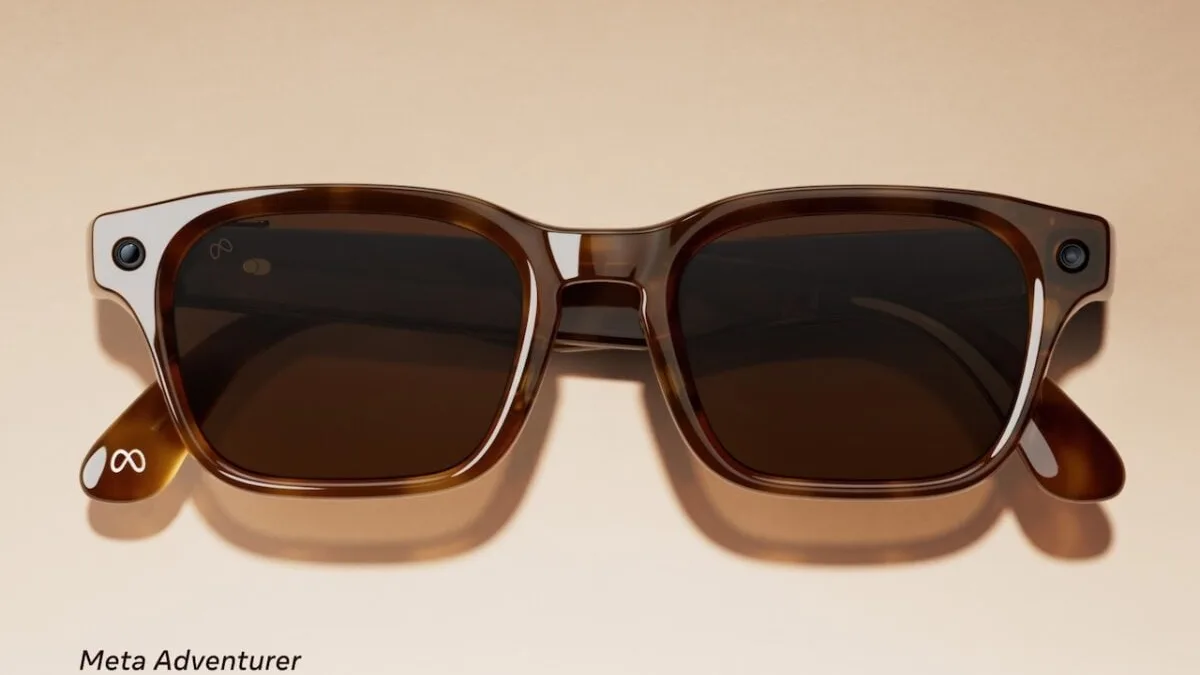
Exam halls are a clear test case because they depend on equal conditions. A phone can be collected, a laptop can be locked down, and a smartwatch can be banned visibly. Glasses are harder. They can look normal from a distance, sit naturally on the face, and potentially capture or display information without obvious movement. Once AI summaries, translation, and question-answering become available, the cheating risk becomes more than theoretical.
The same problem will spread beyond schools. Corporate meetings, courtrooms, hospitals, labs, factories, concerts, border checkpoints, and private homes will all need rules for smart glasses. Wearables have already raised privacy concerns through rings, watches, and earbuds, but glasses add a social dimension because they point outward. That connects directly with broader wearable trust issues, including our coverage of smart ring data risks.
KOCPC reported on Seoul schools banning AI glasses in exam rooms and noted a similar case involving smart glasses in Taiwan. The details show how quickly educators are reacting. They are not waiting for a perfect policy framework because exam integrity cannot pause while device categories mature.
Manufacturers should take this seriously. If smart glasses become associated with cheating, spying, or workplace distrust, the category could face resistance before it reaches mainstream usefulness. Clear recording indicators, enterprise controls, exam modes, local data limits, and easy detection tools may become necessary. The companies that treat social acceptability as a product feature will have an advantage.
There is a design challenge here. Users want glasses to look normal because bulky smart eyewear has historically failed. But institutions want visible signals when a device can record or assist. Those goals conflict. A discreet wearable may be more attractive to buyers and more alarming to everyone around them. That tension will shape the category more than processor specs.
Detection will become its own market. Exam centers may need check-in procedures, visible device declarations, RF scanning, camera-cover rules, or certified offline modes. None of those measures is perfect, but they show how a consumer gadget can force schools and businesses to redesign everyday security routines.
AI makes the issue sharper. A camera alone can record. A camera plus AI can read, translate, summarize, identify, and suggest responses. In an exam, that can undermine the whole purpose of testing. In a workplace, it can leak confidential information. In public, it can make bystanders feel analyzed. The capability leap changes the etiquette.
The exam ban story is therefore not a niche school-policy item. It is an early warning about wearable computing. Smart glasses may become useful tools, but they will need trust frameworks as much as better displays. Without that, the most advanced wearable in the room may also be the least welcome.