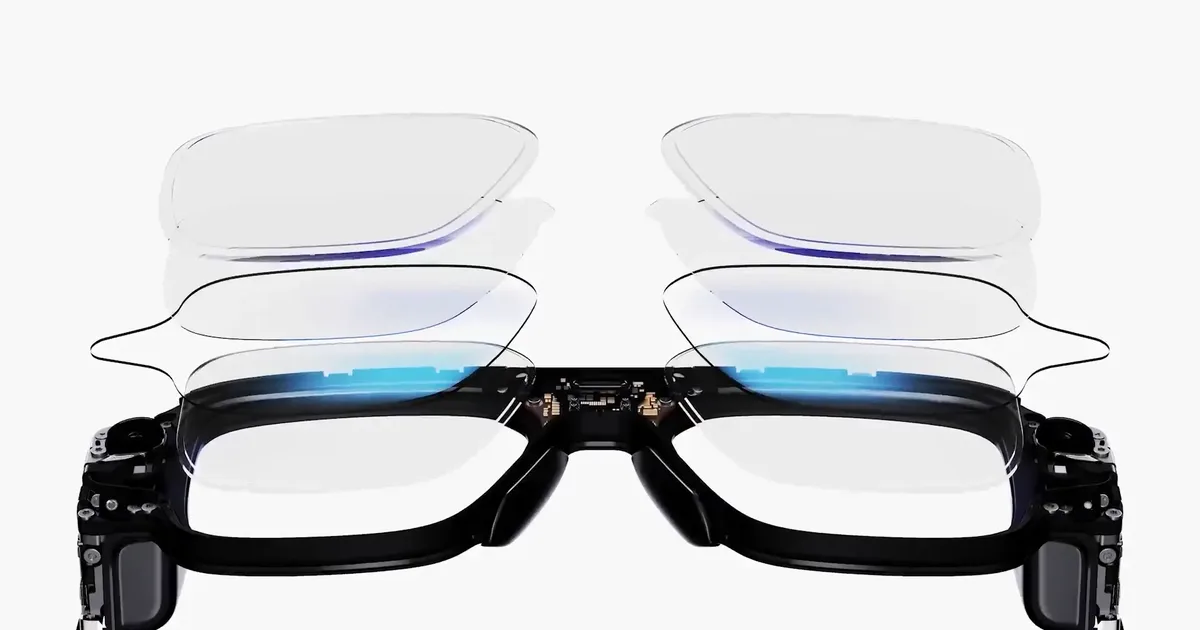
Snap Specs are again becoming a test case for consumer AR glasses, a category that has spent years sounding inevitable without becoming ordinary. The latest live reveal coverage puts Snap back in the same conversation as Meta and other wearable display projects. That is important because AR glasses need more than a clever demo. They need a reason to be worn in normal life without making the user feel like a developer kit with legs.
Snap has experience here. Its earlier Spectacles were culturally visible, but they did not turn camera glasses into a mass-market habit. The new Specs conversation is different because the industry has moved. AI assistants, spatial interfaces, compact displays, better chips, and more efficient sensors have all made smart glasses feel less theoretical. The question is whether those improvements can be packaged into something light, useful, and socially acceptable.
Consumer AR has a brutal checklist. The glasses must have a wide enough field of view to feel meaningful, enough battery life to last beyond a demo, input that does not look awkward, displays that work outdoors, and apps that matter. They also need privacy cues people can understand at a glance. Without those pieces, AR glasses risk becoming impressive hardware that owners leave at home.
Tom's Guide tracked the Snap Specs launch live, framing the device as one of the more visible AR glasses stories at AWE 2026. The live format itself says something: smart glasses have become an event category again, not just a lab experiment hidden inside developer conferences.
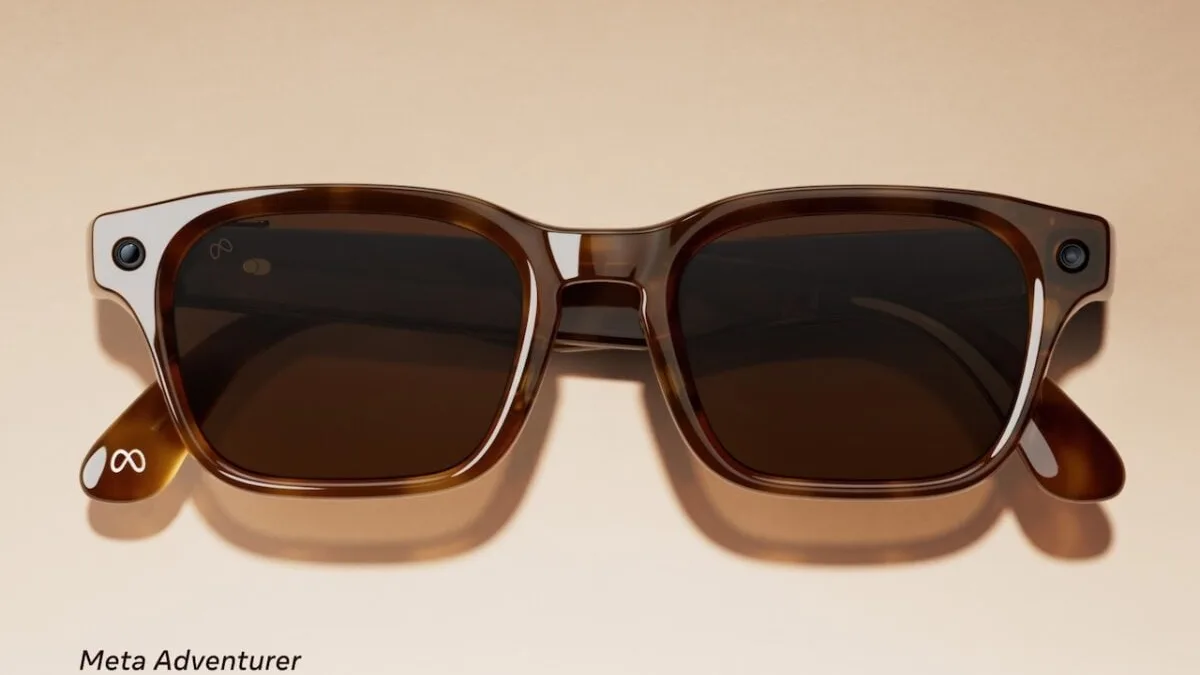
The pressure from Meta is impossible to ignore. Ray-Ban Meta glasses made camera and AI eyewear feel more normal, even without full AR displays. That success changes the baseline for Snap. Specs cannot simply be interesting because they put screens near the eyes. They must show why visual overlays are worth the added complexity compared with audio-first AI glasses that already look like normal eyewear.
That is also why Snap Specs fit beside our earlier look at Galaxy Glasses leaks pointing to display-free AI wearables. The market is splitting into two visions. One path says glasses should stay subtle and use cameras, microphones, and assistants. The other says the display is the whole point. Snap appears to be leaning into the second path, where usefulness has to be visible.
The strongest case for Snap is that it understands camera culture and lightweight social software better than most hardware companies. AR glasses will need moments that feel natural, not just enterprise overlays or navigation arrows. If Snap can turn creation, messaging, and location-aware effects into quick everyday actions, Specs could feel less like a headset and more like a playful tool.
The risk remains comfort and continuity. People forgive a phone for needing a charge because the phone is essential. Glasses have less room for failure. They sit on the face, affect appearance, and compete with prescription frames. Snap Specs are worth watching because they keep the consumer AR race alive, but the real victory will not be launch-day attention. It will be whether people keep wearing them after the first week.