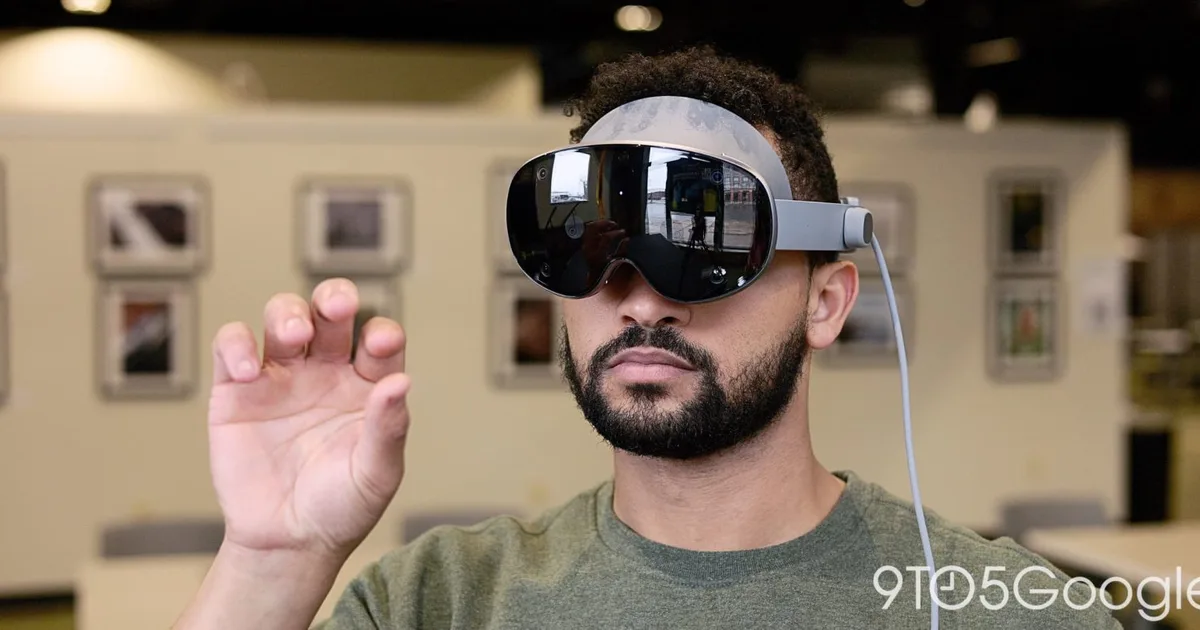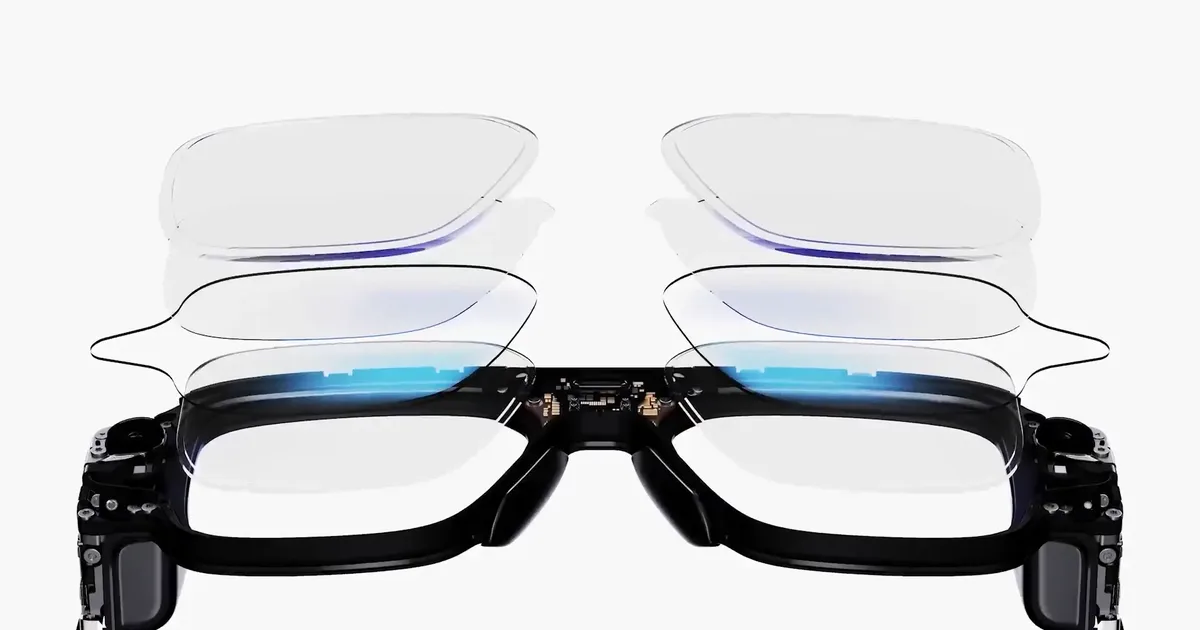
Snap's new SPECS glasses arrive at a difficult but fascinating moment for wearable computing. The market has split into two imperfect camps. Lightweight AI glasses are easier to wear, but they often feel limited. Full headsets can do more, but they are too heavy or too isolating for daily life. SPECS appears to be Snap's attempt to live between those extremes.
That middle ground is exactly where the next AR fight may happen. Consumers do not want to wear a bulky headset just to check information, translate a sign, follow directions, or share a quick visual moment. At the same time, they may want more than audio prompts and a tiny camera. Useful AR glasses need displays, sensors, interaction, and battery life without looking like lab equipment.
The price makes Snap's pitch ambitious. At more than two thousand dollars, SPECS is not a casual accessory. It is closer to an early adopter device, a developer product, or a premium wearable computer. That raises expectations for comfort, app quality, display visibility, and real productivity value. A high price can be justified only if the product does things normal glasses and phones cannot.
cnBeta reported that Snap introduced a new generation of SPECS augmented reality glasses priced at $2,195, positioning the device between simpler AI glasses and heavier headsets. The Chinese report also noted Snap's focus on all-day wearable form and work-and-entertainment use cases.
The wearable question connects with the broader device shift we have tracked around AI and foldable hardware changing mobile workflows. Phones are no longer the only screen companies want to own. Glasses, foldables, tablets, rings, and headsets are all trying to capture moments when pulling out a phone feels less natural.
Snap has an advantage in camera-first social behavior, but AR glasses require more than social sharing. Navigation, real-time context, video calling, creative tools, and spatial apps all need to feel immediate. If SPECS depends on too many niche demos, it will struggle to become more than an expensive curiosity.
Privacy will be another serious test. Camera glasses have always made bystanders cautious. Snap needs visible recording signals, clear data policies, and controls that make people comfortable in public spaces. A wearable computer worn on the face cannot hide from the social contract around cameras.
Even with those challenges, SPECS is worth watching because it asks the right question. What if the future of AR is not a headset replacement, but a wearable that slowly grows beyond phone notifications? Snap may not have the final answer yet, but this launch keeps smart glasses in the center of the gadget conversation.
Battery behavior may become the deciding everyday detail. Glasses cannot rely on the usage habits of a phone, where users expect to charge overnight and occasionally top up during the day. If SPECS is sold as all-day wearable computing, it needs either strong endurance, quick charging, or a case system that makes recharging effortless. Display brightness and heat will matter too. A pair of AR glasses can be technically impressive, but if it becomes warm on the face or dies during a commute, the magic disappears fast.