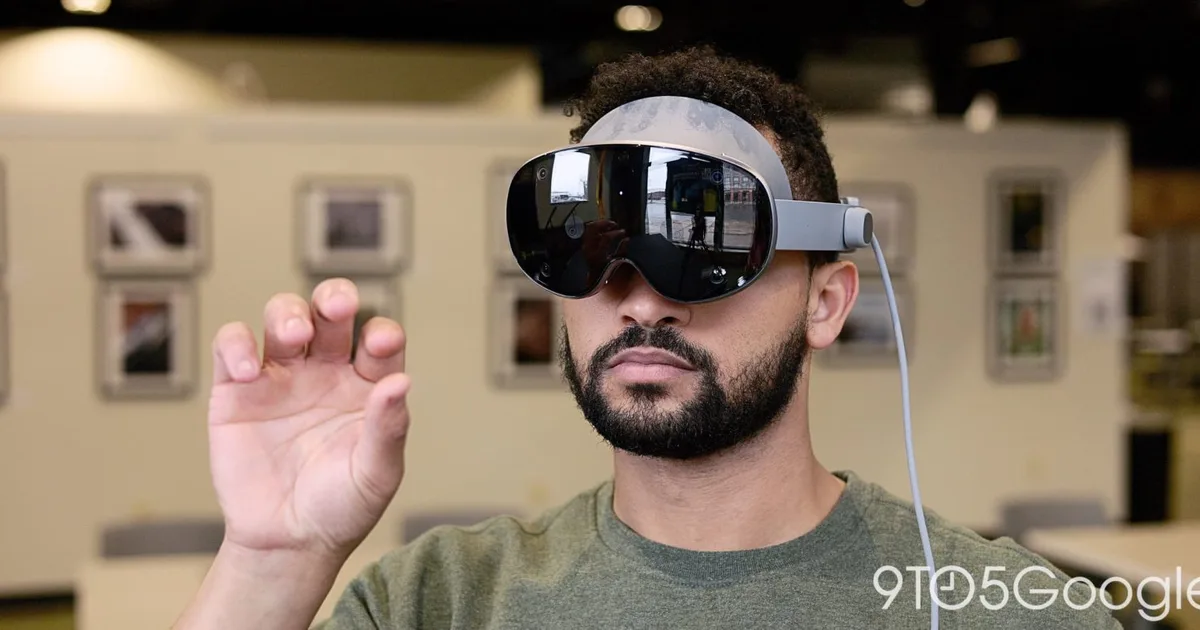
Samsung's Galaxy XR has crossed an important line: it is no longer just a platform promise. UK preorder details make the headset feel like a real product with a calendar, a market, and a buyer in mind. That changes the conversation around Android XR because hardware availability is what separates a platform demo from an ecosystem.
Extended reality devices are difficult to judge before they ship. Spec sheets cannot fully explain comfort, display clarity, controller behavior, app quality, passthrough latency, or whether people will actually wear the device for more than short sessions. But a preorder window tells developers, accessory makers, and early adopters that Samsung is moving from announcement energy to retail discipline.
The UK launch also matters because XR hardware often arrives in narrow waves. A broader release gives the product a better chance to gather feedback, attract app support, and avoid feeling like a regional experiment. Samsung needs that momentum if Galaxy XR is going to stand apart from Meta Quest devices and Apple's high-end spatial computing pitch.
9to5Google reported that Samsung Galaxy XR preorders have opened in the UK, with availability listed for July 8. The timing gives Android XR a clearer consumer milestone and gives buyers a chance to compare Samsung's headset against established VR and mixed-reality alternatives.
There is a natural link to Samsung's broader device experiments, including the Galaxy Z TriFold gadget speculation we have followed. Samsung is trying to stretch beyond standard phones without abandoning the phone ecosystem. Galaxy XR is part of that same push, but it has a harder task because people still need a reason to put a headset on.
The strongest argument for Galaxy XR may be integration. If Samsung can make the headset work naturally with Galaxy phones, tablets, earbuds, smart home devices, and Google services, it can offer a more familiar path into XR than a standalone gaming headset. Android XR's success will depend on those everyday bridges as much as on immersive demos.
Price and comfort remain the unknowns most likely to decide early reception. A headset can be impressive and still fail to become a daily device if it feels heavy, isolated, or too expensive for what people actually do with it. Samsung has to show that Galaxy XR is useful for entertainment, productivity, fitness, communication, and travel, not just for launch-day curiosity.
The preorder news is not a review, but it is a real step. It tells us Samsung is ready to put Galaxy XR in front of paying customers, and that makes the headset one of the more important gadget launches to watch this summer. Android XR finally has a chance to prove whether it can become a living platform rather than another promising headset idea.
Developer confidence is the other reason this rollout matters. A headset platform cannot survive on first-party demos alone; it needs video services, fitness apps, productivity tools, games, education software, and creative utilities that feel native. Preorders give developers a clearer signal that there will be customers to build for. If Samsung and Google can turn early hardware availability into a steady software pipeline, Galaxy XR has a better chance of avoiding the empty-store problem that has hurt past headset launches.