The reported move of an Apple Vision Pro executive to OpenAI is the kind of personnel story that reveals a larger product shift. AI companies no longer look satisfied with living entirely inside browser tabs, phone apps, and API calls. They want hardware instincts, sensor knowledge, manufacturing discipline, and interface taste. That makes people with spatial computing experience unusually valuable.
Apple Vision Pro may not have become a mass-market headset overnight, but it forced Apple to solve difficult problems around displays, cameras, hand tracking, operating systems, latency, and comfort. Those skills map naturally to any company trying to imagine an AI-native device. A useful AI gadget cannot simply be a chatbot in a new shell. It has to understand context without making interaction feel exhausting.
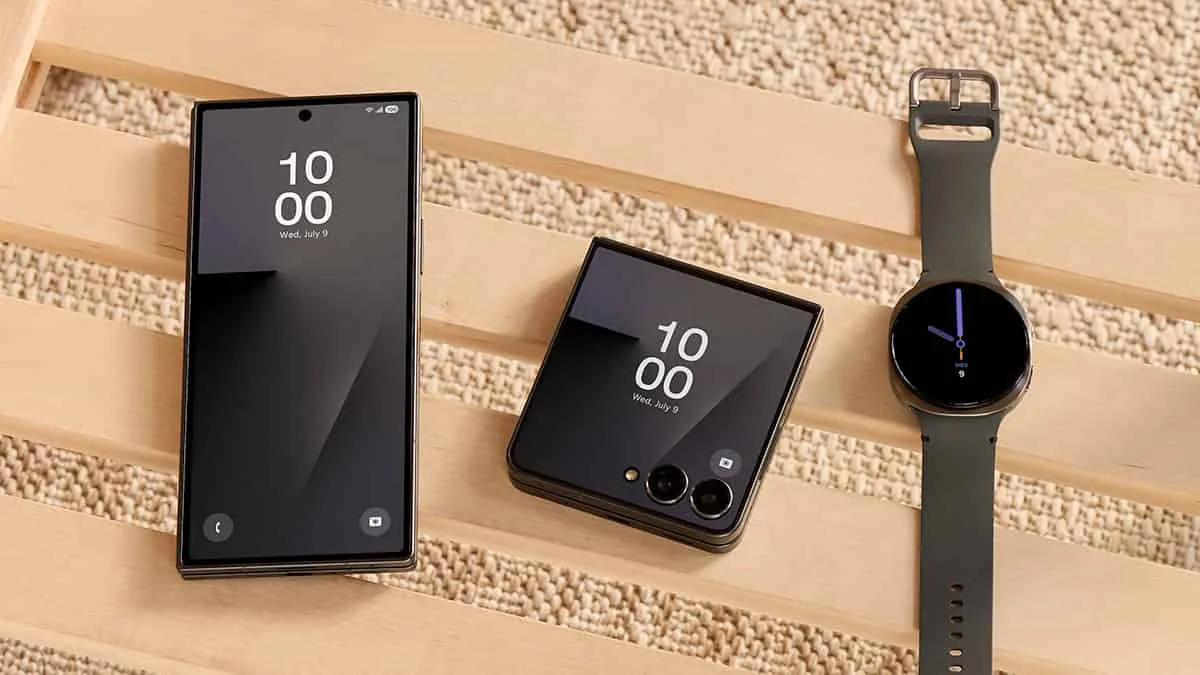
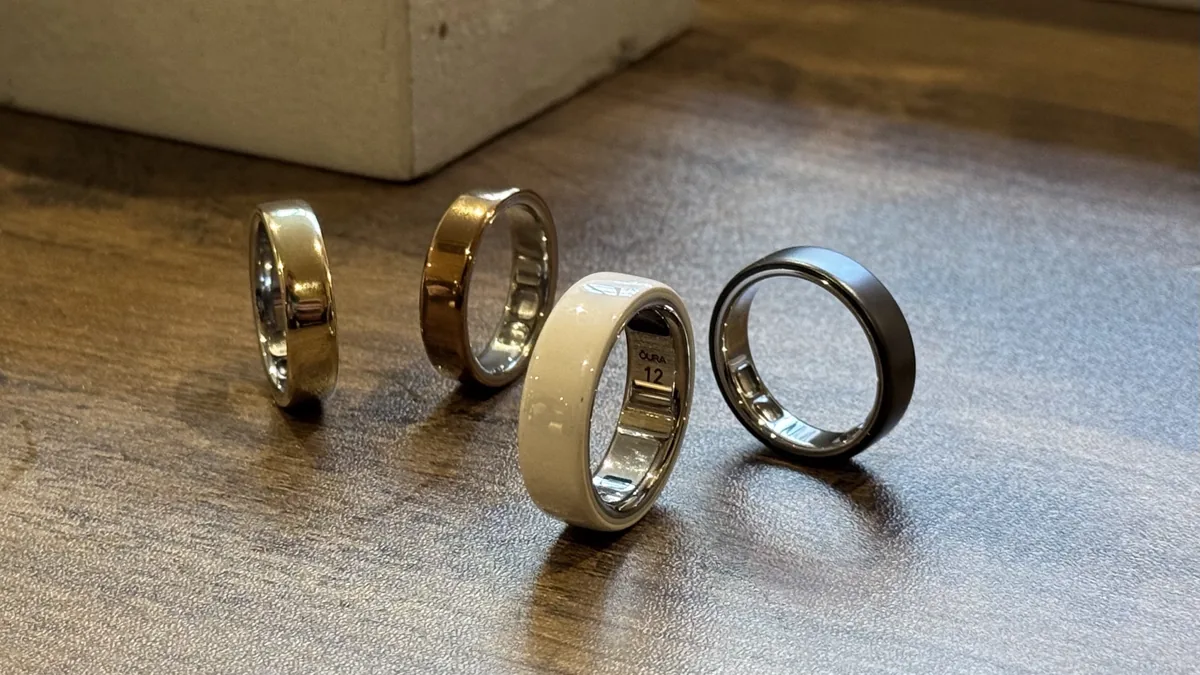
That is why this story connects with our earlier look at AI glasses pressure on the wearable market. The market is not waiting for one perfect form factor. It is testing glasses, pins, earbuds, wrist devices, foldables, and mixed-reality headsets to see where AI assistance feels natural instead of intrusive.
TechCrunch reported the executive's planned departure for OpenAI. Even without knowing the exact product roadmap, the direction is easy to read: OpenAI wants more hardware maturity as it thinks beyond software subscriptions and developer access.
The difficult part is that AI hardware has already produced several awkward first attempts. Devices can fail when they lack a clear job, depend too heavily on cloud latency, record too much of the world, or ask users to learn a new behavior for a weak payoff. Apple veterans understand that hardware success depends on defaults, fit, battery life, thermal design, privacy cues, and retail trust as much as raw intelligence.
If OpenAI is serious about consumer devices, hiring hardware people is the quiet step before the loud one. Models create the capability, but hardware decides whether that capability belongs in a pocket, on a face, on a desk, or nowhere at all. That is why one executive move can matter: it hints at how quickly AI companies are becoming product companies.
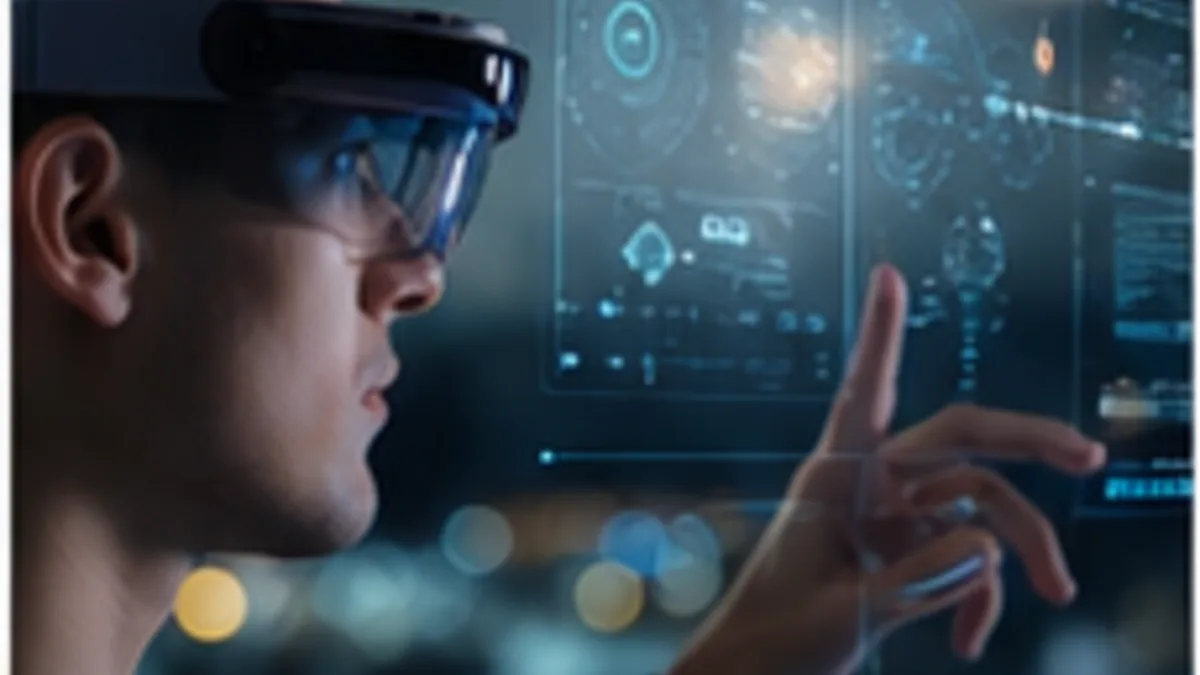
Talent moves like this matter because spatial computing and AI hardware now overlap. A headset is no longer just a display strapped to a face; it is a bundle of cameras, sensors, microphones, inference models, and interface decisions. Someone who understands Apple's hardware discipline can help an AI company avoid building a clever demo that feels uncomfortable, fragile, or unfinished in daily use.
For Apple, the risk is not only losing one experienced executive. The bigger concern is whether AI-native hardware starts defining the next interface before Vision Pro becomes lighter, cheaper, and more social. Apple still owns deep silicon, retail, privacy messaging, and developer tooling, but OpenAI has captured the imagination around assistants that feel less like apps and more like companions for work.
The move should be read as pressure on both sides. OpenAI has to prove it can turn model intelligence into a physical product people actually want to carry or wear. Apple has to show that its careful hardware cadence can keep pace with a market that now expects AI features to arrive quickly and feel useful immediately.