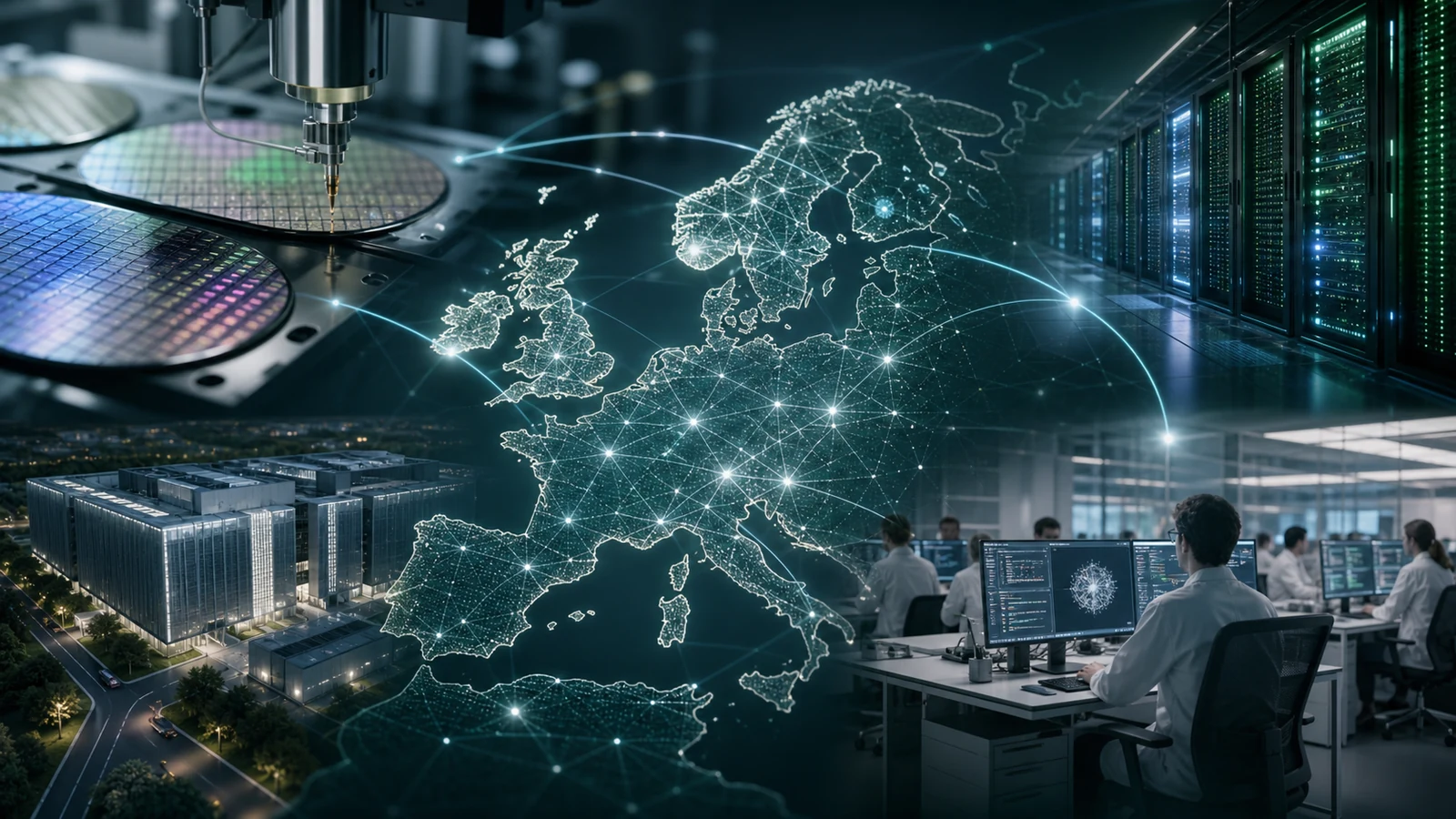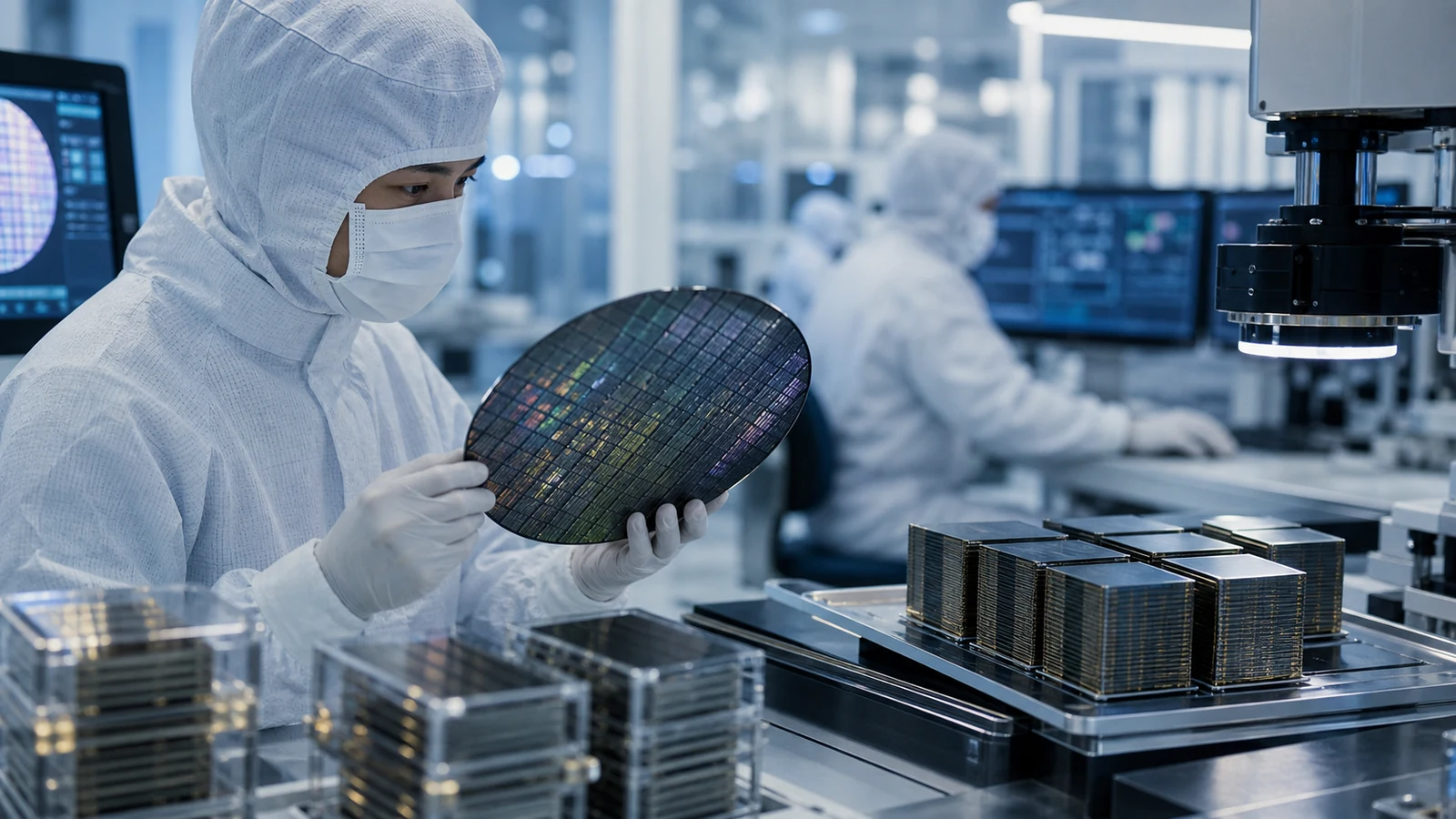
Europe wants more control over its technology future, but ASML is warning that control can become counterproductive if Brussels tries to steer too much from the center. WHTC, carrying Reuters reporting, said ASML CEO Christophe Fouquet welcomed much of the EU's tech sovereignty package while cautioning against Commission involvement in directing or monitoring strategic projects eligible for state aid.
That is a serious signal because ASML is not just another European tech company. Its lithography machines sit at the heart of advanced chip manufacturing. If Europe wants stronger semiconductor capacity, AI infrastructure, cloud services, and strategic autonomy, it needs companies like ASML aligned with the plan.
This also connects to the custom-infrastructure trend we covered in Broadcoms AI XPU push. Chips are no longer generic background parts. They are industrial policy, national security, cloud economics, and product strategy all at once.
The hard part of tech sovereignty
Europe's goal is understandable. The continent does not want to depend too heavily on foreign suppliers for chips, AI systems, cloud capacity, and energy-critical technologies. But turning that goal into working factories, supply chains, and customer demand is difficult. Too little public support and projects may not scale. Too much bureaucratic control and projects can slow down or miss real market needs.
| Policy goal | Useful support | Risk to avoid |
|---|---|---|
| More chip capacity | Fast permits, incentives, skilled labor. | Projects designed for politics instead of demand. |
| European cloud | Clear procurement and anchor customers. | Fragmented platforms with weak adoption. |
| AI infrastructure | Power planning and shared compute access. | Rules that make deployment too slow. |
| Industrial resilience | Supplier diversity and long-term contracts. | Duplicating supply chains without scale. |
Fouquet's point is not that government should do nothing. It is that strategic projects need to respond to industry needs. In semiconductors, technical details matter. A program that looks tidy in a policy document can fail if it does not match what customers, fabs, equipment makers, and suppliers actually need.
The challenge for Europe is that semiconductor timelines are long while AI demand is moving quickly. A fab decision made today may shape capacity years from now. Equipment orders, cleanroom construction, workforce training, chemistry supply, and customer qualification all take time. If public programs are slow or unclear, private companies may choose easier locations before the policy machinery finishes its work.
What to watch next
The next test is how Europe turns broad sovereignty language into actual project selection. Which chip nodes get support? Which customers commit to buying? How fast can permitting and energy access move? How much flexibility do companies get once public money is involved?
For technology companies, the message is that policy will matter more, but policy alone will not create competitiveness. Europe needs strong companies, patient capital, engineering talent, energy planning, and customers willing to buy local options even when global alternatives are easier.
That last point is important. Sovereignty projects fail when they produce expensive capacity that nobody wants to use. They work when public money reduces a real bottleneck and private customers show up. ASML's warning is useful because it pushes the debate back toward execution, demand, and speed instead of only ambition.
There is also a skills issue. Advanced chip projects need technicians, process engineers, software experts, optics specialists, and supply-chain teams. Subsidies can buy equipment, but they cannot instantly create the workforce needed to run it well.
The practical takeaway is that Europe's tech sovereignty push is not a slogan problem. It is an execution problem. ASML's warning is useful because it points to the real risk: trying to build strategic technology with processes that move slower than the technology itself.