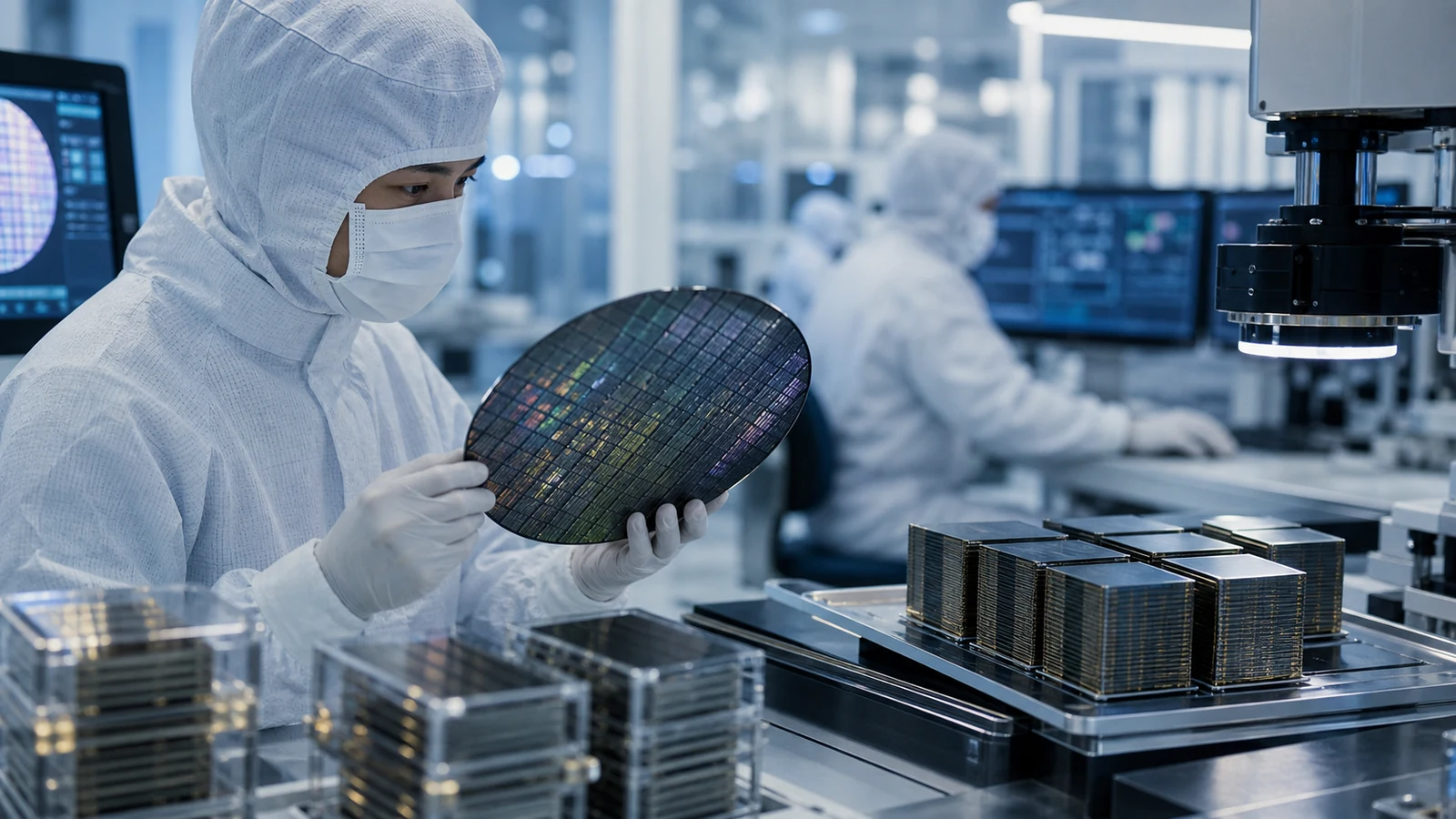
SK Hynix's long-range capacity plan shows that AI infrastructure is not only a GPU story. Memory is one of the scarce fuels of the AI boom. High-bandwidth memory, advanced DRAM, storage, packaging, and supply reliability all decide how fast data centers can grow. A model can have brilliant architecture and still be limited by memory capacity, bandwidth, and power. That gives memory suppliers strategic importance they did not always enjoy in public AI discussions.
The plan to greatly expand capacity by 2034 is also a bet on demand durability. Memory cycles can be brutal. Suppliers know what happens when capacity arrives after demand softens. But AI workloads are changing the calculation because training, inference, recommendation systems, video generation, robotics, and cloud services all consume memory in different ways. If AI adoption continues, customers will need more than headline GPUs. They will need massive memory supply behind them.
SK Hynix has been especially important in high-bandwidth memory, where AI accelerators depend on tightly integrated memory stacks. That market rewards technical execution and close relationships with accelerator makers. Capacity planning is therefore not just about building more commodity chips. It is about aligning production with the most valuable parts of the AI hardware stack.
Huawei Central reported that SK Hynix is targeting a tripling of chip capacity by 2034. The long timeline is important because fabs, equipment, skilled labor, and advanced packaging capacity cannot be added overnight. Today's AI demand is forcing decisions that will shape supply many years from now.
For cloud providers, memory supply affects cost and availability. If high-end memory remains tight, AI server prices stay high and deployment schedules stretch. If suppliers overbuild, prices can fall and accelerate adoption. That makes memory one of the key variables in AI economics, even when investors focus mostly on model companies and GPU vendors.
The broader lesson is that the AI supply chain is layered. Power, land, cooling, networking, chips, memory, and software all have to arrive together. A shortage in any one layer can slow the whole stack. SK Hynix's capacity plan is a reminder that the next AI race may be won as much in fabs and packaging lines as in model labs.
Memory demand also affects smaller AI companies. When the largest cloud providers reserve supply, startups can face higher prices or delayed access. That can influence which models get trained, which products launch, and which companies survive. Supply-chain decisions made by memory vendors can ripple all the way into the software market.
The environmental side cannot be ignored either. More memory capacity means more fabs, more water, more chemicals, and more power use across the supply chain. AI growth is already under pressure from energy concerns. The memory industry will have to expand while proving that efficiency, recycling, and cleaner manufacturing are not secondary issues.
Investors should watch customer concentration too. If a small group of AI giants absorbs the best memory supply, SK Hynix can benefit, but it also becomes more exposed to their spending cycles and roadmap changes.