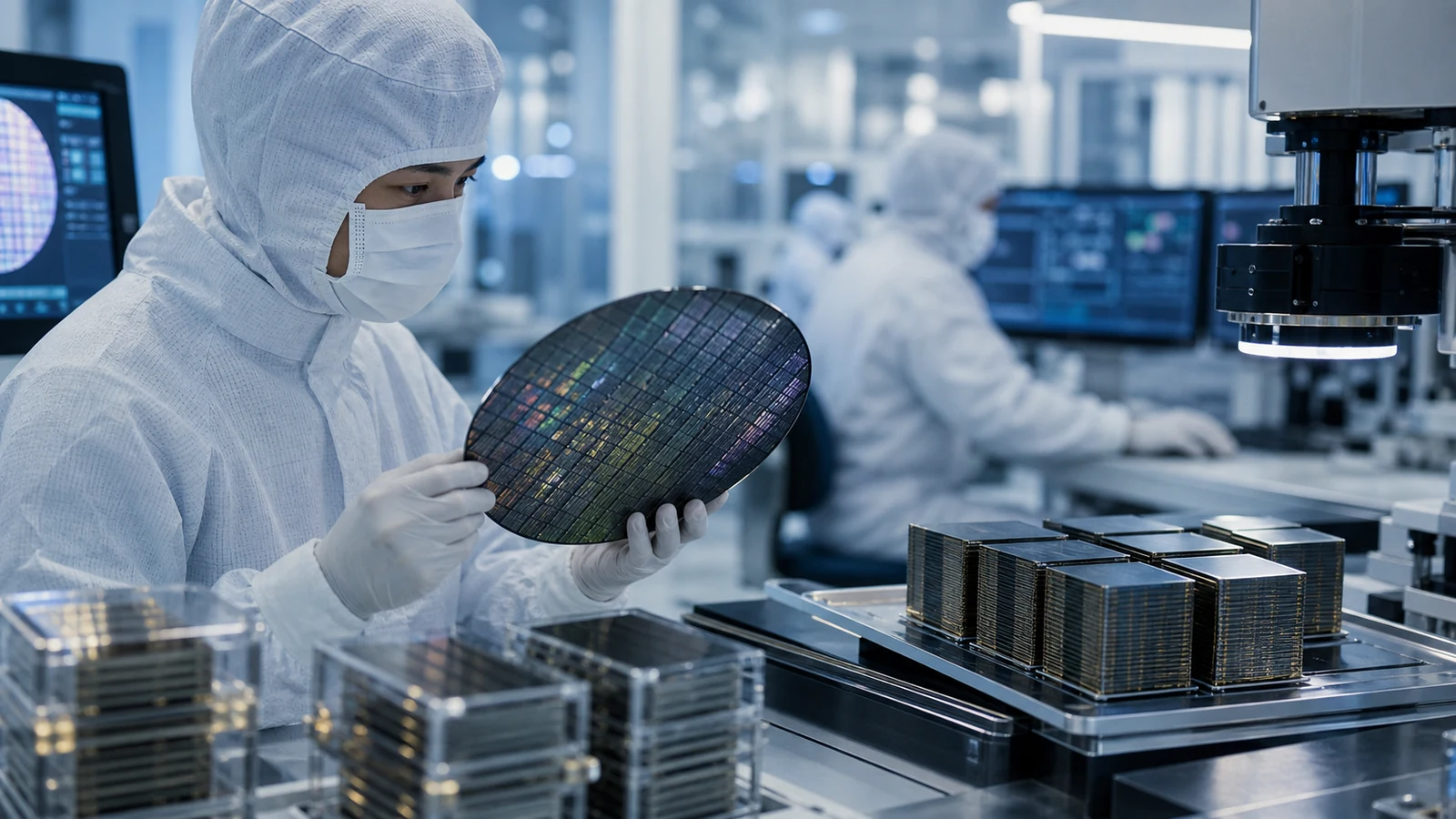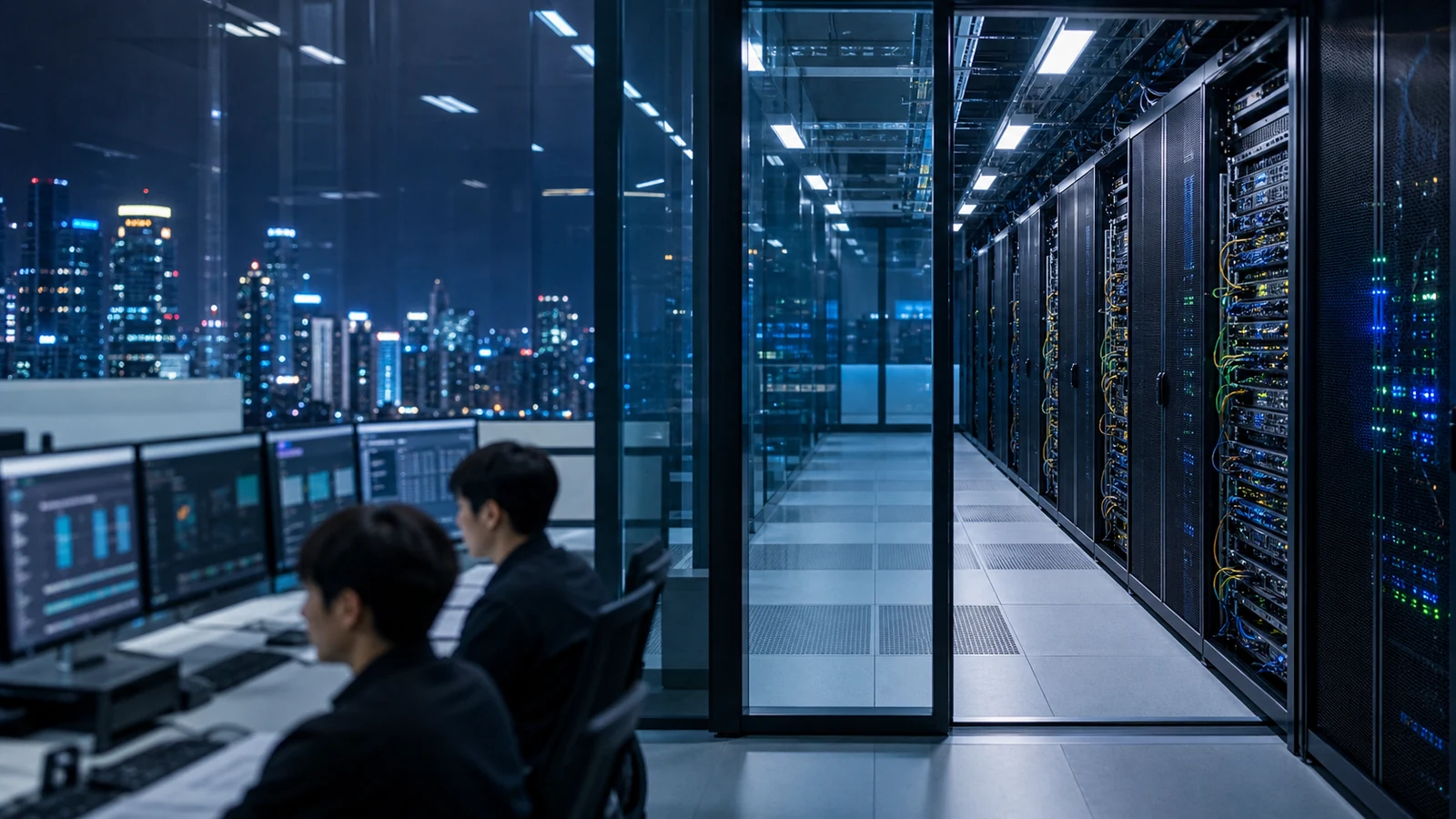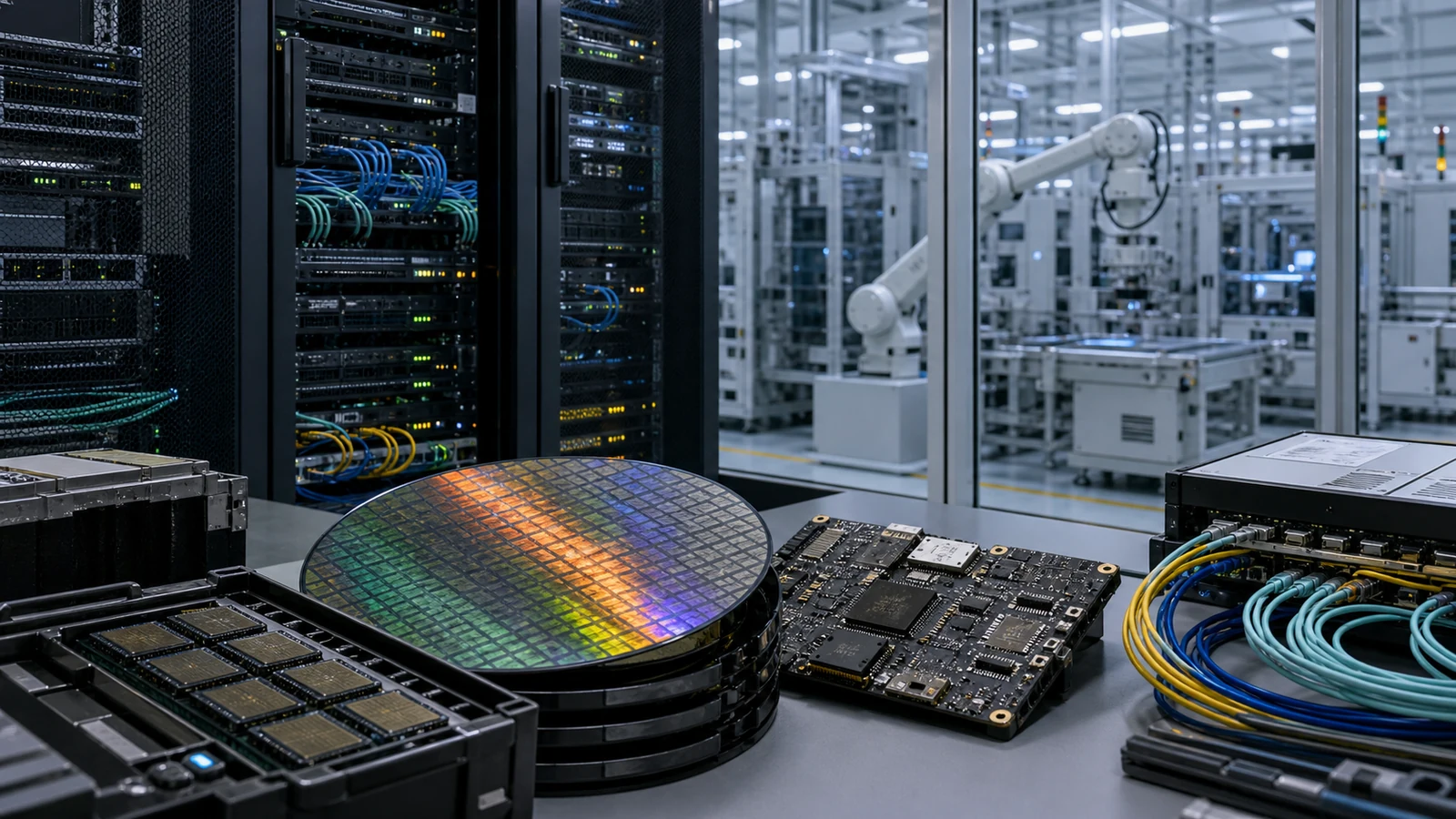
Nvidia's Korean partnerships show that AI infrastructure is no longer just a chip story. The reported work with SK hynix, Naver, Doosan, and other Korean players points to a wider system where memory, cloud platforms, telecom networks, robotics, and industrial computing all become part of the same AI buildout.
That is an important shift because modern AI systems depend on more than accelerators. They need high-bandwidth memory, fast networking, reliable data centers, software platforms, manufacturing expertise, and customers with enough real-world use cases to justify the cost. Korea has strong pieces across that chain.
Patriotic Tech recently covered how custom AI infrastructure is reshaping cloud hardware. Nvidia's Korea push is the complementary story. Instead of only designing chips, the company is helping line up the surrounding ecosystem that lets those chips become deployed capacity.
Memory is the quiet pressure point
AI models are hungry for memory bandwidth. That makes companies like SK hynix strategically important because high-bandwidth memory has become one of the bottlenecks in AI hardware supply. If Nvidia deepens relationships with memory suppliers, it can help stabilize the stack that its customers rely on.
Naver adds another layer because national platforms want AI capacity for search, commerce, maps, productivity, media, and enterprise products. Doosan and industrial partners bring physical AI into the conversation, where models are used around factories, robots, energy systems, and heavy equipment. That takes AI beyond chat interfaces and into operational technology.
The partnerships also show how governments and companies are trying to localize more of the AI value chain. Countries do not want to be only customers of foreign AI services. They want local platforms, local infrastructure, and local industry upgrades. Nvidia benefits because it sells into that ambition while keeping its ecosystem central.
The risk is concentration. The more AI infrastructure depends on one platform, the more customers and countries have to think about supply resilience, pricing power, and alternatives. For now, though, Nvidia's advantage is not only the GPU. It is the network of companies building around the GPU.
These deals also make the supply chain more visible to ordinary technology buyers. When an AI service feels slow or expensive, the reason may be memory supply, power availability, network capacity, or data center buildout rather than the model alone. Nvidia understands that controlling the experience means influencing those upstream constraints. Korean partners bring pieces that are hard to replace quickly, especially memory and industrial deployment knowledge. That gives the partnerships strategic weight beyond a press-cycle alliance. They are about making sure the next wave of AI systems can actually be manufactured, powered, connected, and used in real businesses.
Investors should watch whether these partnerships produce deployed systems rather than only announcements. The real proof will be capacity online, memory supply secured, and Korean enterprises using the infrastructure in production.
That production test is what separates infrastructure strategy from conference-stage ambition. The partnership details described by SiliconANGLE only become strategically important if they shorten deployment times or improve unit economics for customers that need AI at scale.