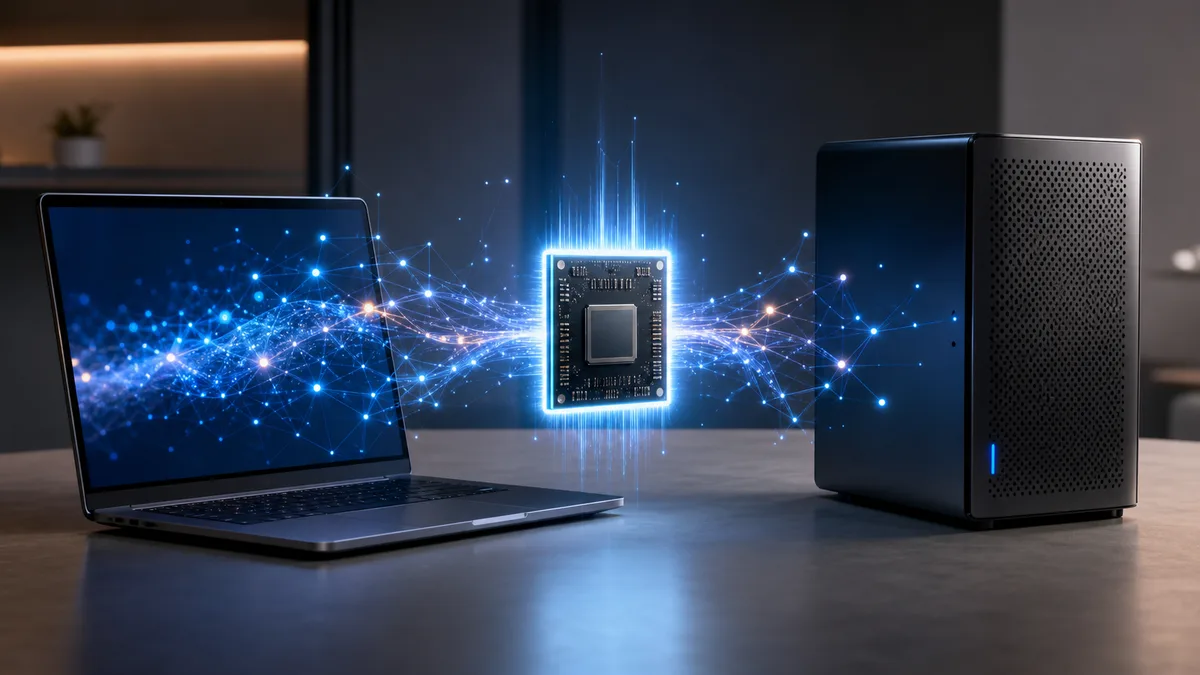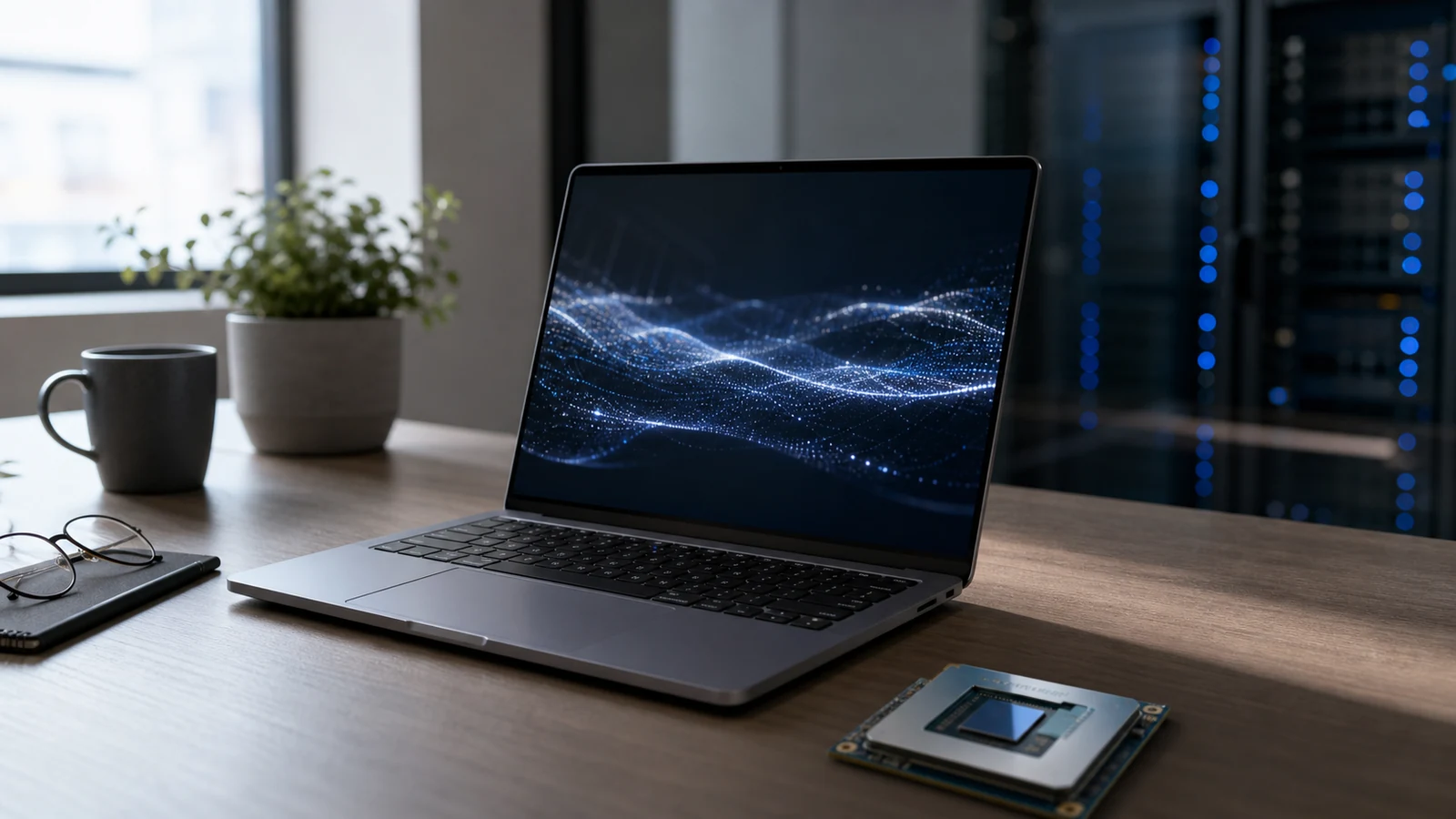
Nvidia's laptop chip push is a bet that AI cannot live only in the cloud. That does not mean the cloud is going away. It means the industry is looking for a better split between local response, privacy, cost control, and heavy remote compute. Laptops with stronger AI hardware can handle smaller models, personal assistants, creative tools, coding help, and offline workflows without sending every request away.
The local AI argument is strongest when latency and privacy matter. A machine that can summarize a document, clean audio, generate draft images, search local files, or assist with code without a network round trip feels more responsive. It can also reduce cloud costs for tasks that do not need a massive model.
This fits the same device trend behind local agentic AI workstations. The enterprise version is a workstation or appliance. The consumer version is a laptop that can run useful models directly. Both are attempts to avoid treating the cloud as the only place intelligence can happen.
Why the cloud still matters
Local AI has limits. Large frontier models require huge memory, power, and specialized infrastructure. Enterprise teams also need centralized governance, audit logs, model routing, security controls, and integration with cloud data. A laptop chip can make daily AI smoother, but it cannot replace every training cluster or enterprise inference platform.
The more realistic future is hybrid. A laptop handles quick, private, low-latency tasks. The cloud handles bigger reasoning jobs, shared agents, enterprise data access, collaboration, and workloads that need constantly updated models. The value of Nvidia's chip bet is not that it kills the cloud. It makes the cloud less overloaded and gives users better default experiences.
Battery life and thermals will decide how useful this becomes. An AI laptop that burns power too quickly will not feel intelligent. The best implementation will run lightweight tasks efficiently and escalate only when needed. That requires good software orchestration, not just silicon.
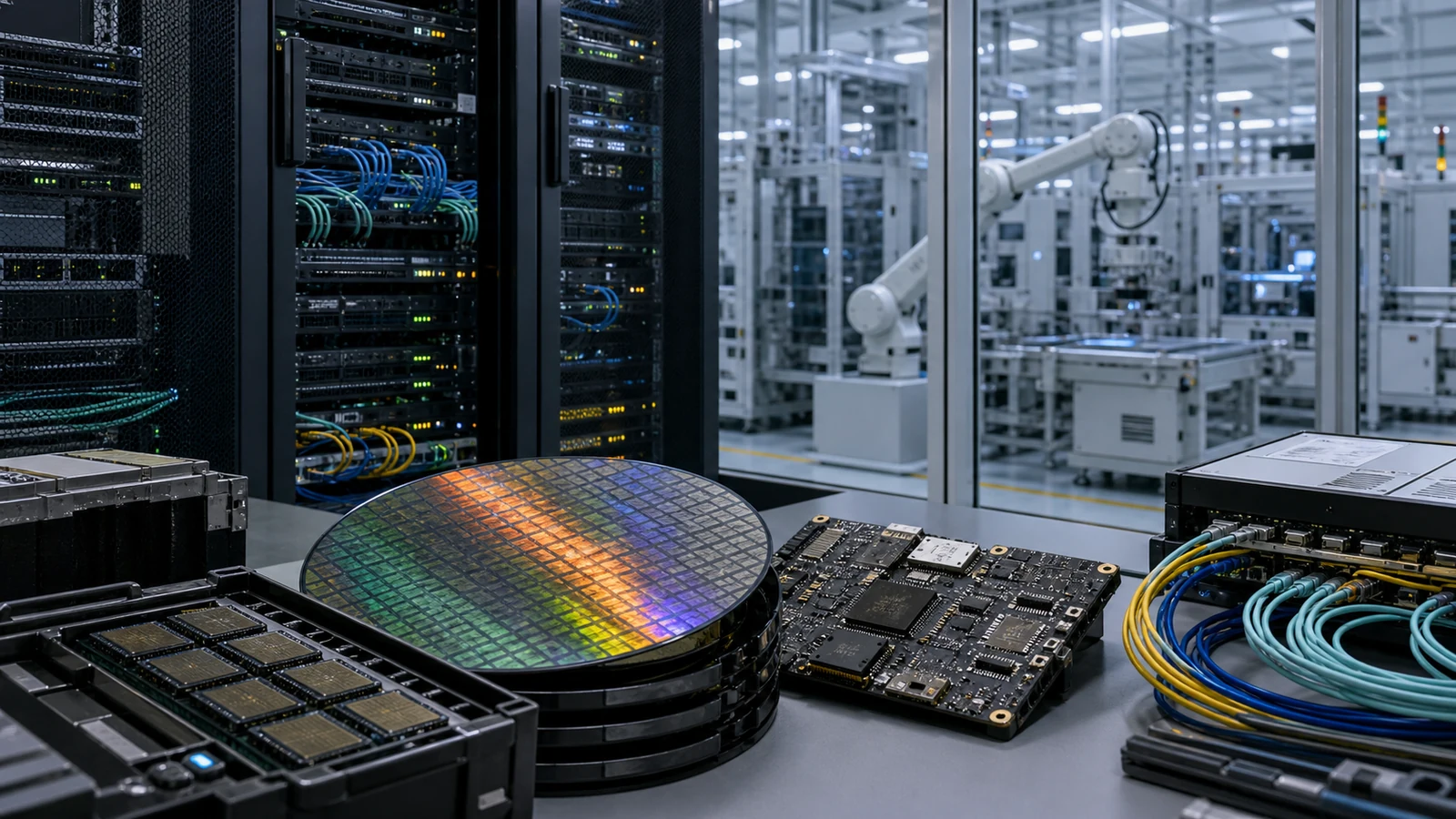
Nvidia has a strong reason to push both sides. It sells into giant AI data centers and also wants the PC market to need dedicated AI hardware. If local AI becomes normal, the company expands the number of devices that require its stack. The cloud remains essential, but the edge becomes more valuable.
Software vendors will decide how quickly users notice the difference. If creative suites, developer tools, browsers, office apps, and security products offload routine AI tasks to local hardware, the benefit becomes obvious. If apps keep sending everything to remote models, the chip becomes another underused capability. Microsoft, Adobe, Google, and smaller developers all have incentives to use local acceleration when it lowers cost or improves responsiveness. The challenge is fragmentation. Different chips, model formats, memory limits, and driver stacks can make deployment messy. Nvidia is betting that its ecosystem can make local AI easier to target than a scattered collection of generic accelerators.
Consumers may not care which model runs locally and which model runs remotely. The chip strategy described by Yahoo Finance will only matter to them if the laptop feels faster, protects private files, and keeps battery life steady while AI features run in the background.