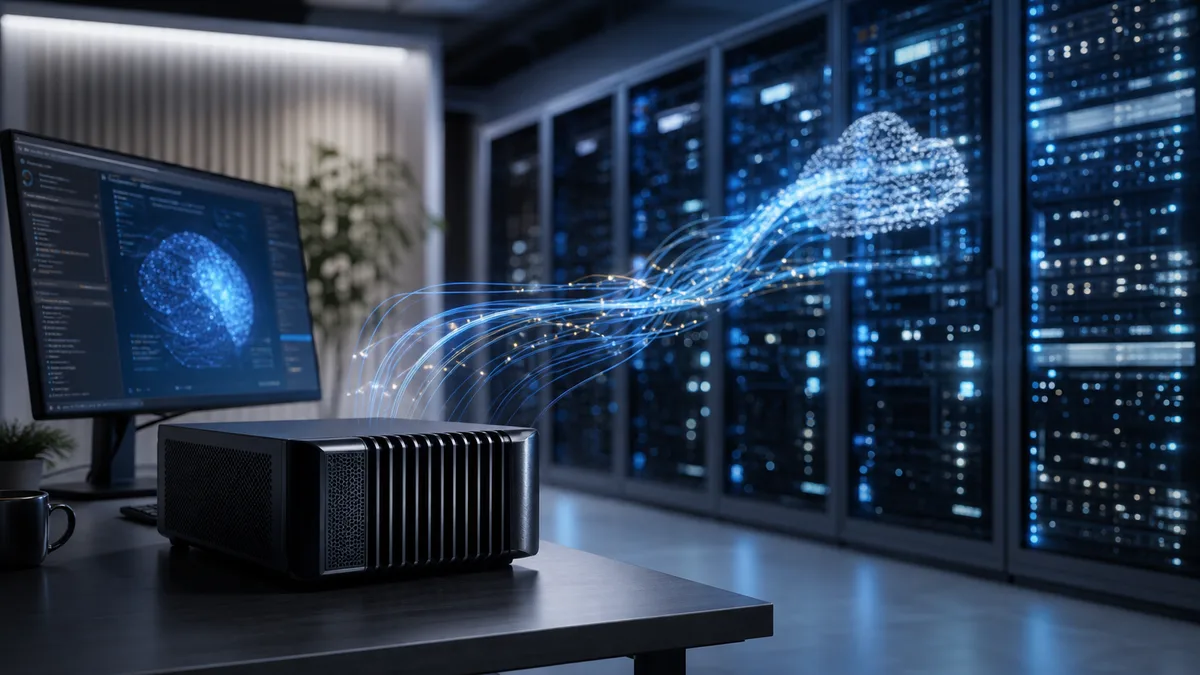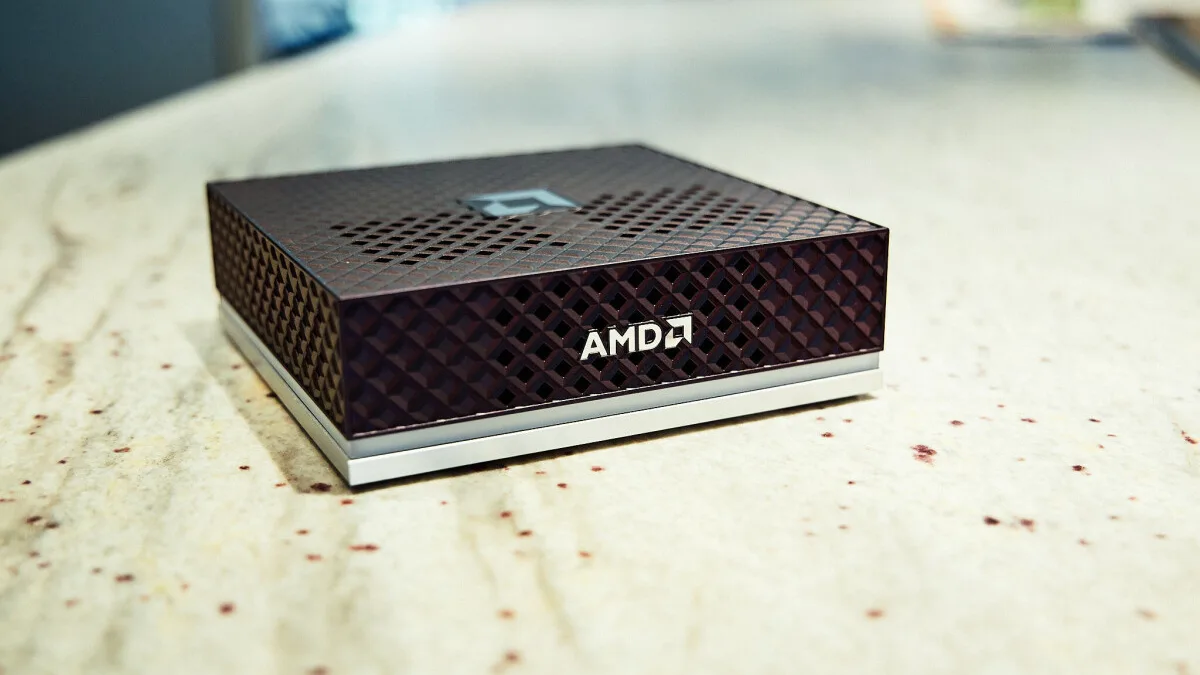
The Ryzen AI Halo local AI report lands in the middle of a bigger question about AI PCs: how much performance should live on the device, and how much should remain in the cloud? AMD's high-end silicon makes the local argument stronger, but it also makes the cost question harder to ignore.
Local AI has obvious appeal. It can reduce latency, keep sensitive data closer to the user, work without constant connectivity, and avoid some recurring cloud charges. The catch is that serious model performance needs memory bandwidth, cooling, battery headroom, and a device price that many buyers will notice.
The story connects with our coverage of AI spreading into everyday hardware. The same trend reaches from simple phones to expensive workstations, but the value equation changes dramatically at each price point.
The Register framed Ryzen AI Halo around the promise and cost of doing more AI locally. That is the right tension, because the hardware is not only a benchmark story; it is a test of whether buyers will pay for independence from cloud models.
The technical case is strongest for developers, researchers, media workers, and companies handling private data. Running models locally can make prototyping safer and faster, especially when the tasks involve code, documents, images, or internal records that should not leave the machine.
For ordinary laptop shoppers, the value is less obvious. If the best AI features still arrive through online services, then expensive local hardware can feel like unused capacity. PC makers need software that makes the NPU and integrated GPU useful on day one.
AMD also has to compete with Apple, Intel, Qualcomm, and Nvidia-adjacent systems that all describe their chips as AI-ready. The winning platform will not be the one with the loudest label, but the one with tools developers actually target.
There is a practical energy tradeoff too. Local inference can save cloud cost, but it still consumes battery and produces heat. A laptop that runs a model well on a desk may not feel as impressive on a long flight if performance throttles quickly.
The next signal to watch is software adoption: local assistants, creative tools, coding helpers, and enterprise apps that explicitly support Ryzen AI Halo-class hardware. Without that layer, the chip risks becoming impressive but underused.
A local AI machine can also become valuable for compliance-heavy teams. Lawyers, engineers, health workers, and finance staff often handle information that should not be casually sent to consumer cloud tools. If a powerful laptop can run acceptable local models, the device becomes part of a data-protection strategy rather than only a performance purchase.
Still, local AI has to be easy. Most users will not manage model files, quantization settings, memory allocation, or command-line tools. The winning PC experience will hide that complexity behind normal applications, while still giving technical users enough control to choose models, audit outputs, and keep sensitive work offline.
The report shows that local AI is no longer a fringe idea. It is becoming a premium PC feature. The challenge now is proving that the premium buys real control, not just a bigger number on an AI spec sheet.