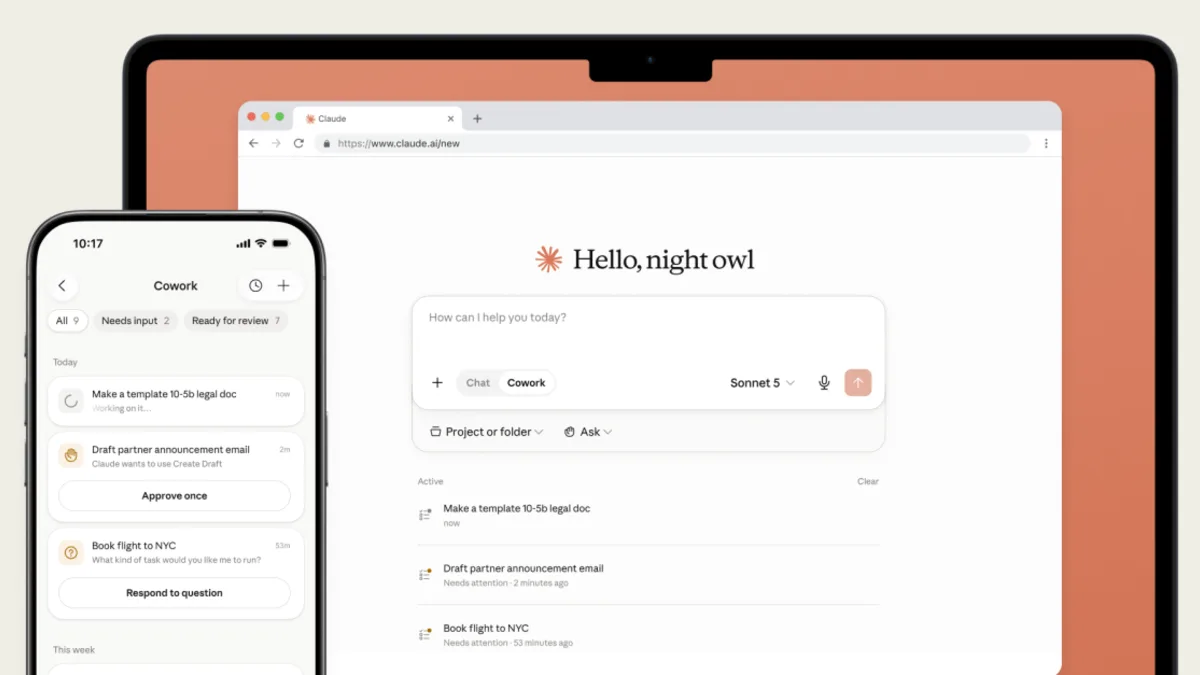
The Claude tracker report is important because AI safety is moving from principle statements into measurable behavior. Companies can say a model is safer, more honest, or less manipulative, but users and regulators increasingly want evidence that can be checked over time instead of one polished launch document.
Anthropic has built much of its public identity around safety and constitutional training, which raises the expectations attached to any tracker-style disclosure. A company that sells trust as a feature has to make that trust visible when models change, refuse, comply, or behave unexpectedly.
The story pairs naturally with our earlier coverage of trust in AI coding tools. Whether the model is writing code or answering general questions, users need some way to understand limits before the model's confidence becomes a liability.
Ars Technica placed the Claude tracker in the wider debate over monitoring model behavior, which is the useful part of the report. The issue is not one scorecard; it is whether AI companies can make safety legible without hiding behind vague language.
The technical challenge is that model behavior is not static. Updates, system prompts, retrieval tools, policies, and user patterns can all change outcomes. A tracker has to account for drift, not just summarize a frozen benchmark.
For enterprise buyers, this kind of reporting can influence procurement. A legal team, hospital, school, or bank may not need every model detail, but it needs a reliable way to see whether the system is improving, regressing, or changing rules without notice.
There is also a communications risk. If trackers become marketing pages, users will learn to ignore them. The useful version would include uncomfortable results, incident explanations, and clear changes in refusal behavior or tool-use safety.
Anthropic's rivals will be watching closely. If transparent behavior tracking becomes a customer expectation, OpenAI, Google, Meta, and smaller labs may face pressure to publish more than benchmark wins and safety summaries.
The next test is consistency. One report can be helpful, but recurring updates with comparable methods are what turn safety talk into a real trust system. Without that cadence, a tracker becomes another launch artifact.
A useful tracker should also make regressions visible. Users know software changes, but AI behavior changes can be harder to see until something goes wrong. If a model becomes more permissive, more cautious, or more likely to answer a risky class of question, customers need a timeline that explains the shift in normal language.
There is a wider ecosystem benefit too. Public behavior tracking gives researchers, journalists, and enterprise buyers a shared reference point. They may still disagree about the right safety threshold, but they can argue from visible evidence rather than relying only on private vendor assurances or isolated social-media examples.
Anthropic will also need to decide how much detail is safe to publish. Too little detail makes the tracker feel decorative, while too much can help people probe weak spots. The useful middle ground is clear categories, plain explanations of major changes, and enough historical data for customers to notice whether a model is drifting in ways that matter to them.
The broader point is simple: AI safety is becoming a product feature that users can evaluate. Claude's tracker story matters because it asks whether a model company can show its work when trust is the thing it is selling.