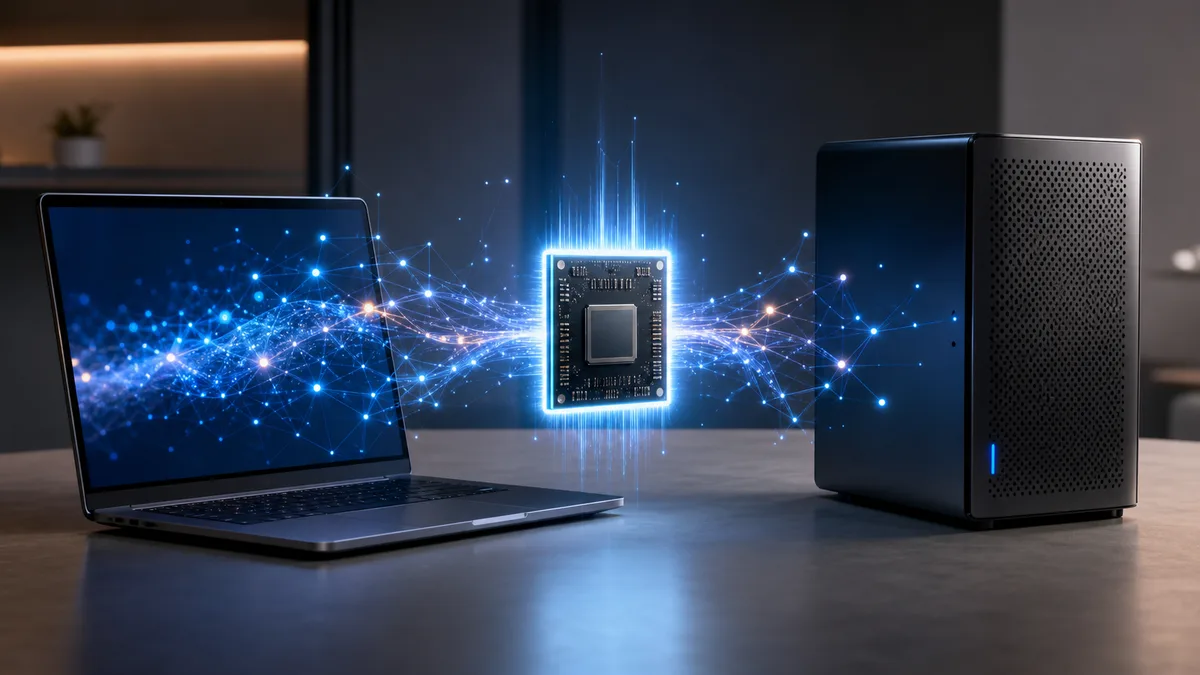
Local AI computing is becoming one of the most important questions for the PC industry. For the last few years, the most capable AI systems lived in cloud data centers, while personal computers mainly acted as clients. That model works for many tasks, but it has limits around latency, privacy, cost, offline use, and user control.
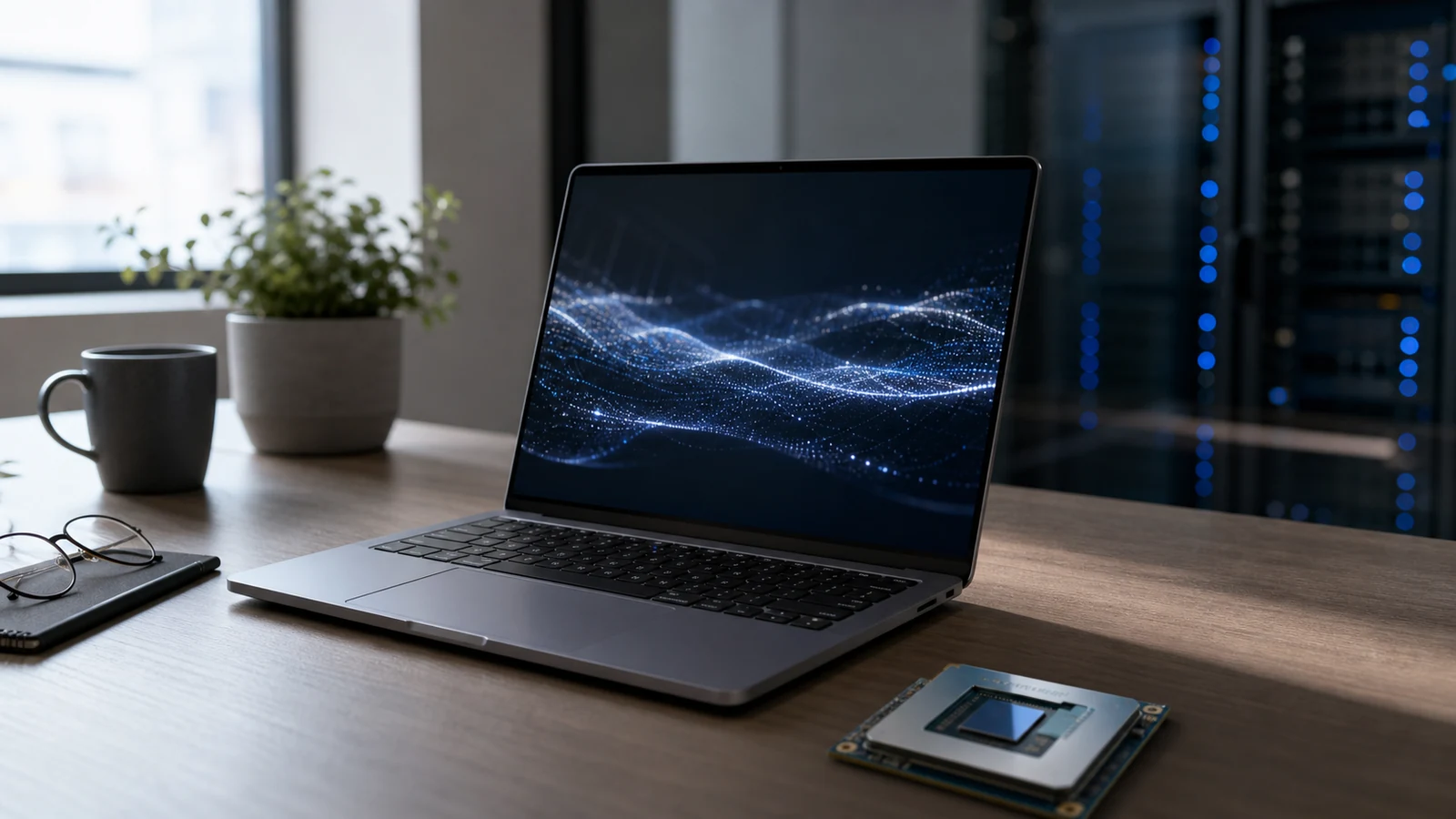
RTX Spark is interesting because it points toward PCs that can run more advanced AI work locally. That does not mean every laptop becomes a training cluster. It means more inference, agent behavior, creative generation, code assistance, and data processing can happen on the device instead of being sent away by default.
The change could reshape expectations. A PC with strong local AI hardware can respond faster, keep sensitive files closer to the user, and reduce recurring cloud dependence for some workflows. For developers and creators, it can also provide a sandbox for experiments before work moves to larger infrastructure.
The Guardian reported that Nvidia launched an RTX Spark superchip to put AI power into laptops and PCs, working with Microsoft and hardware partners. The report framed the move as Nvidia pushing beyond graphics and data center accelerators into the future of personal computing.
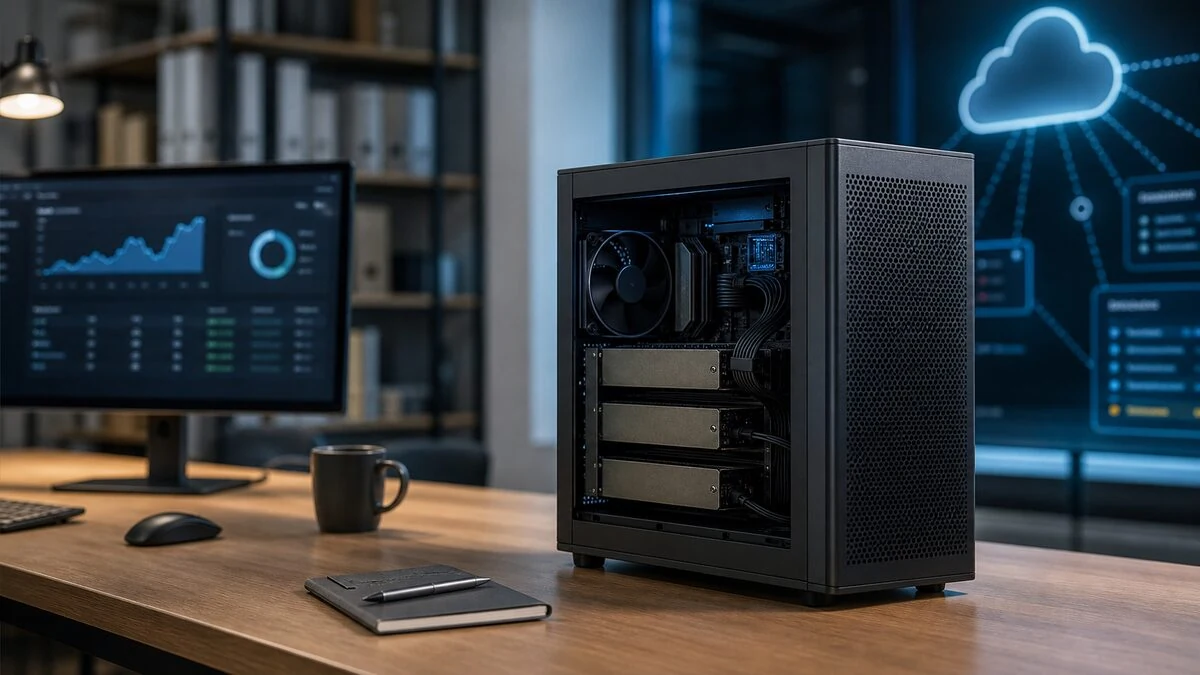
The local AI theme connects directly with our Dell deskside agentic AI article. Both stories show that AI will not live in one place. Some workloads will stay in hyperscale clouds, some will run on deskside systems, and some will move onto everyday PCs.
The software ecosystem will decide how much of this matters. Hardware alone does not create a new computing era. Users need operating-system features, secure agent frameworks, developer tools, model runtimes, and applications that make local AI feel useful rather than ornamental.
Privacy may become a selling point. If a computer can analyze documents, summarize local files, or automate personal workflows without sending everything to a remote service, users and businesses may see real value. But that only works if vendors make permissions clear and prevent local agents from becoming a new security risk.
RTX Spark is part of a broader PC reset. The market needs a reason for people to care about new machines beyond battery life and display quality. Local AI could become that reason, but only if the experience is practical, secure, and clearly better than using a browser tab connected to the cloud.
The adoption curve will depend on whether local AI solves problems users already feel. Faster photo editing, private document search, offline coding help, game tools, and personal automation could all make sense, but only if they are easy to launch and consistent across devices. PC makers have a history of shipping special hardware before software catches up. Nvidia and its partners will need to avoid that trap. Local AI should not feel like a benchmark feature buried in marketing slides. It should feel like the computer became more responsive, more private, and more useful in ordinary work. That experience will decide whether AI PCs become a cycle or a slogan.