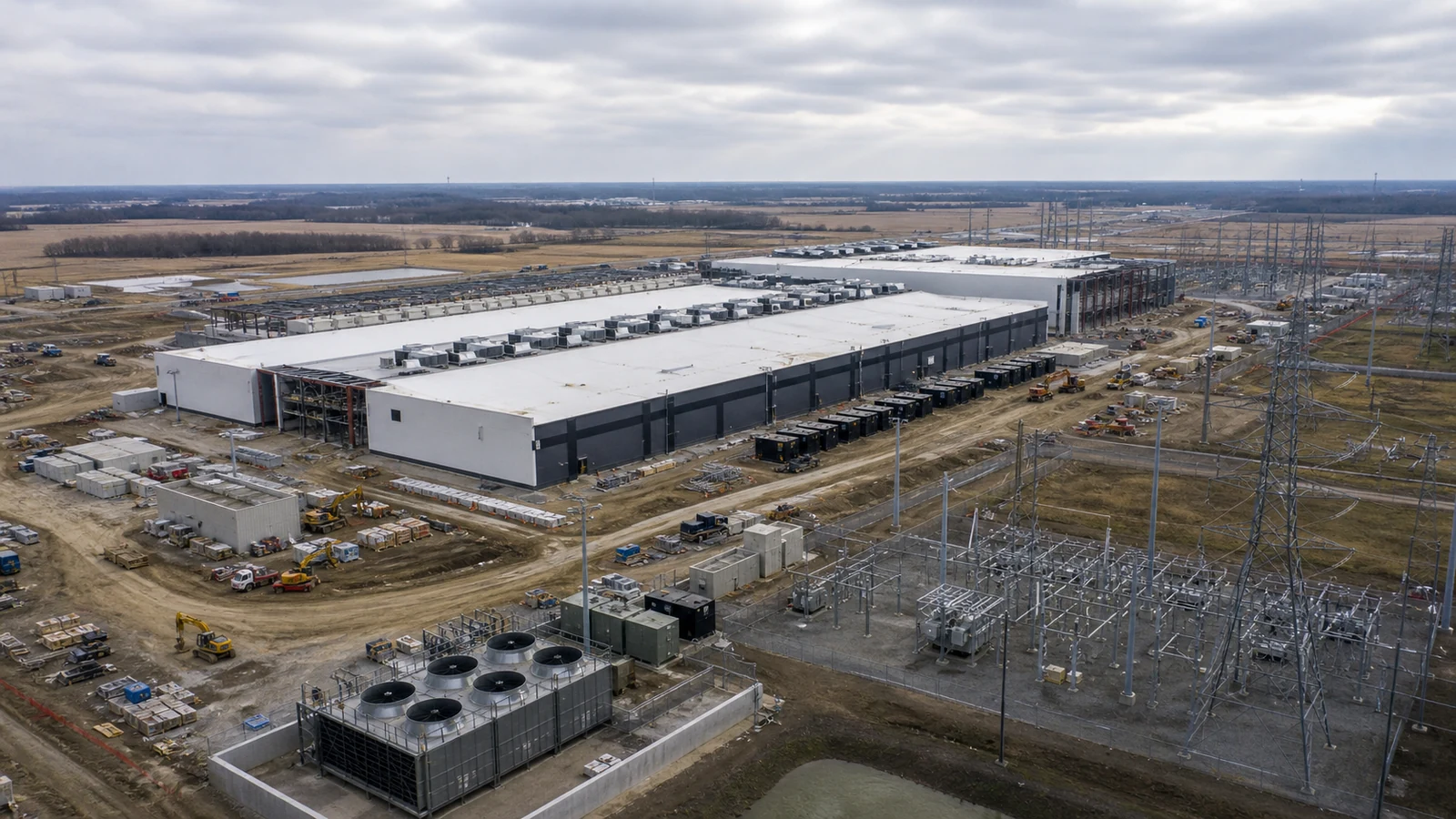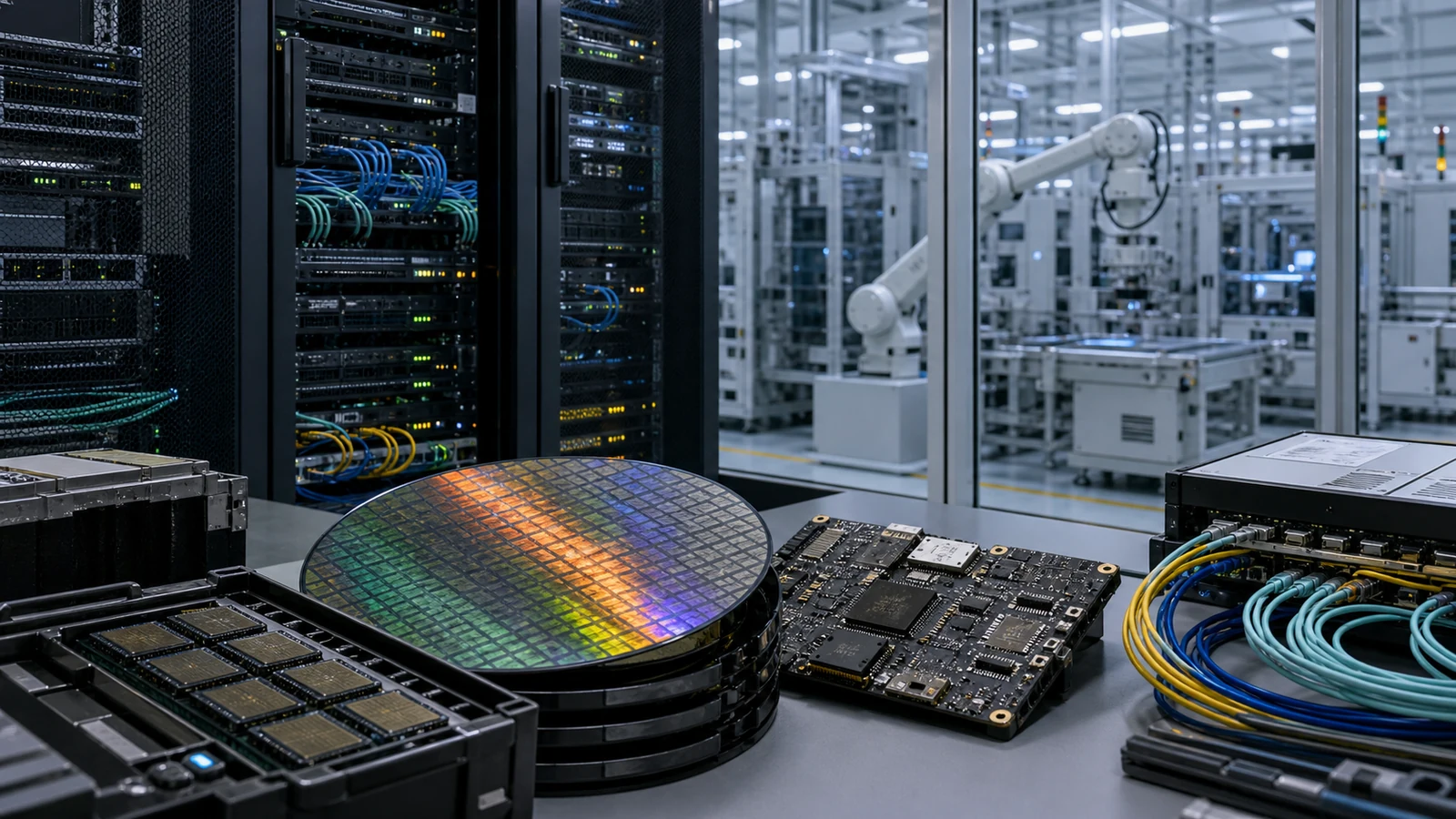
SK Telecom planning to use Nvidia's DSX platform for AI cloud capacity shows how national AI strategy is turning into infrastructure strategy. Countries and large telecom operators are not only asking who has the best models. They are asking where the compute lives, who controls it, and whether local companies can build AI services without waiting on overseas capacity.
That is why telecom involvement matters. Telcos already operate networks, enterprise services, data centers, and regulated infrastructure. They understand national coverage, uptime, and government relationships. If AI compute becomes a basic economic layer, telecom companies are natural candidates to host or coordinate part of that capacity.
This connects directly to the broader sovereign cloud conversation. AI makes the issue more urgent because training data, inference traffic, and model outputs can be sensitive. Local AI cloud capacity gives governments and enterprises more options when data location matters.
Why Korea is a logical AI cloud battleground
South Korea has major chip, electronics, gaming, telecom, manufacturing, and internet platform companies. Those sectors all need AI capacity, and many of them prefer infrastructure that is close, reliable, and aligned with domestic policy. A local AI cloud can serve enterprise automation, robotics, media, customer service, translation, and industrial AI workloads.
Nvidia's role is predictable because its software and accelerator ecosystem remains central to high-end AI. But SK Telecom's role is just as important. The operator can package AI cloud access for Korean enterprises, build network-adjacent services, and offer a local partner for companies that do not want to manage raw GPU clusters alone.
The challenge will be economics. GPU infrastructure is expensive, power hungry, and fast moving. A cloud built today has to stay useful as model architectures change and hardware improves. SK Telecom will need enough customer demand to keep utilization high, because idle AI hardware is costly.
The strategic logic is still clear. AI capacity is becoming part of national competitiveness. Korea does not want to rely only on foreign cloud regions for the next wave of enterprise AI. The SK Telecom plan suggests the country wants its own seat at the compute table.
There is also a latency argument for telecom-led AI clouds. Some future AI workloads may sit close to users, factories, vehicles, and networks rather than only in distant hyperscale regions. A telecom operator can connect cloud capacity with edge sites, private networks, and enterprise connectivity in ways a normal data center provider may not. That could matter for robotics, video analytics, logistics, and real-time industrial support. SK Telecom is not just buying into an AI trend; it is positioning network infrastructure as part of the AI stack. If that works, telcos in other countries will likely follow with their own regional compute partnerships.
The plan also gives Korean software companies a clearer path to test local models without competing for overseas capacity. The DSX angle highlighted by Fierce Network makes that path more concrete because it connects local telecom infrastructure with Nvidia-backed AI capacity. That can shorten development cycles and keep more technical spending inside the local ecosystem.