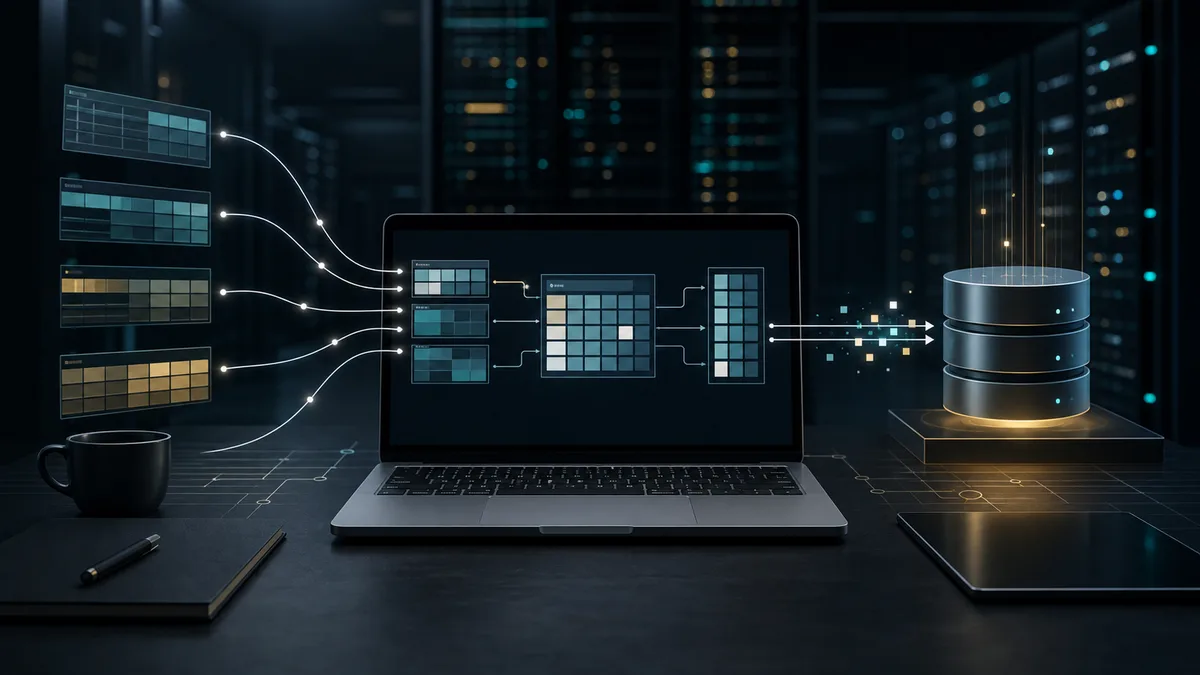
Deskside AI systems are becoming more interesting because not every AI workflow belongs entirely in the cloud. Developers, researchers, and enterprise teams often need a local environment for prototyping, data-sensitive testing, fine-tuning, and inference experiments before work moves into shared infrastructure.
The return of serious workstation computing does not mean the cloud is losing. It means AI development has more layers. A team may explore locally, scale in a data center, and deploy across hybrid environments. The workstation becomes a controlled place to build and test before costs, security, and latency become harder to manage.
That is why DGX-style desktop and deskside machines are getting attention. They promise a packaged AI environment instead of a collection of parts. For organizations without deep infrastructure teams, that can shorten the time between buying hardware and running useful experiments.
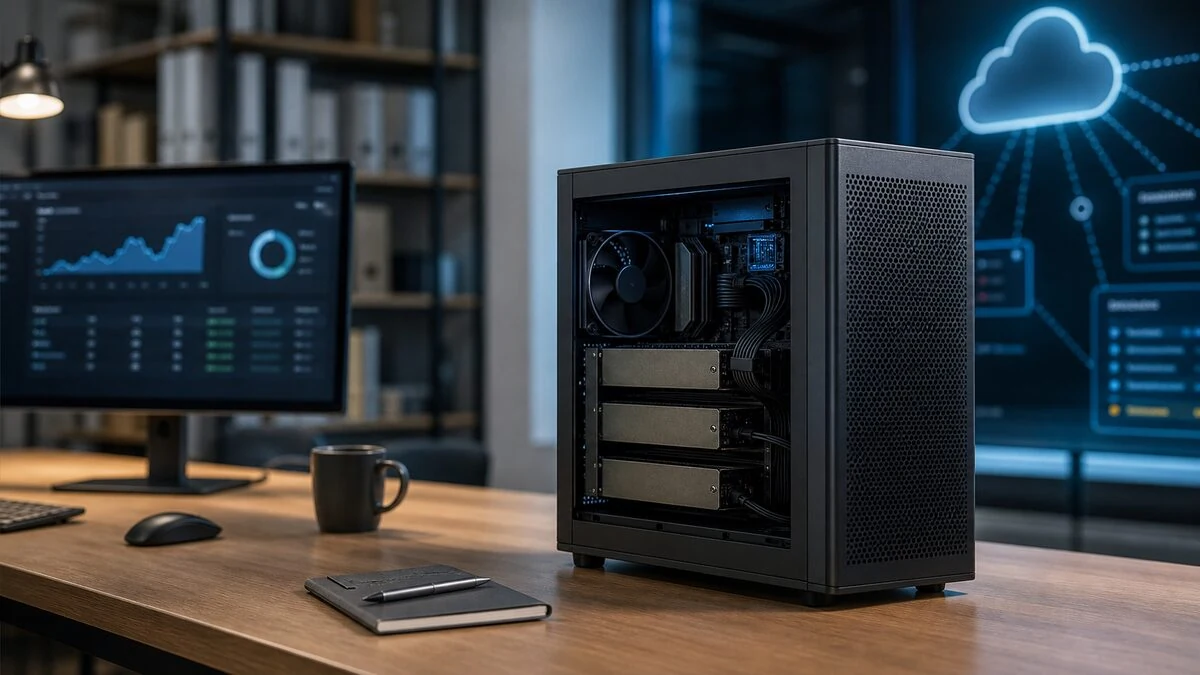
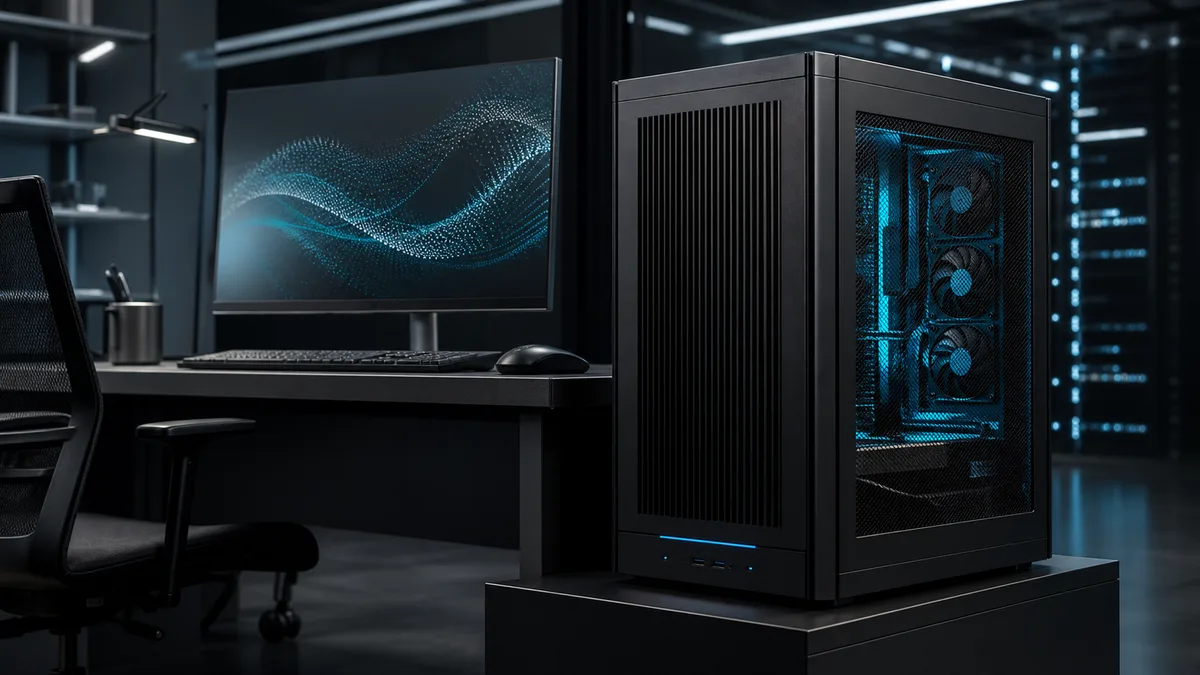
TechPowerUp reported that ASUS launched the ExpertCenter Pro ET900N G3, a next-generation deskside AI supercomputer built on Nvidia DGX Station architecture. The system is aimed at enterprises, AI developers, researchers, and professional users who need data-center-class AI performance close to the desk.
The idea pairs naturally with our Dell deskside agentic AI coverage. Both stories point to the same pattern: companies want more AI capability near the people building agents, but they also want security and cost controls that are harder to guarantee with every experiment running in public cloud capacity.
Local AI workstations also change the procurement conversation. Buyers will compare memory capacity, accelerator support, software stack, serviceability, power draw, and remote management. A machine that is fast but painful to administer will not fit well into enterprise workflows.
There is a data-governance benefit too. Sensitive files, proprietary prompts, and model outputs can be tested locally before teams decide what belongs in a shared or hosted environment. That does not remove the need for security policy, but it gives teams more deployment options.
The ExpertCenter Pro ET900N G3 is part of a larger move toward practical AI development stations. The future of AI infrastructure will not be only massive clusters. It will also include capable local machines that let teams iterate faster without turning every experiment into a cloud-budget event.
The most useful deskside systems will be the ones that hide enough complexity without hiding too much control. AI teams want preconfigured drivers, containers, model runtimes, and acceleration libraries, but they also need access to logs, resource usage, and deployment settings. A workstation that behaves like an appliance may help smaller teams get started, while advanced users will still want deep tuning. ASUS is entering a category where hardware design, software packaging, and enterprise support all matter. The machine is not only competing against other workstations. It is competing against the convenience of cloud notebooks and managed AI platforms, so the local experience has to feel fast, secure, and worth owning.
For buyers, the practical test will be utilization. A powerful AI workstation only makes sense if it is busy enough to justify ownership and flexible enough to support changing model stacks over several years.