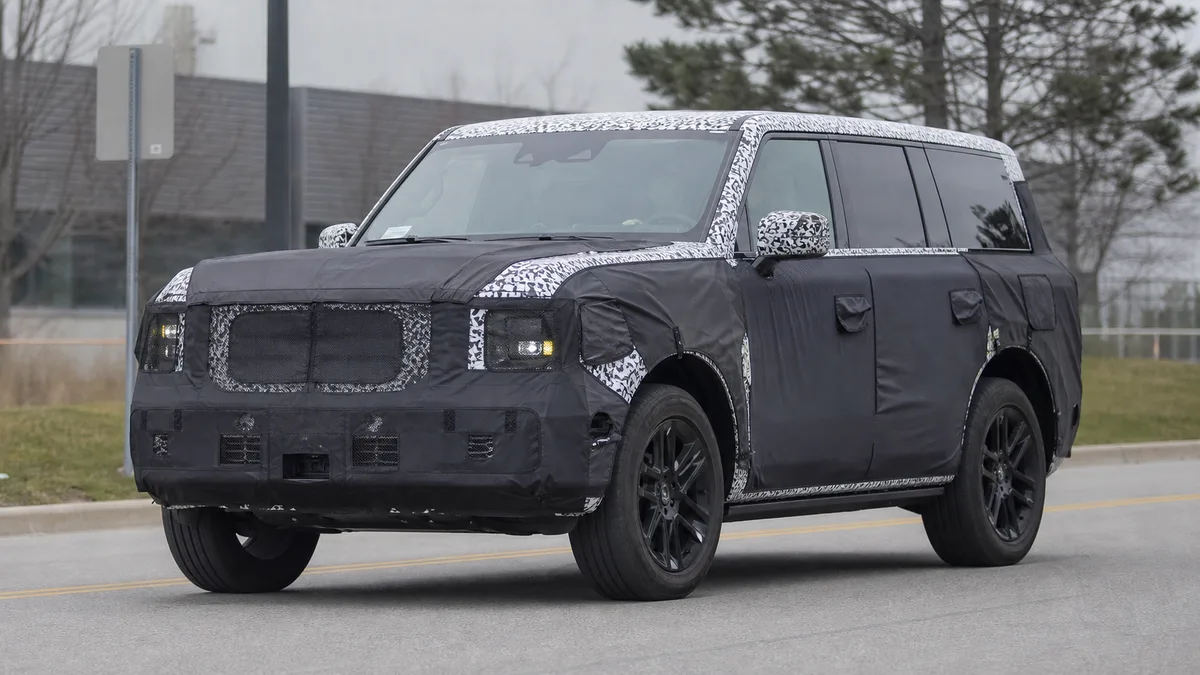
Autohome's Chinese spy-shot report on the redesigned Hyundai Santa Fe is useful because it shows how regional SUV needs are diverging. The same nameplate can carry different expectations depending on market. In China, family SUVs face intense competition from plug-in hybrids, extended-range models, tech-heavy cabins, and domestic brands that update quickly. A normal facelift is no longer enough.
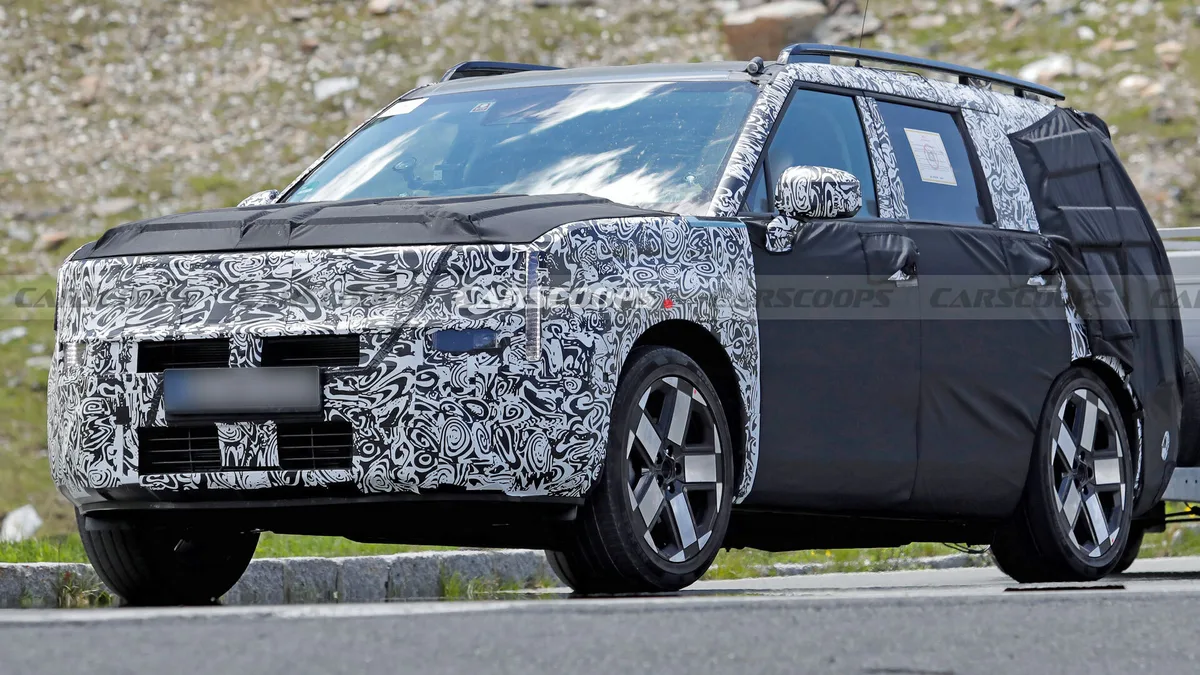
The boxy shape remains the visual hook. It gives the Santa Fe a tougher identity and a more useful cargo silhouette, but it also divides opinion. Spy shots suggest Hyundai may be adjusting the design while keeping the upright character. That balance matters because standing out is valuable only if the final vehicle still feels refined.
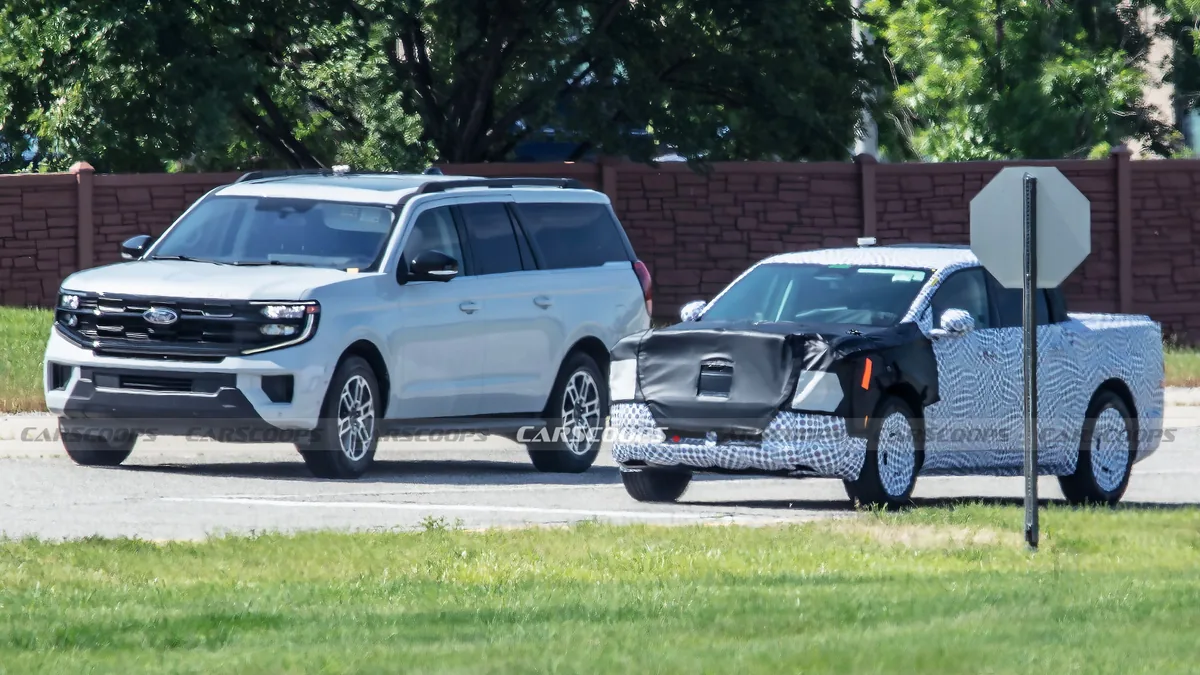
Autohome published Chinese coverage of the latest Hyundai Santa Fe spy shots, including discussion of a boxy design direction and range-extender powertrain possibility. The report adds a local-market lens to a vehicle that global outlets are also watching.
This connects with our extended-range SUV coverage. Chinese buyers have pushed automakers to treat range, cabin tech, and charging convenience as everyday concerns rather than optional green talking points.
A range-extender approach could help Hyundai compete against domestic rivals that already sell buyers on long trips without charging anxiety. It would also let the Santa Fe offer electric-feeling daily use while keeping family-road-trip confidence. The risk is complexity, price, and packaging, especially in a three-row body.
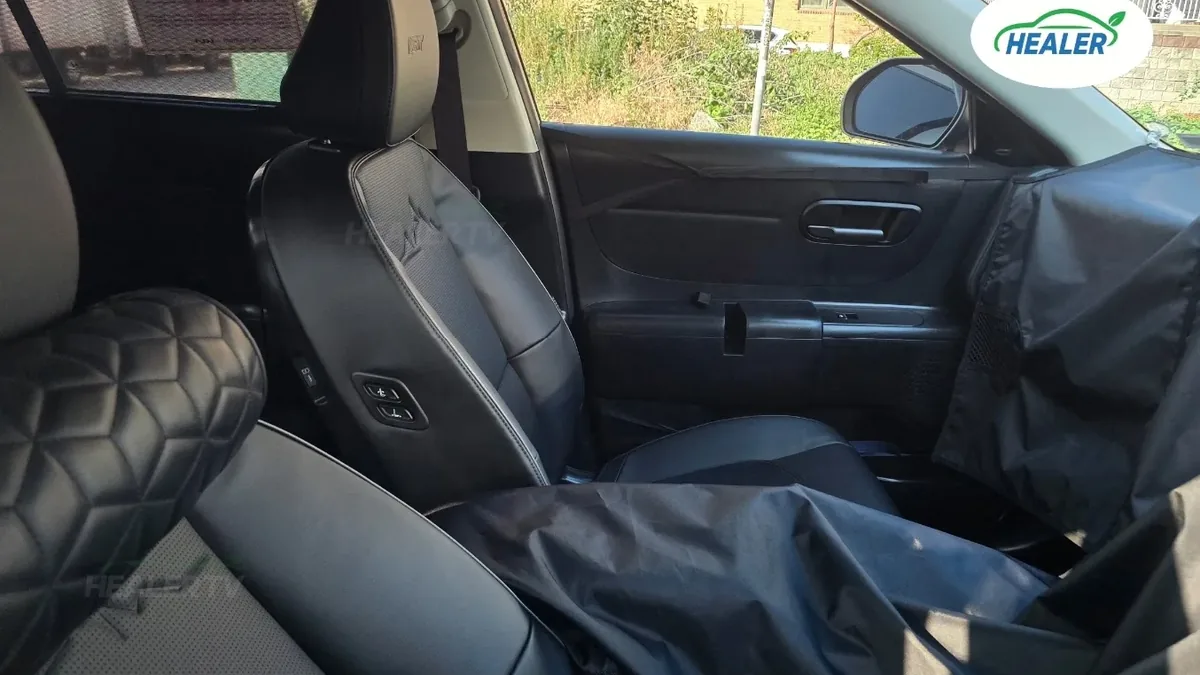
Interior technology may be just as important as the powertrain. Chinese SUV buyers increasingly expect large screens, voice assistants, app ecosystems, driver-assistance features, and flexible seating. A facelift that only changes lamps would feel weak in that context. Hyundai needs the product to look globally polished and locally fluent.
The spy shots do not confirm the final plan, but they show the pressure clearly. In China, a family SUV now competes with smartphones on software, with EVs on efficiency, and with domestic brands on launch speed. Hyundai's update has to answer all three, not just refresh a familiar grille.
Autohome's local framing is valuable because global readers can miss how fierce China's family-SUV fight has become. Domestic brands refresh cabins, software, and hybrid systems at a pace that pressures joint-venture models. Hyundai cannot rely on badge familiarity alone. It needs a Santa Fe that feels tuned for the market's new expectations.
That is why the spy shots are more than design gossip. They show a global automaker trying to read a market where software, electrification, and cabin usefulness now move faster than old facelift cycles. The Santa Fe update has to feel current on all three fronts.
A successful China-focused Santa Fe update would also show how global platforms can become more flexible. Automakers used to save major market-specific differences for trim and infotainment. Now powertrain strategy itself may need local answers. That is especially true in China, where extended-range and plug-in hybrid SUVs have trained buyers to expect long range, quick response, and rich cabin software in one package.
The model will also need a clean value story. Chinese buyers can choose from many roomy electrified SUVs with strong screens and long feature lists. Hyundai has to explain why the Santa Fe is different, whether through reliability, space, powertrain smoothness, or safety. Spy-shot attention helps only if the production car has a sharp answer.