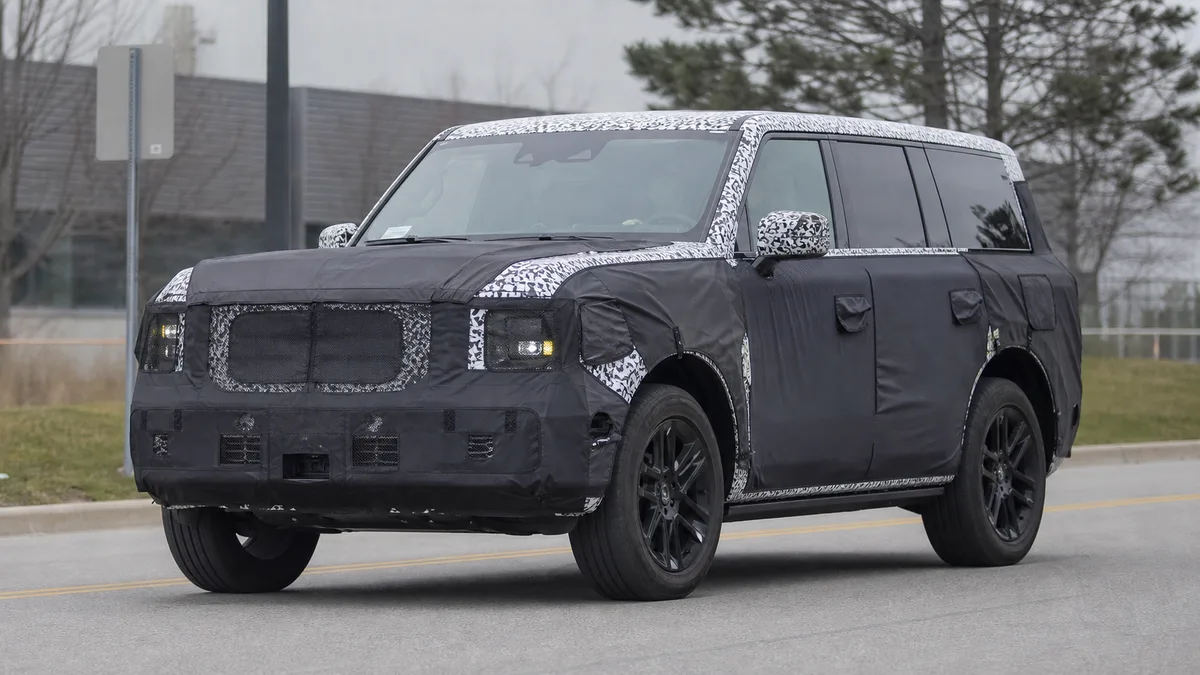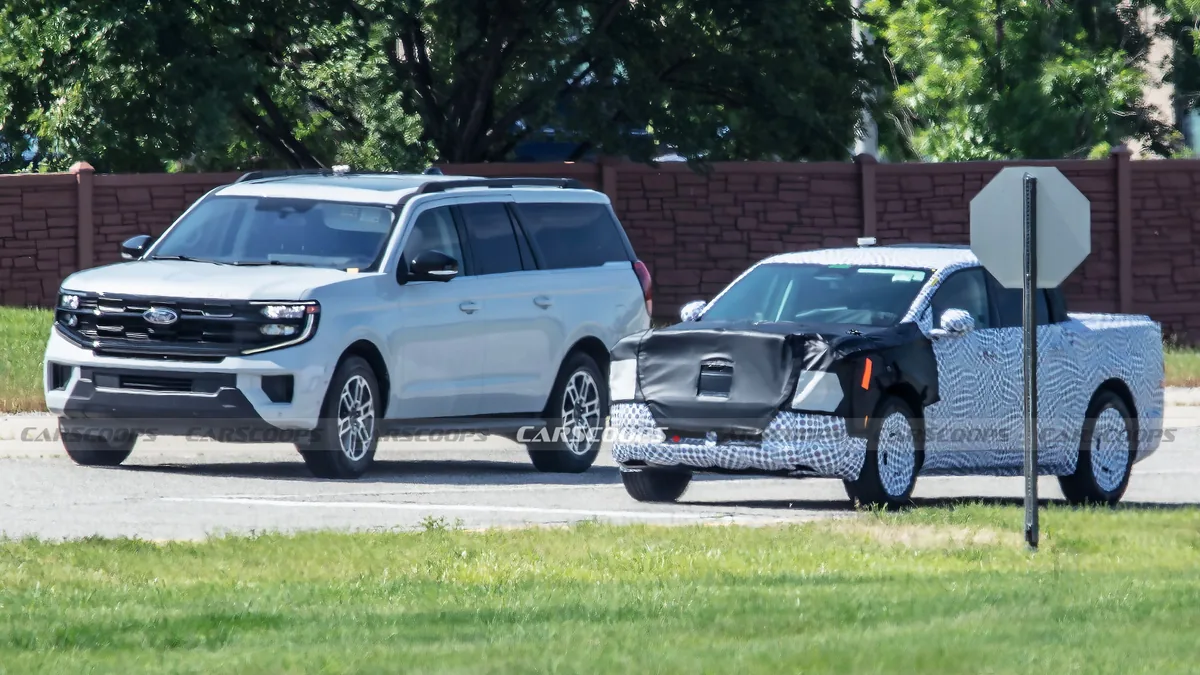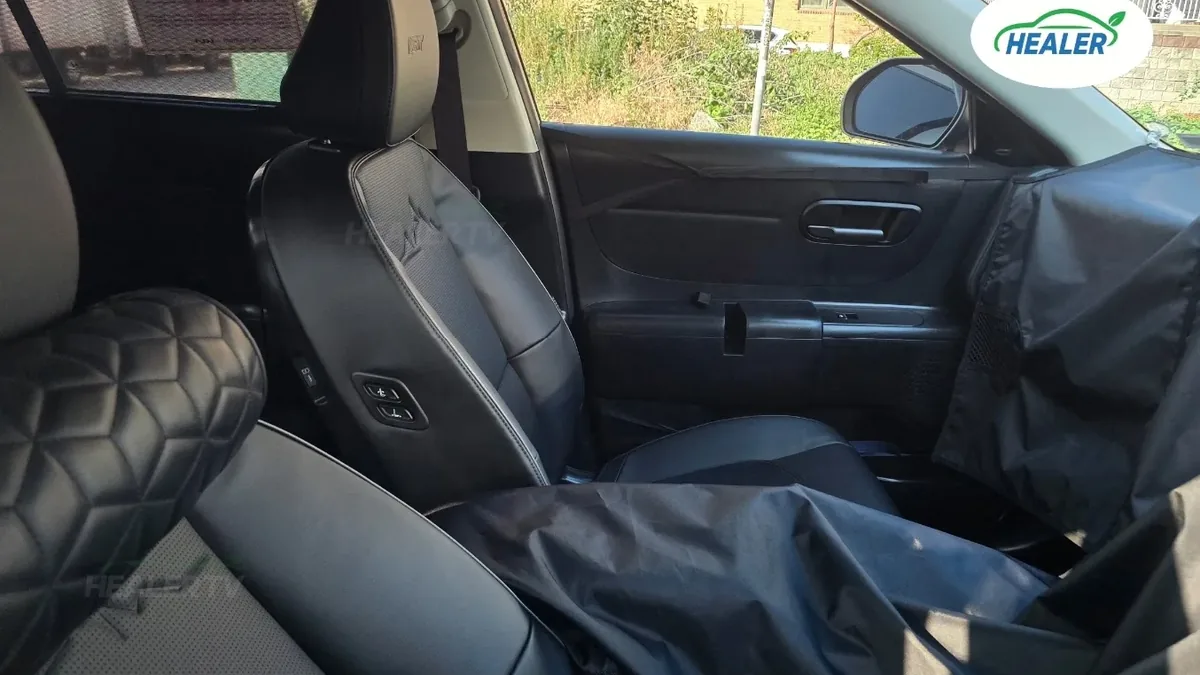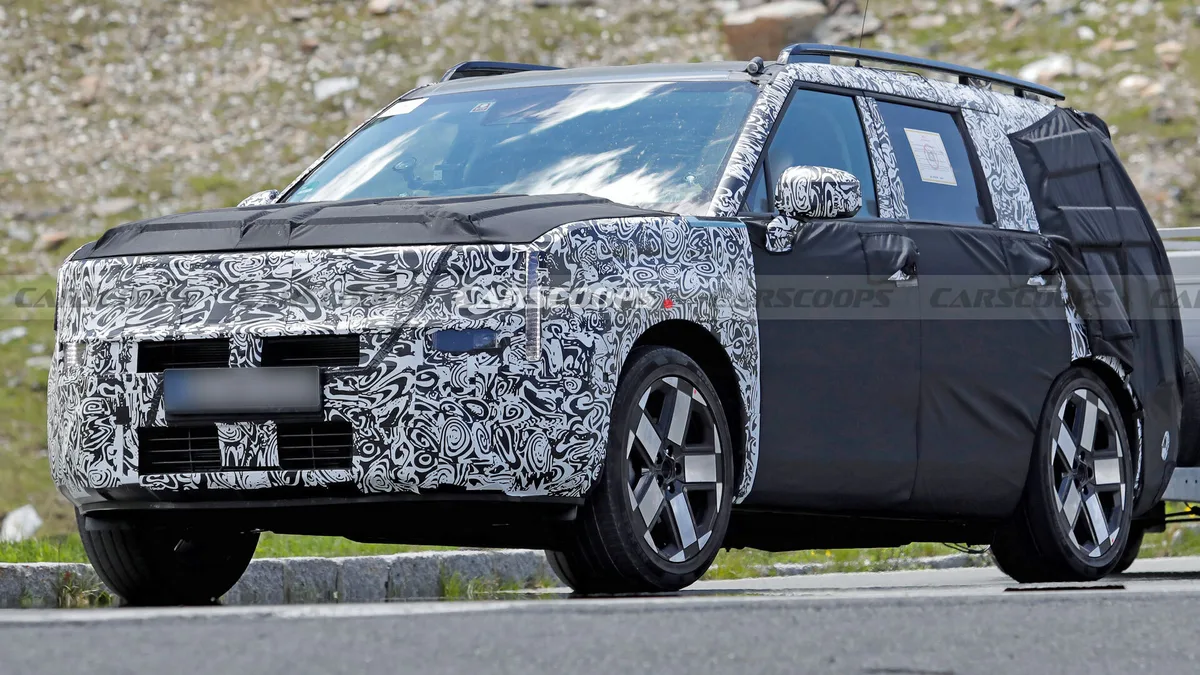
The Hyundai Santa Fe facelift spy shots show how quickly the SUV market is moving from simple styling updates to powertrain and packaging experiments. The current Santa Fe already made a bold turn toward boxier proportions, so a facelift this soon suggests Hyundai is still tuning the formula. The real interest is not only the face; it is what the update may say about electrified family SUVs.
Three-row buyers are practical, but they are not indifferent to design. The Santa Fe's upright shape gives it personality, cargo usefulness, and a more adventurous image than many rounded crossovers. Spy shots that show a revised front end and camouflaged details suggest Hyundai may be trying to soften criticism while keeping the visual identity that made the model stand out.
Carscoops published spy shots of a Hyundai Santa Fe facelift prototype. The report notes visible design changes and raises the possibility of bigger updates inside, which is where the range-extender conversation becomes more interesting.
This fits the broader pattern we covered in EVs moving beyond sedans. Families want electrification, but they also want long-distance confidence, space, towing flexibility, and predictable winter performance. Range-extender systems are one answer automakers are revisiting.
A range-extender Santa Fe would make strategic sense in markets where charging remains uneven or where buyers are not ready for a fully electric three-row SUV. It could deliver electric driving in daily use while reducing the anxiety that comes with long trips. The challenge is packaging the system without hurting cabin space, weight, or price.
Hyundai also has to protect the Santa Fe's identity. Too much visual change could make the model look uncertain, while too little could leave critics focused on the same complaints. The spy shots suggest a measured update rather than a full retreat. That is probably wise because the boxy shape gives Hyundai a clearer shelf presence.
The final product will depend on details the prototype cannot reveal: battery size, electric range, cabin updates, driver-assistance tuning, and pricing. Still, the leak is a useful signal. Hyundai appears to be treating the Santa Fe as a platform for a changing SUV market, not merely a model waiting for its normal mid-cycle polish.
Hyundai also has to time the update carefully. A mid-cycle refresh can reassure buyers that the company is responding to feedback, but it can also make recent owners feel their vehicle aged quickly. The best outcome is a facelift that improves technology and powertrain options without making the current Santa Fe look like a mistake. That is a delicate but familiar automotive balance.
The spy shots also show how quickly design feedback moves now. A vehicle can be launched, photographed, criticized, defended, and rumored for revision within a short cycle. Automakers have to decide which complaints represent real buyer resistance and which are just internet noise. Hyundai's challenge is to respond without losing confidence. A Santa Fe that keeps its boxy usefulness while becoming easier to like would show that the company is listening without surrendering its design direction.