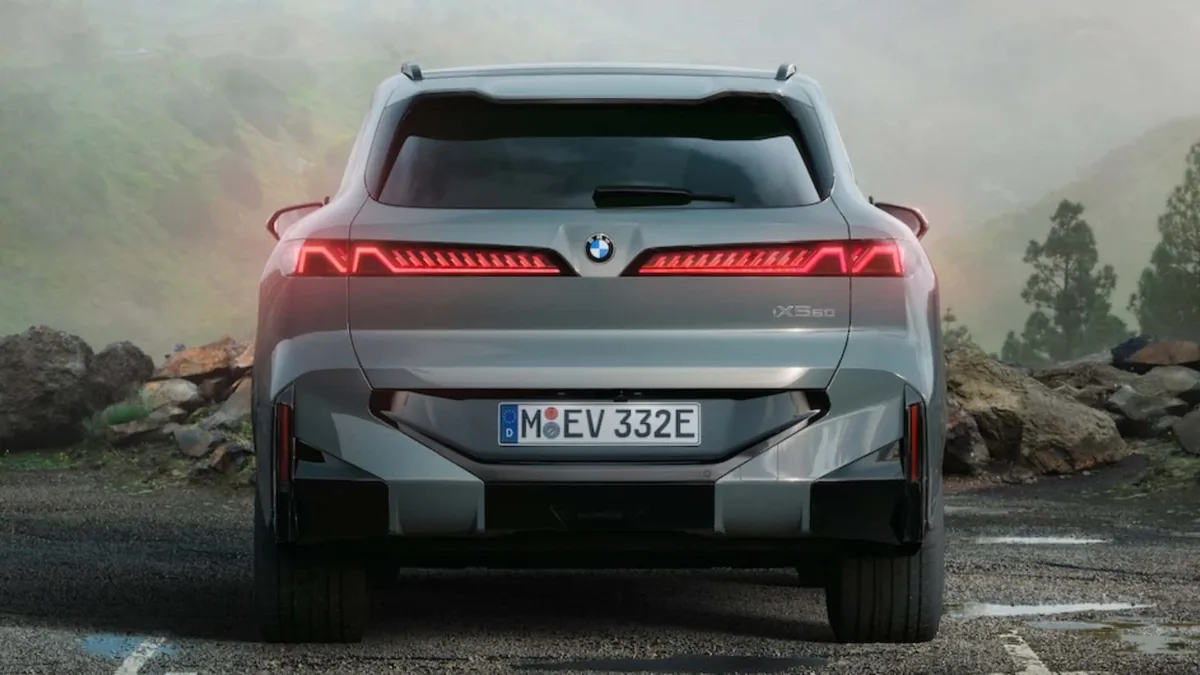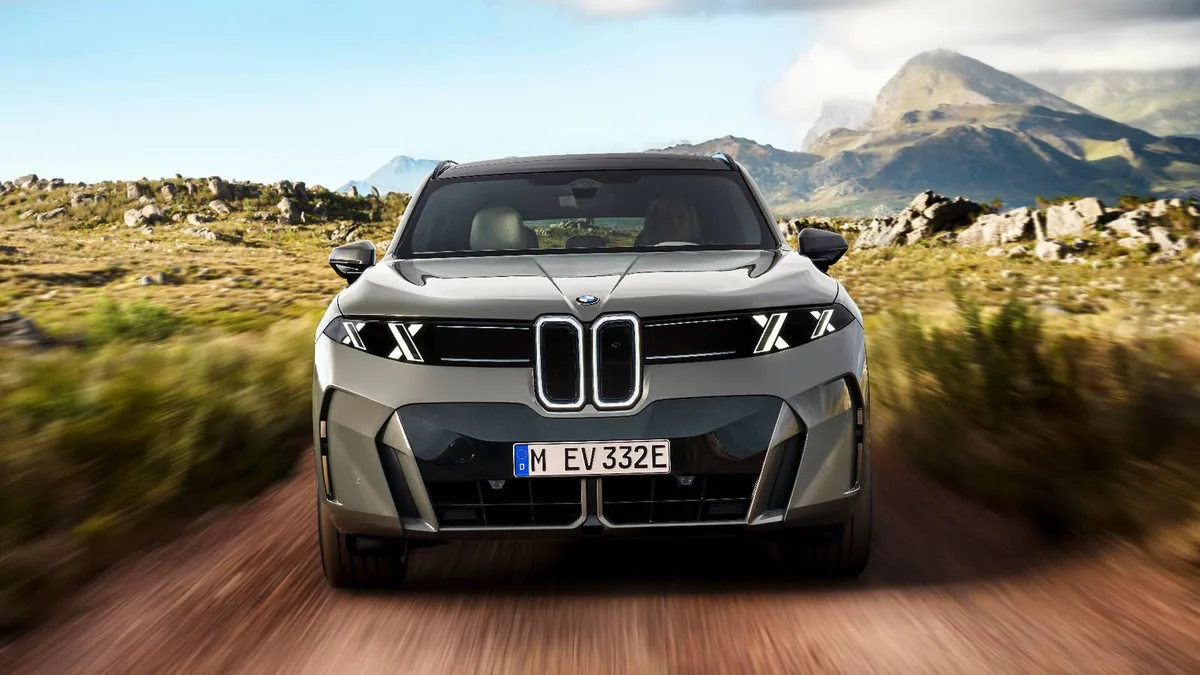
BMW's next X5 story is becoming less about one replacement model and more about choice. A new report says the 2027 X5 will keep several powertrain paths alive, including a V8, while also moving toward electric options.
That approach fits the current SUV market. Buyers want electrification, but many still expect long-range convenience, towing confidence, and familiar performance from a vehicle this expensive.
This also connects with our earlier look at luxury EVs moving beyond sedans, because the same product cycle is now being shaped by design evidence, supplier pressure, and the way buyers read early hardware clues.
The powertrain report from HotCars makes BMW's strategy look deliberately mixed rather than hesitant.
The signal is that BMW does not want to force every X5 buyer into the same transition timeline.
Offering combustion, hybrid, and electric choices can protect sales, but it complicates packaging, manufacturing, software calibration, and dealer training.
For buyers, variety is useful. A plug-in hybrid commuter, a long-distance diesel or gasoline model, and a future iX5 do not serve the same driver.
The timing comes as luxury brands are learning that EV adoption is not even across regions. BMW's flexible approach may be a way to avoid betting the whole nameplate on one forecast.
The risk is complexity. Too many versions can make the lineup hard to understand and can dilute engineering focus.
Mercedes, Audi, Volvo, Lexus, and Genesis are all trying to balance regulation with buyer habits. BMW is signaling that the X5 will stay broad rather than narrow.
Watch battery size, charging speeds, towing ratings, and whether the electric version feels like a true X5 rather than a related badge.
This report matters because the X5 is a core luxury SUV, and its powertrain spread says a lot about how uneven the EV transition remains.
A grounded reading of BMW X5 Powertrain Report Shows the SUV Is Not Giving Up on Variety sits between hype and dismissal. The details are specific enough to track, but they still need confirmation from launch material, filings, retail pages, or multiple unrelated leaks before buyers should treat them as final.
The business angle is also different from the fan conversation. HotCars is describing one public clue, while the companies involved have to think about component costs, regional demand, software readiness, and how quickly rivals can copy the same idea.
Execution will decide whether this becomes a real advantage. Offering combustion, hybrid, and electric choices can protect sales, but it complicates packaging, manufacturing, software calibration, and dealer training. That is why the final product or platform will be judged by how naturally the feature works, not only by how strong it sounds in an early report.
The practical takeaway from HotCars is to watch for repetition from independent sources. If the same direction keeps appearing in certifications, supplier notes, app code, retail listings, or hands-on leaks, BMW X5 Powertrain Report Shows the SUV Is Not Giving Up on Variety will move from rumor watch to launch expectation.
For Patriotic Tech readers looking at HotCars, the value is not simply being early. The value is knowing whether BMW X5 Powertrain Report Shows the SUV Is Not Giving Up on Variety can change upgrade timing, platform trust, developer planning, or the competitive story around BMW X5.