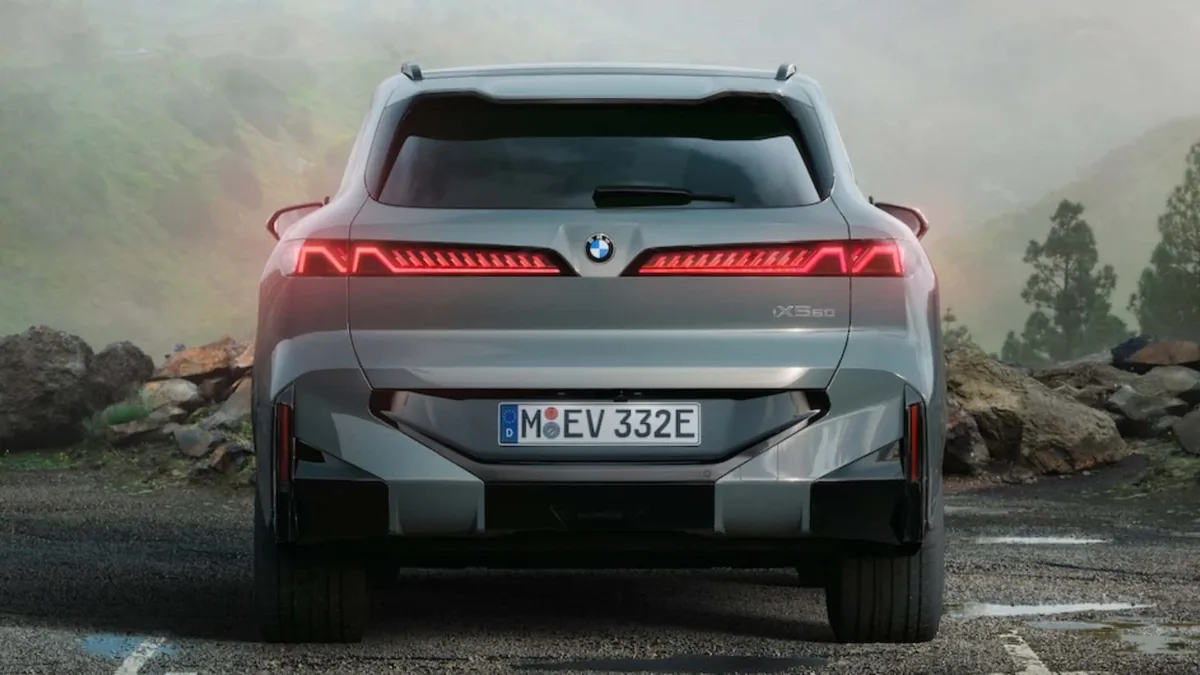
BMW's explanation for dropping the X5's split tailgate is a reminder that the EV transition can rewrite even beloved physical features. The tailgate was practical, familiar, and part of the model's personality, which is why the change stands out.
Design changes like this often look cosmetic from the outside. In reality, platform engineering, crash structure, weight, wiring, and electric packaging can all push an automaker away from an old solution.
This also connects with our earlier look at EV cabin feature changes, because the same product cycle is now being shaped by design evidence, supplier pressure, and the way buyers read early hardware clues.
The reasoning reported by Motor1 turns a small rear-end detail into a larger packaging story.
The signal is that future luxury SUVs may trade some familiar hardware for simpler structures that work across electric and combustion variants.
A split tailgate adds hinges, seals, latches, motors, and structural demands. Removing it can reduce complexity, but it also removes a feature many owners actually used.
For buyers, the question is whether the replacement tailgate feels cheaper or simply more modern. Utility features are emotional when people have built habits around them.
The timing is interesting because BMW is trying to bridge old and new X5 identities. The brand has to modernize without making loyal owners feel ignored.
The risk is that efficiency decisions read as cost-cutting. Premium buyers notice when a practical feature disappears, even if the engineering reason is real.
Luxury SUV rivals will watch closely. If customers complain, competitors can turn tailgate design into a small but sharp selling point.
Watch owner forums and early reviews once the next X5 reaches real driveways. That is where the value of a tailgate design becomes clearer than in a press explanation.
The tailgate change is not the biggest BMW story, but it shows how platform decisions can change the everyday rituals around a vehicle.
A grounded reading of BMW X5 Tailgate Change Shows How EV Packaging Can Rewrite Familiar Features sits between hype and dismissal. The details are specific enough to track, but they still need confirmation from launch material, filings, retail pages, or multiple unrelated leaks before buyers should treat them as final.
The business angle is also different from the fan conversation. Motor1 is describing one public clue, while the companies involved have to think about component costs, regional demand, software readiness, and how quickly rivals can copy the same idea.
Execution will decide whether this becomes a real advantage. A split tailgate adds hinges, seals, latches, motors, and structural demands. Removing it can reduce complexity, but it also removes a feature many owners actually used. That is why the final product or platform will be judged by how naturally the feature works, not only by how strong it sounds in an early report.
The practical takeaway from Motor1 is to watch for repetition from independent sources. If the same direction keeps appearing in certifications, supplier notes, app code, retail listings, or hands-on leaks, BMW X5 Tailgate Change Shows How EV Packaging Can Rewrite Familiar Features will move from rumor watch to launch expectation.
For Patriotic Tech readers looking at Motor1, the value is not simply being early. The value is knowing whether BMW X5 Tailgate Change Shows How EV Packaging Can Rewrite Familiar Features can change upgrade timing, platform trust, developer planning, or the competitive story around BMW X5.