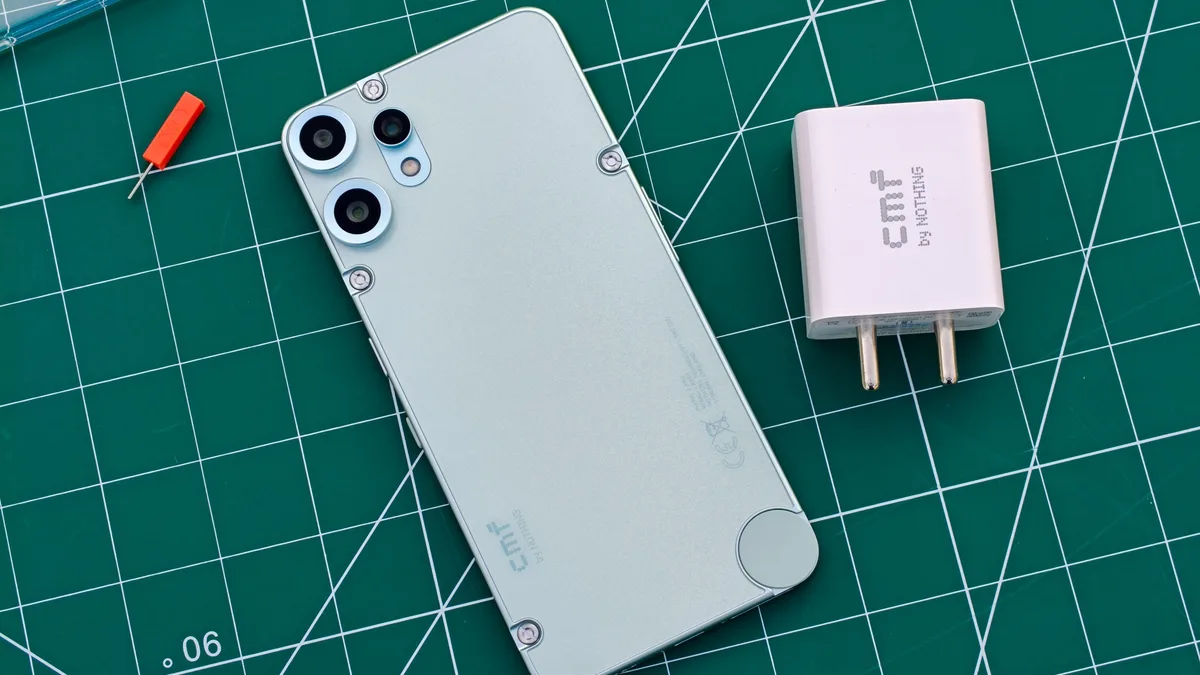
Budget phones live on tight math. A few dollars added to memory, storage, display, or camera parts can change the entire product plan. That is why the reported pause in new CMF phone plans matters more than a single missing model. It shows how quickly rising memory prices can reach the lower end of the smartphone market.
CMF, Nothing's budget-focused sub-brand, is built around value and design clarity. That formula becomes harder when memory prices climb, because buyers still expect enough RAM and storage for several years of use. A company can lower specs, raise prices, or delay a product, but none of those choices is painless in a competitive budget segment.
Memory is especially difficult because it is not a visible upgrade like a new color or camera bump. Many buyers only notice it when apps reload, storage fills, or the phone slows down. Brands therefore face a communication problem: charging more for the same-looking phone because internal component costs rose is a hard sell.
Mashdigi reported that soaring memory costs have affected CMF's phone plans, while also noting pressure in the PC graphics card market. The connection is important. Phones, laptops, GPUs, servers, and AI hardware all compete for memory supply in different ways.
Why budget brands feel it first
Premium phones have more room to hide cost increases. A flagship can add a camera feature, storage tier, or trade-in offer to soften a price bump. A budget phone has less room. If the retail price rises too much, it stops being the obvious value choice. If specs are cut too far, it loses the practical appeal that made it worth buying.
This is also why our earlier memory-cost coverage around iPhone upgrades matters beyond Apple. When memory prices move, the entire device market feels it, but the impact appears differently at each tier. For CMF, the pressure may show up as a postponed model rather than a more expensive Pro phone.
Nothing has to be careful with the CMF brand because its audience expects restraint. The phones need to feel clever, not compromised. Waiting may be smarter than launching a device that cannot hit the right storage, RAM, and price mix. That patience can protect the brand if the alternative is a disappointing upgrade.
The larger takeaway is that component inflation is becoming a consumer story. People may not follow DRAM contracts or NAND pricing, but they will notice when cheap phones become less generous. If memory remains expensive, 2027 budget phones could become one of the clearest places to see the supply chain in action.
There is also a brand-protection angle. A delayed phone can frustrate fans, but a poorly timed phone can damage trust for longer. If CMF cannot build a device that feels properly equipped at the right price, waiting may preserve the value identity that made the sub-brand useful in the first place. In budget hardware, restraint can be a feature.
For the wider Android market, this is a warning sign. If value brands pull back, shoppers may see fewer bold low-cost options and more recycled hardware in the same price bands.