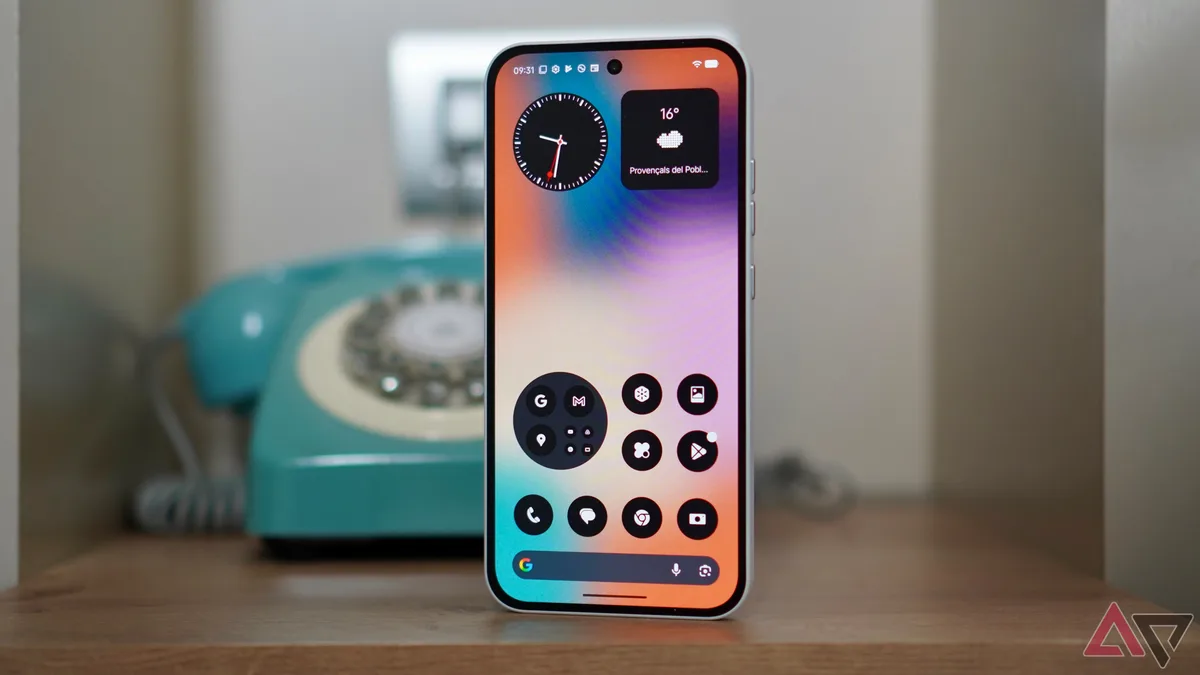
Nothing has always been good at getting attention online, but retail shelves are a different test. A US launch through Best Buy gives the brand something that social media hype cannot fully provide: normal buyer visibility. For a phone company still trying to move beyond enthusiast circles, that may matter as much as any spec sheet.
The US phone market is difficult for smaller Android brands because carriers, trade-in programs, financing, and retail placement shape buying habits. A phone can look exciting in a launch video and still be invisible to someone walking into a store with an old device and a weekend upgrade plan. Best Buy placement helps close that gap.
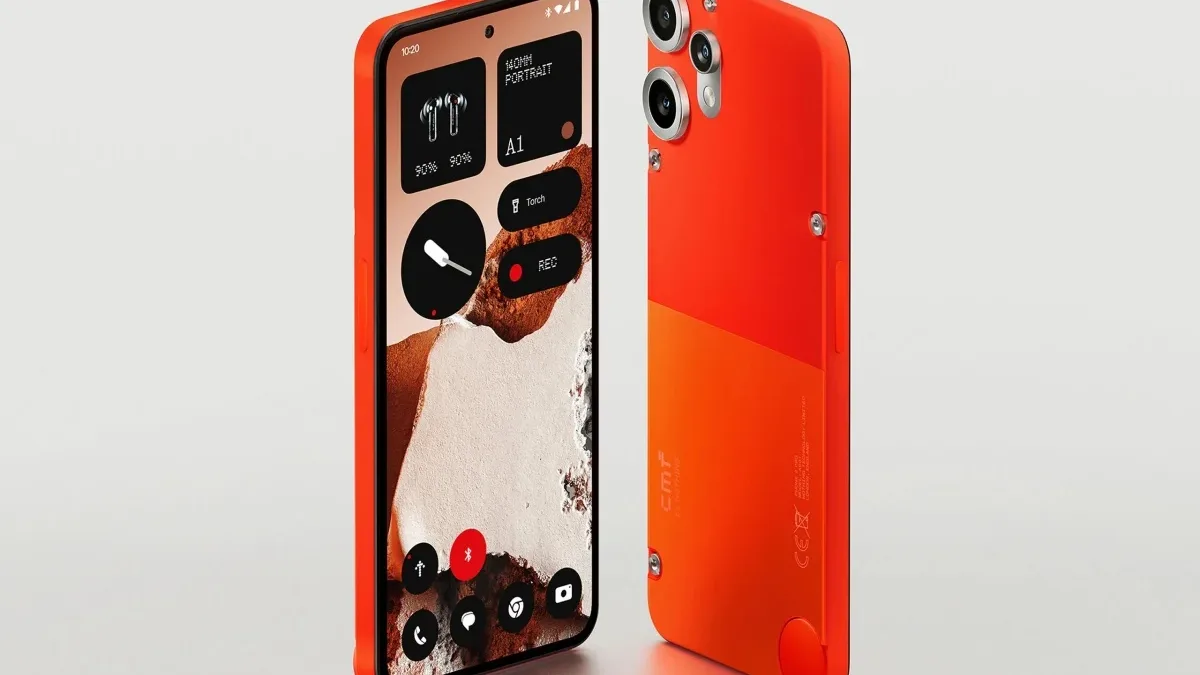
Nothing also arrives at a moment when many buyers feel the Android market has become predictable. Samsung dominates the mainstream shelf, Google owns the Pixel software story, and Motorola fills a large value lane. A recognizable alternative with transparent design and a different brand voice gives shoppers something to compare rather than another small spec variation.
Android Police covered the US retail angle, and that is the part worth taking seriously. Nothing does not need to beat Samsung overnight. It needs to become a brand people can actually see, touch, finance, return, and recommend without treating the purchase like a niche import.
Why Best Buy changes the conversation
Retail also creates a different kind of trust. Enthusiasts may buy directly from a company site, but casual buyers often want a known store, a clear warranty path, and someone to ask when a case or charger is needed. That matters for Nothing because its design is distinctive enough to spark curiosity, but curiosity still has to survive practical questions.
The move also makes the accessory ecosystem more important. A phone on a shelf needs cases, screen protectors, earbuds, and chargers nearby. Nothing has already built a recognizable audio identity, and our coverage of Nothing Headphone 1 shows how the company is trying to turn design consistency into a broader gadget family.
The risk is that retail exposure raises expectations. Shoppers comparing devices in person will care about camera speed, software polish, update promises, repair support, and price. A unique back panel can get attention, but it cannot carry the full purchase if the phone feels weaker than adjacent devices on the shelf.
Still, this is a practical step in the right direction. Nothing has spent years proving it can be interesting. The Best Buy launch is about proving it can be available. In the US, where distribution often decides which Android brands survive, that difference is not small.
The launch also gives reviewers and buyers a more normal way to compare Nothing against familiar rivals. Store availability makes battery life, camera behavior, screen brightness, and hand feel easier to judge side by side. That kind of comparison can be uncomfortable, but it is necessary if Nothing wants to be treated as a real alternative rather than a clever internet brand with occasional limited releases.
That broader access also helps Nothing learn from mainstream shoppers instead of only launch-day fans. Questions about cases, repairs, financing, and carrier fit can shape the next generation more honestly than online excitement alone.