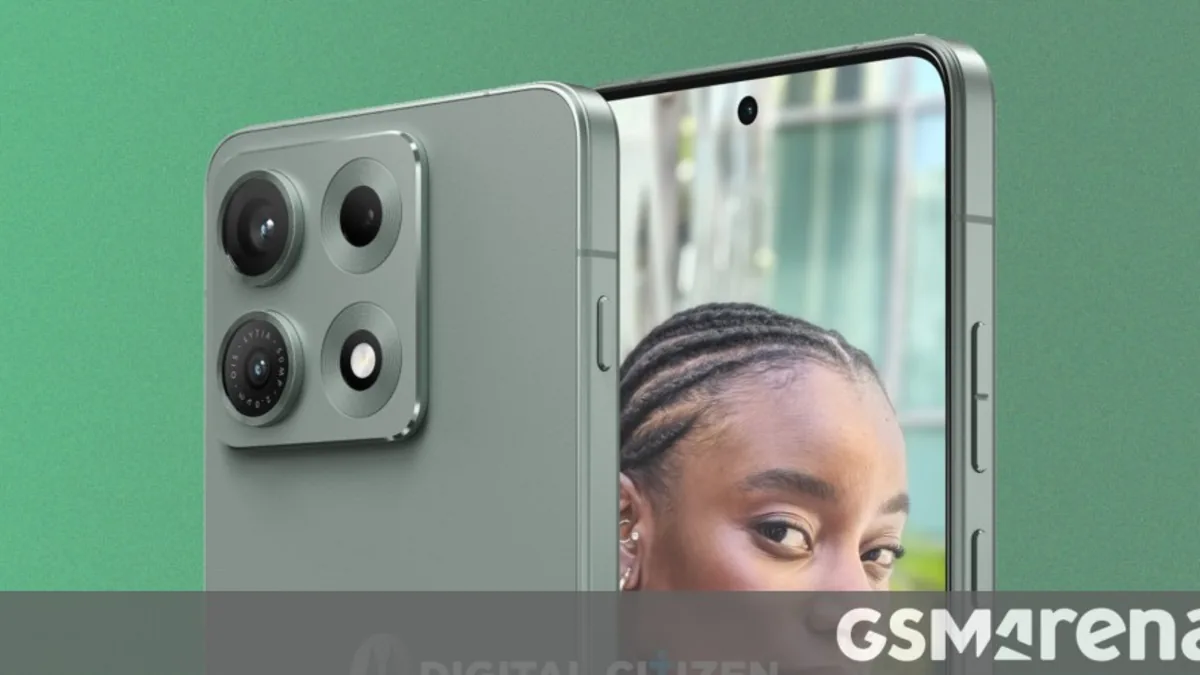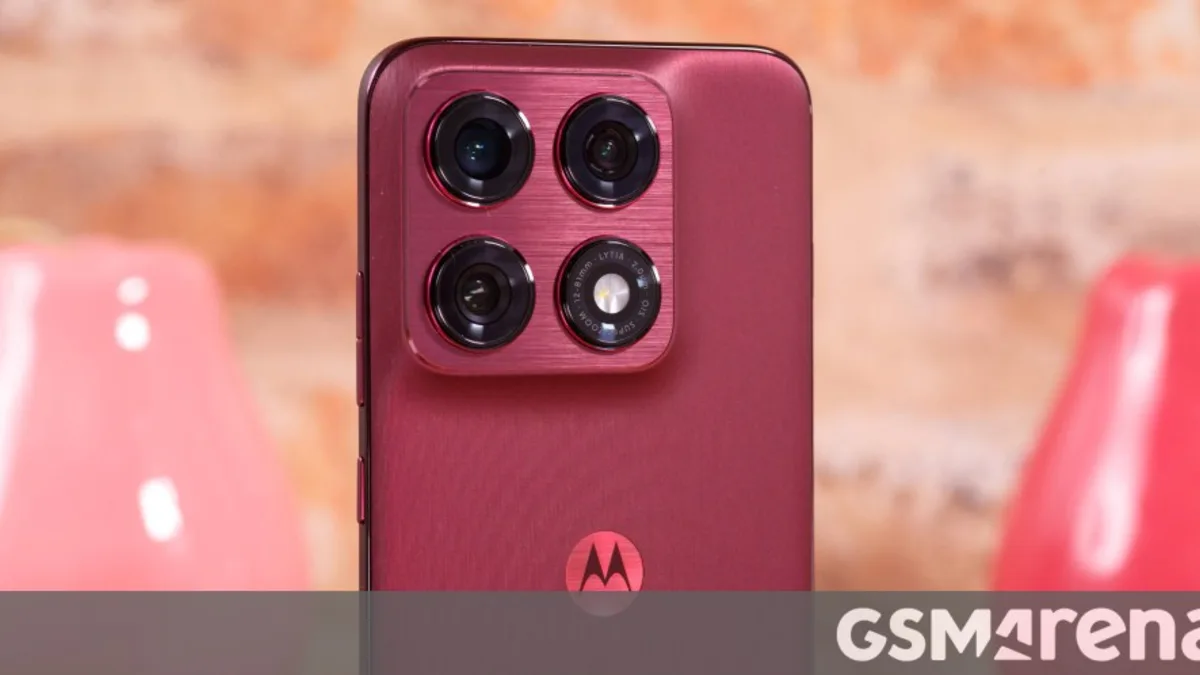
The Motorola Edge 70 Pro arriving for review is a reminder that the middle of the phone market is no longer a quiet place. A few years ago, buyers expected midrange devices to make obvious compromises. Today, a phone at this level has to look refined, feel fast, take dependable photos, and avoid the software clutter that can make even good hardware frustrating.
Motorola has been trying to rebuild that balance with phones that focus on clean design, comfortable ergonomics, and a price that does not drift too close to flagship territory. The Edge 70 Pro appears to continue that approach. It is not trying to be an Ultra phone, but it still has to convince people that spending less does not mean settling for a forgettable device.
The review stage matters because spec sheets only get a phone so far. Display tuning, camera consistency, haptics, speaker quality, heat control, and update behavior are the details that separate a phone people recommend from one that only looks good at launch. Motorola has often been strong on feel, but it has to keep improving long-term support and camera reliability.
GSMArena has the Edge 70 Pro in for review, which gives the device a chance to be judged beyond launch claims. It also lands in a market where older practical features still matter, as we noted while covering the Moto G Stylus 2026 reminder and the way Motorola keeps finding value in familiar ideas.
Why Motorola still has room to stand out
The Android midrange segment is crowded with big batteries, high-refresh displays, and fast charging. That makes differentiation harder. Motorola can stand out if it delivers a phone that feels calm: less duplicate software, less aggressive processing, and fewer odd tradeoffs that users discover only after a week.
Camera tuning will be one of the real tests. Midrange phones often produce impressive daylight photos and then become inconsistent indoors or with moving subjects. If the Edge 70 Pro can keep skin tones natural, shutter response quick, and video stabilization reliable, it will be more useful than a phone that simply lists a larger sensor.
Battery life is another area where buyers have become less forgiving. People expect a full day of messaging, maps, music, photos, and video without planning around a charger. A phone that performs well but needs careful battery management will feel out of step with the current market.
The bigger point is that midrange buyers are now highly informed. They compare update promises, read camera samples, watch durability tests, and know when a model is being rebranded across regions. Motorola cannot rely only on brand history. It needs the Edge 70 Pro to feel complete.
If the review results match the promise, this could be one of those phones that makes premium pricing harder to justify. Not every buyer needs the latest flagship chip or a dramatic camera module. Many simply want a polished Android phone that feels good every day and does not create new problems. That is the lane Motorola should own.