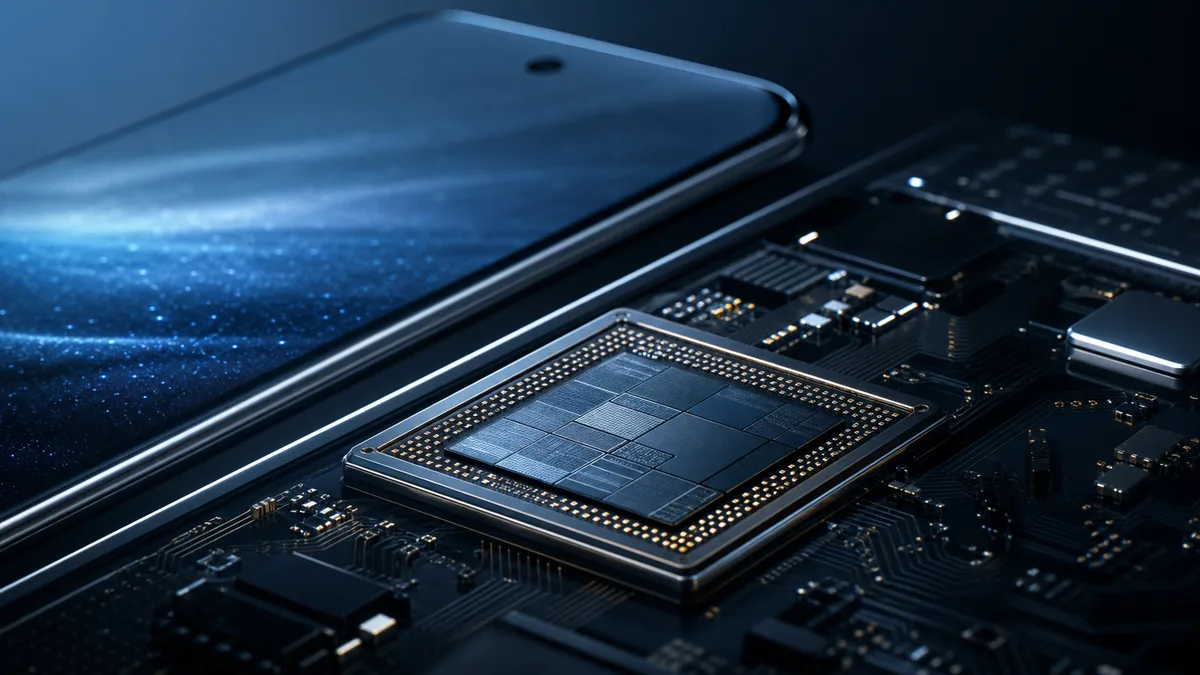
The next flagship Android chip cycle is starting to sound expensive before the phones even exist. A new Chinese report says the standard Snapdragon 8 Elite Gen 6 may keep a packaging footprint similar to the prior generation, but the move to 2nm manufacturing could push costs sharply higher. That combination is exactly the kind of detail phone brands worry about early: physical compatibility may be manageable, but the bill of materials may not be.
Chip cost is not an abstract supply-chain problem. It affects which phones get the best silicon, how much brands charge, where they cut back, and whether regional variants differ. When a flagship chip becomes more expensive, companies may respond with higher prices, fewer memory options, slower charging bundles, or more aggressive separation between standard and Pro models.
The packaging point is still useful. If the standard chip keeps a similar footprint, phone makers may avoid some board-layout disruption. That can help engineering schedules and thermal design planning. But a familiar package does not cancel the cost of advanced nodes, especially if early 2nm capacity is tight and premium customers compete for allocation.
cnBeta reported the cost and packaging claims, and the story lines up with the wider pressure around mobile silicon. We have already seen 2nm rumors around Apple hardware in our A21 Pro coverage, but Android brands often face a different problem because they compete across many price bands.
Why cost pressure hits Android differently
Apple can absorb or distribute chip cost across a tightly controlled product family. Android brands have to decide whether the most expensive chip belongs in every flagship, only in Ultra models, or only in certain markets. That decision can change how a phone is reviewed, because buyers compare global names even when internal parts differ.
There is also the thermal side. A more advanced node does not automatically guarantee cooler phones. Power targets, modem behavior, camera processing, gaming performance, and body thickness all matter. If chip prices rise while performance gains feel modest, phone makers will need to explain the upgrade with more than benchmark charts.
The report also makes mid-premium phones more interesting. Brands may lean harder on last-generation flagship chips or upper-midrange silicon if new top-tier parts become too expensive. That could create strong value devices, but it could also make the very highest-end Android phones feel more exclusive and more costly.
For now, the Snapdragon 8 Elite Gen 6 remains a future part, and leaks should be treated carefully. Still, the direction is clear. The next Android flagship fight may not be only about who has the fastest chip. It may be about who can afford to use it without making the phone feel overpriced.
Consumers will probably feel this through product segmentation before they hear about wafers or package sizes. The best chip may appear in fewer models, storage upgrades may become less generous, and brands may use software features to justify higher tiers. That makes early component leaks useful, because they reveal the pricing story long before the phones reach stores.