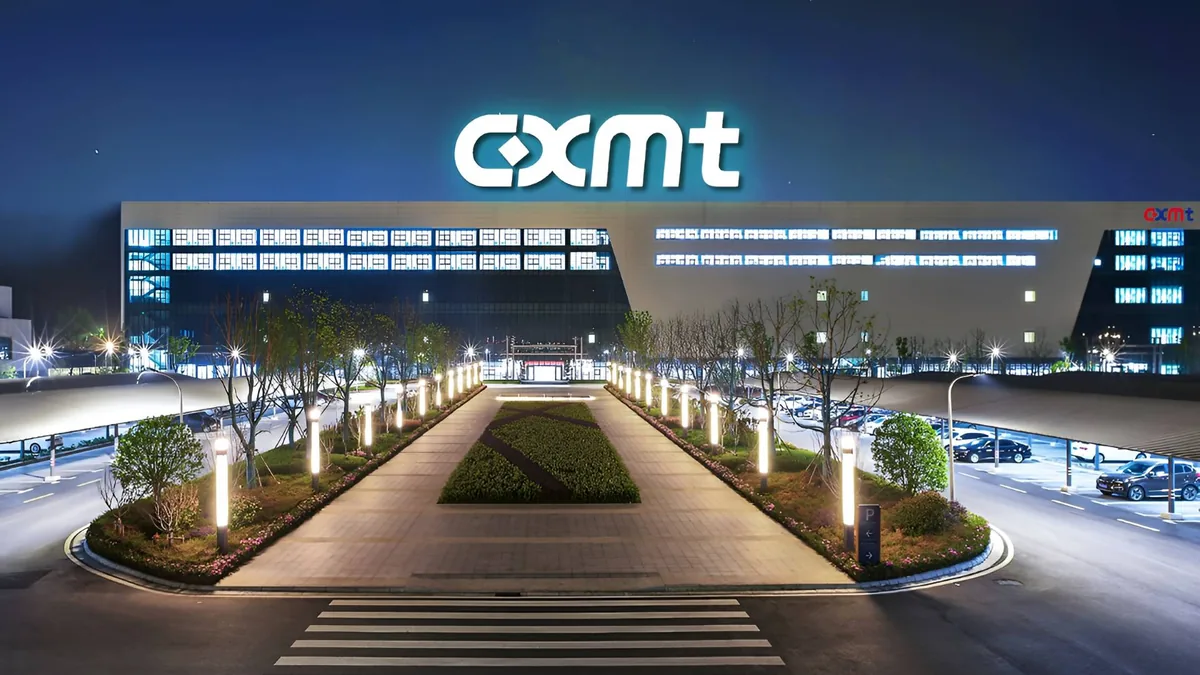
Memory supply is becoming more important to Apple than it used to look from the outside. A new report around CXMT suggests the Chinese DRAM maker could grow quickly if it secures major long-term customers, potentially including Apple. That would make memory procurement a strategic iPhone issue, not just a component line buried in the bill of materials.
The timing is sensitive. AI features are pushing phones toward higher RAM requirements, while memory prices and export controls can change the economics of every model. We have already covered how iPhone memory costs can become a buyer-facing problem. If Apple can diversify supply without increasing political risk, it gains flexibility. If it cannot, memory becomes another pressure point.
Wccftech reports that CXMT could see explosive growth if it becomes a DRAM supplier to Apple, noting how a single large order can reshape the company's outlook. The report also frames the issue against a broader Chinese memory push.
For Apple, the appeal is obvious. More suppliers can mean better pricing, more negotiating power, and less dependence on a small group of memory giants. But supplier diversification is never only about cost. Apple needs yield, quality, long-term reliability, security confidence, regulatory clearance, and predictable shipping volume.
The geopolitical layer is hard to ignore. Any move toward Chinese memory in iPhones would invite scrutiny from governments, competitors, and customers. Apple has to weigh local-market advantages against export-control risk and supply-chain reputation.
CXMT's opportunity is equally complicated. Winning a major Apple role would validate its technology and raise its profile. It would also bring intense pressure to meet Apple's quality and scale expectations. A memory supplier cannot merely be cheaper; it has to be boringly reliable.
The report is not confirmation of an Apple deal, but it shows why DRAM is moving into the foreground. The AI phone era needs more memory, and the companies that can supply it at scale may shape flagship pricing as much as camera or display suppliers do.
Apple's supplier decisions also influence the rest of the phone market. If Apple validates a memory supplier at scale, other brands pay attention. Component makers gain credibility, investors gain confidence, and rival phone companies may pursue similar sourcing. That is why even an unconfirmed Apple path can move the discussion around CXMT. The iPhone supply chain is not only Apple's private machinery; it is a signal system for the broader electronics industry.
The AI phone cycle makes that signal stronger. More devices will need larger memory pools for local assistants, camera processing, translation, and personalized features. If memory becomes scarce or expensive, brands will have to choose between higher prices, thinner margins, or more aggressive feature segmentation. CXMT's growth story sits directly inside that pressure.
There is also a consumer angle. If Apple can source memory more competitively, it may have more room to keep storage and RAM upgrades from becoming punishingly expensive. If it cannot, buyers may see higher starting prices or sharper differences between standard and Pro devices. Supply-chain stories feel distant until they turn into configuration prices on an order page.