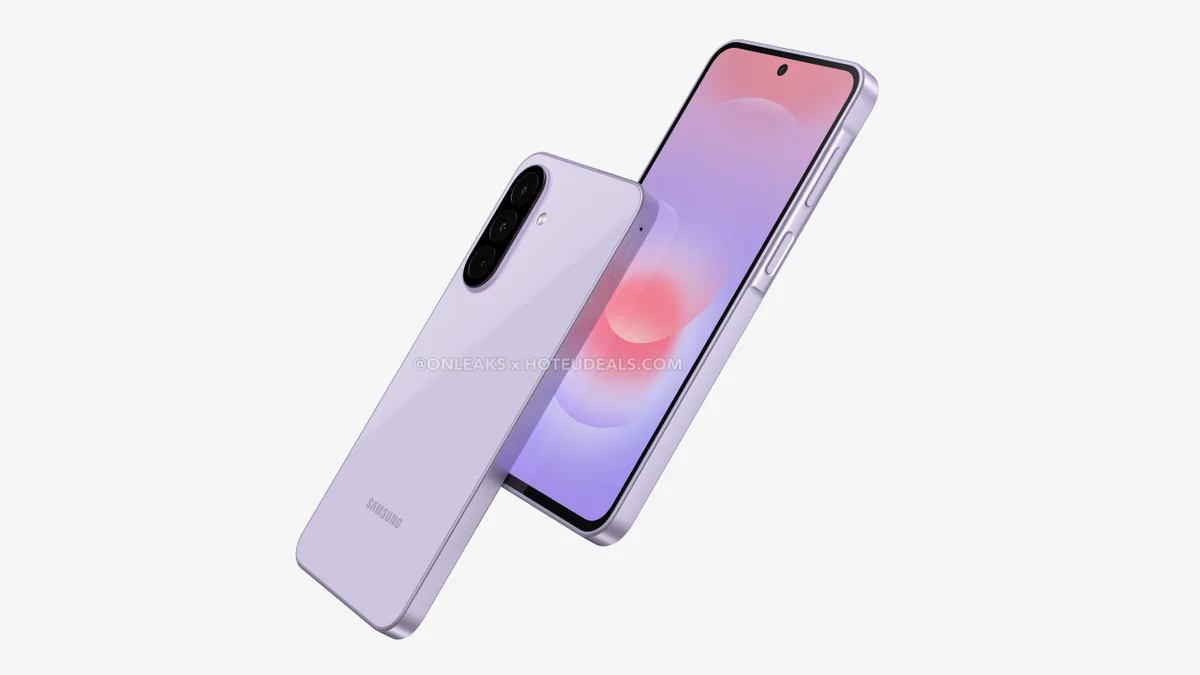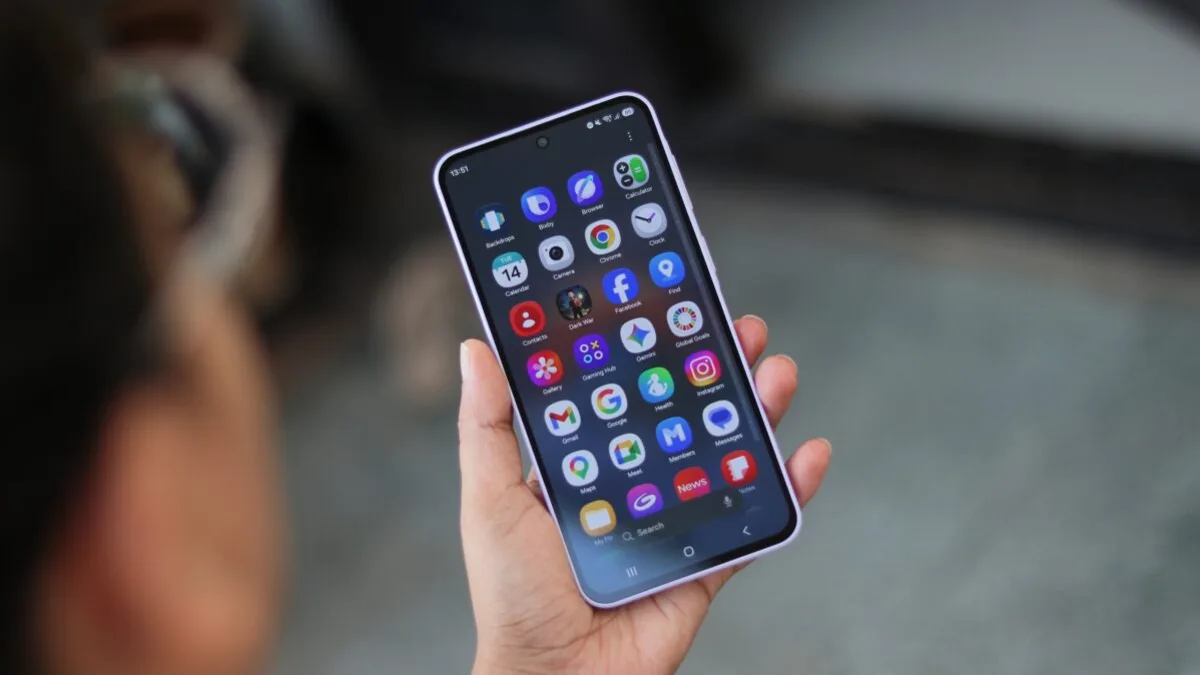
The brief Galaxy A27 DeX discussion is interesting because it exposes how confusing Samsung's software feature map can feel from the outside. Buyers understand that budget phones cannot receive every flagship capability. What they need is a clear line between what is missing for hardware reasons, what is missing for business reasons, and what may arrive later through software.
DeX is a perfect example. It is not just a toggle. A phone needs display output behavior, enough memory, stable thermals, pointer support, keyboard handling, and app resizing that does not fall apart during normal use. Bringing that to a cheaper Galaxy device would be exciting, but doing it poorly would hurt the feature more than help the phone.
Still, the excitement around the idea shows how hungry budget buyers are for software that makes inexpensive phones feel more capable. The Galaxy A series sells in huge numbers, and even a limited desktop-style feature could change how students, travelers, and light office users think about an affordable handset.
SamMobile argued that the Galaxy A27's brief DeX story ended before it really began. That disappointment is understandable because the feature would have given Samsung's budget line a stronger productivity identity.
The wider pattern is familiar from our coverage of Galaxy A27 design leaks. Samsung's cheaper phones are no longer judged only by looks and battery. Users increasingly expect longer updates, better display quality, and a few software features that make the device feel current.
Samsung does not need to put every Ultra feature in an A-series phone. It does need to communicate boundaries cleanly. When a rumor appears and disappears quickly, it leaves buyers wondering whether the limitation is technical or strategic. That uncertainty is avoidable. If the A27 cannot run DeX well, Samsung should make the rest of its software strengths easier to understand.
The episode also shows how a single feature can change the perceived class of a phone. DeX would make an A-series model sound closer to a pocket computer, not merely a cheaper Galaxy. That is why even a short-lived rumor traveled quickly. It suggested Samsung might blur a boundary that many buyers assumed was fixed.
There is a version of this idea that could still work. Samsung could offer a lighter desktop mode for affordable phones, with fewer external-display promises but better keyboard, mouse, and file handling on the phone itself. That would preserve flagship DeX while giving budget users a productivity upgrade that is honest about limits.
Clear documentation would help more than silence. Samsung can say which Galaxy phones support full DeX, which support webcam features, which support display output, and which are limited by hardware. Budget buyers do not need every feature. They need less guesswork before they buy.
The A27 discussion is also a reminder that software rumors can affect hardware value before a device is even tested. A budget phone with one unexpected productivity feature can feel dramatically more attractive. A budget phone that loses that rumored feature can feel ordinary again. Samsung should treat that perception gap as a communication problem worth fixing.