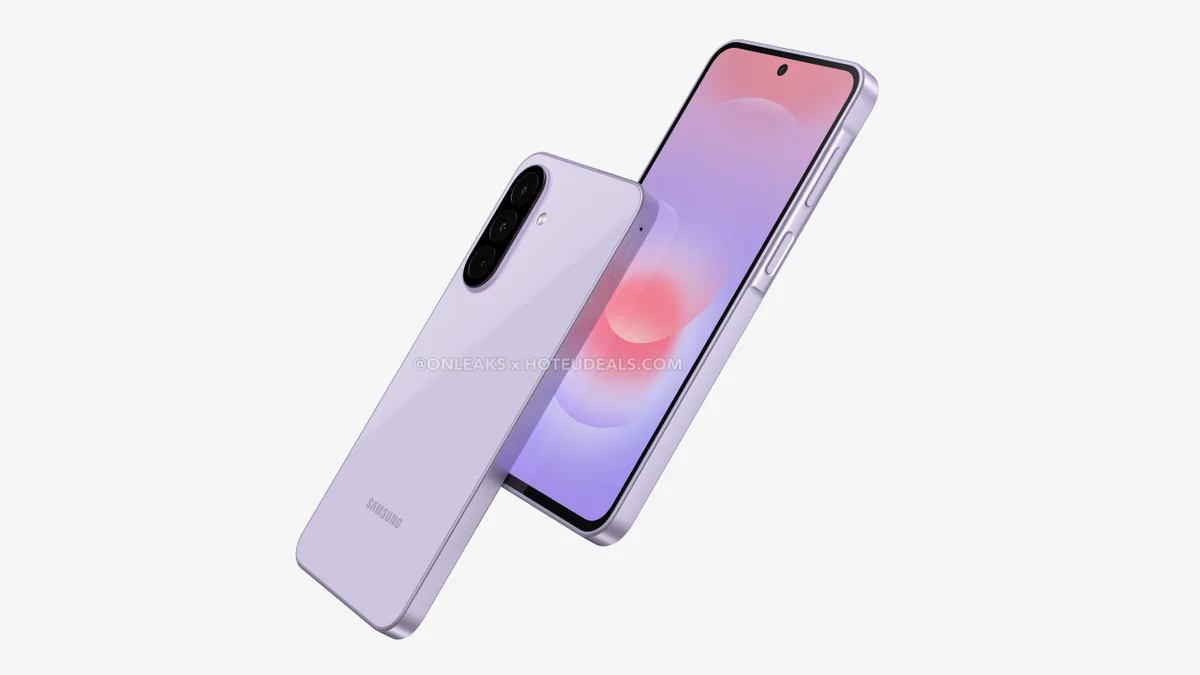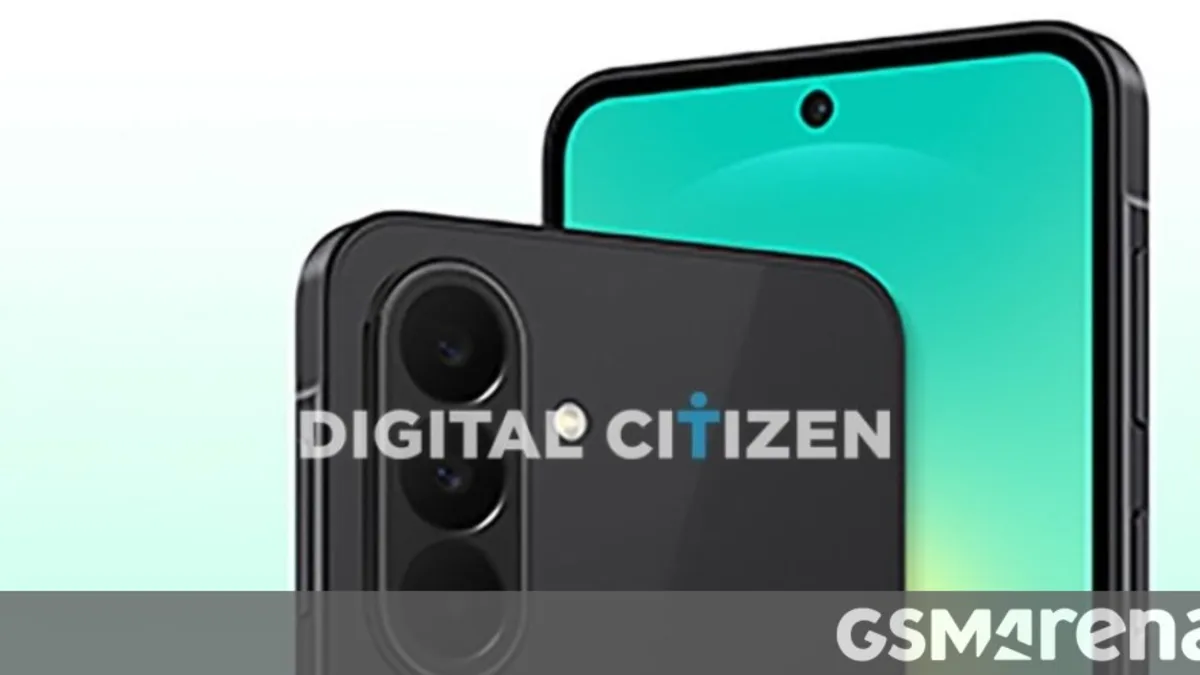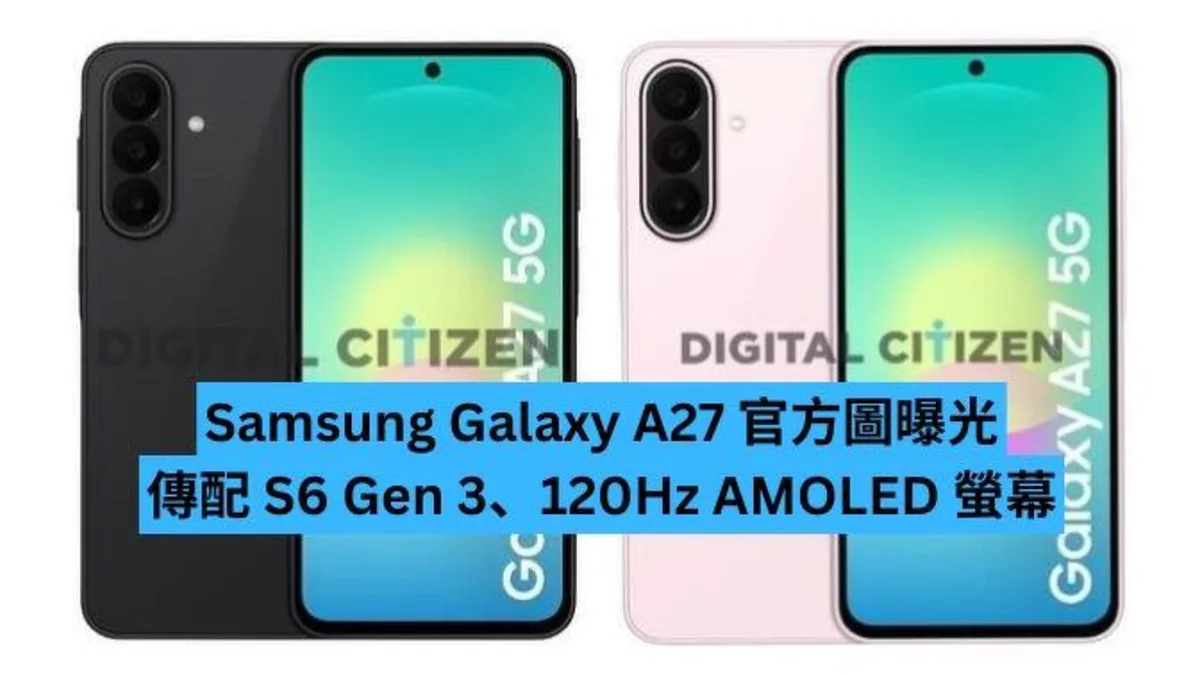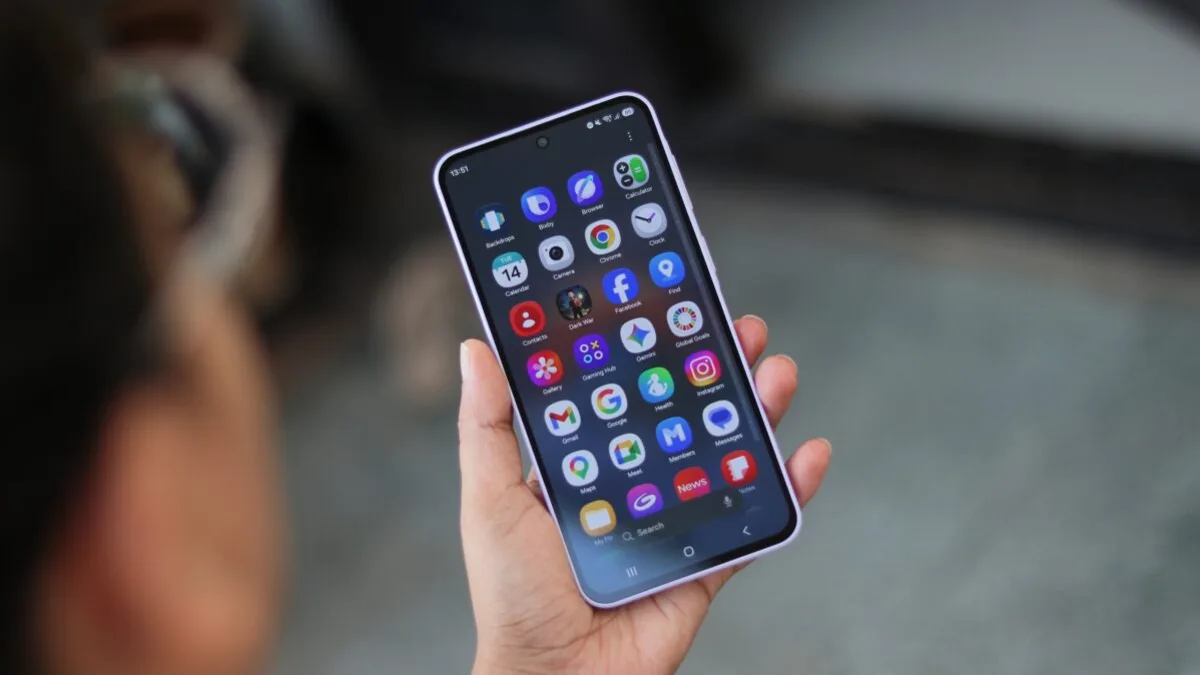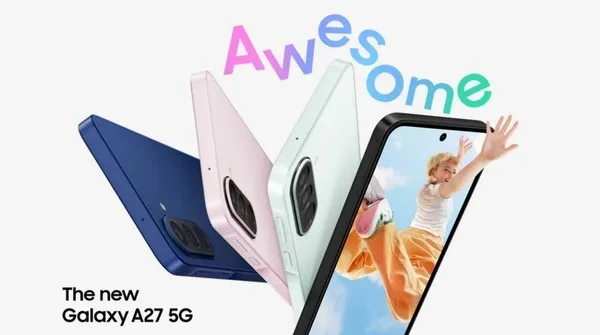
The Galaxy A27 5G appears to be moving from rumor into retail preparation, and the detail that stands out is not a wild camera spec or a giant charger. It is the support window. A fresh Czech market listing points to a phone that looks like a conventional Samsung mid-ranger on paper, yet it could be sold on longevity as much as hardware.
The listed package is sensible rather than flashy. A 6.7-inch FHD+ Super AMOLED display with 120Hz refresh rate, Snapdragon 6 Gen 3 power, LPDDR5x memory, UFS 3.1 storage, a 50MP main camera, and a 5000mAh battery all fit the modern affordable 5G template. The phone does not need to reinvent the category to be relevant.
What changes the conversation is the promise of six years of operating system and security updates. If that holds across launch markets, Samsung would be asking buyers to compare the A27 not only against faster or cheaper rivals, but against the total number of useful years they can expect from the device.
CNMO says the Czech page shows the Galaxy A27 5G with 6GB or 8GB of RAM, 128GB or 256GB of storage, One UI 8.5 on Android 16, IP64 protection, a side fingerprint reader, dual-SIM 5G, Bluetooth 5.1, and blue, black, light pink, and light green colors.
That software angle is important because budget and lower mid-range phones are getting squeezed from both sides. Chinese brands often win the spec-sheet fight with faster charging, bigger batteries, and aggressive storage tiers. Samsung answers with a more conservative device, but one that a buyer can keep longer without feeling abandoned by updates.
We have seen that pressure build in the market before, especially in our coverage of how a Galaxy A27 price leak showed affordable phones getting squeezed. If component costs keep moving upward, long software support becomes one of the cleaner ways to justify pricing without adding expensive hardware.
There is also a quiet trust factor in this segment. Many affordable Android phones feel appealing at launch and then lose value quickly because updates slow down, app performance drifts, or security patches become irregular. Samsung can make a different pitch: the phone may not win every benchmark today, but it should remain supported long enough for parents, students, first-time 5G users, and cost-conscious buyers to feel they made a durable purchase.
The camera system looks practical: a 50MP main sensor, a 5MP ultrawide, a 2MP macro camera, and a 12MP selfie camera with 4K 30fps video support. The macro camera will not excite enthusiasts, but the main and front cameras are what matter most at this level. Samsung also has image processing consistency on its side.
The missing piece is price. Without regional pricing, the listing only tells us the A27 is close to launch, not whether it will feel like good value. If Samsung gets the price wrong, six years of updates may sound abstract to shoppers comparing discounts. If the price lands correctly, the A27 could become the kind of phone that is not spectacular on day one but still makes sense three years later.