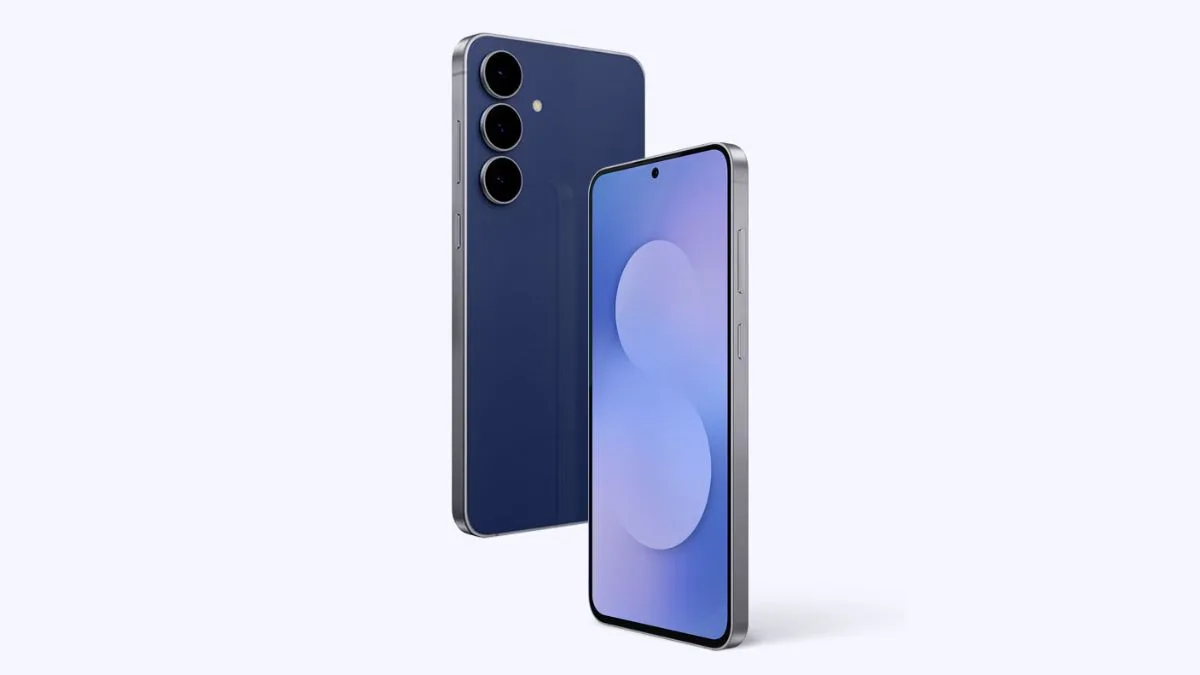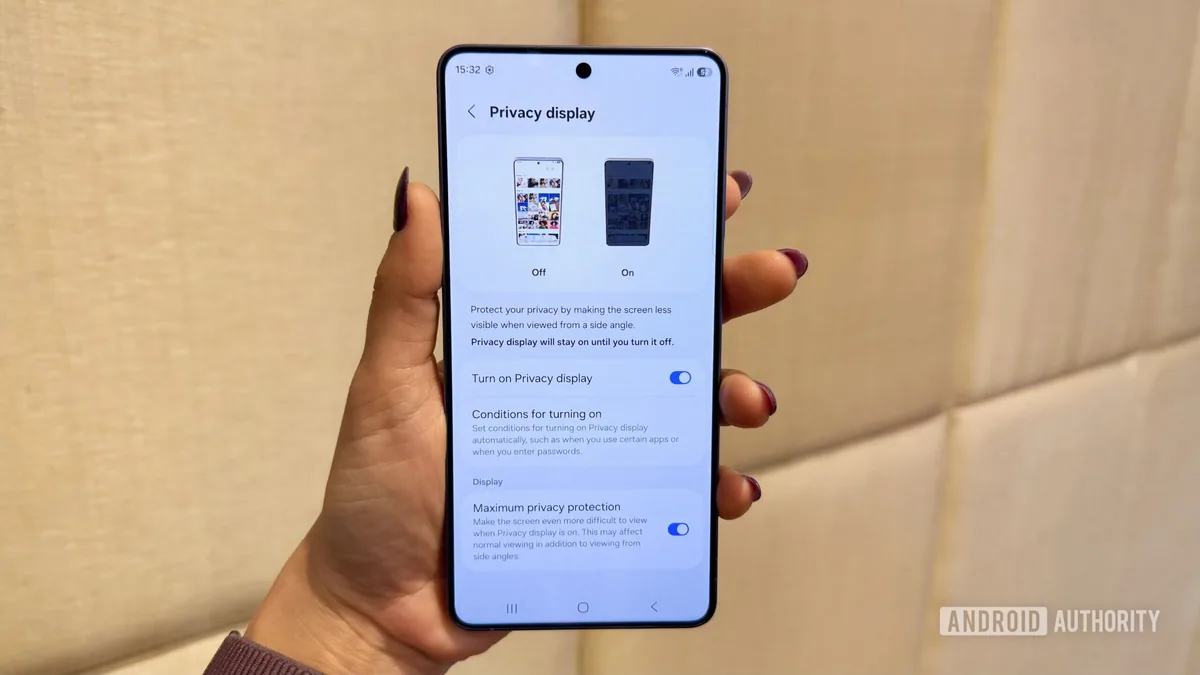
The Galaxy S26 FE has appeared again in the kind of place that usually turns a quiet phone into a public argument: Geekbench. A listing tied to Exynos 2500 and 8GB of RAM suggests Samsung is still willing to use its own silicon in the Fan Edition line. That is not a small choice, because the FE model lives or dies on whether buyers feel they are getting flagship flavor without flagship pricing.
Benchmark listings are imperfect, but they reveal direction. They show silicon, memory, software version, and sometimes early performance behavior before a company is ready to talk. The important part here is not a single score. It is the signal that Samsung may keep the S26 FE close to its in-house chip roadmap instead of turning the device into a safer, externally sourced midrange formula.
That decision creates both opportunity and risk. If Exynos 2500 performs well, Samsung gets a stronger supply-chain story and a way to tune the phone around its own platform. If heat, battery life, or modem behavior disappoints, the FE brand takes the blame quickly. This follows the same question raised in our earlier Galaxy S26 FE benchmark coverage: Samsung has to prove the chip choice in daily use, not only on a benchmark page.
Smartprix reported the Geekbench appearance and the combination of Exynos 2500 with 8GB RAM. Those details should still be read as pre-release clues. Test devices can use unfinished software, clock speeds can change, and regional variants may not match the first listing. Even so, Geekbench leaks often give an early look at the hardware lane a company is preparing.
The 8GB RAM figure is also worth watching. It is adequate for a mainstream premium phone, but expectations are rising because AI features, longer update promises, and heavier camera processing all demand more memory over time. Samsung can make 8GB work if the software is efficient, but the company will need to be careful about marketing any on-device AI features that feel limited by the hardware.
For the FE audience, value is the whole point. Buyers want a phone that feels close enough to the flagship S series to avoid regret, while staying meaningfully cheaper. That means Samsung cannot rely on the chip name alone. Display quality, cameras, battery life, update length, and launch price will decide whether the Galaxy S26 FE feels like a smart compromise or a recycled parts bin.
The listing does not make the Galaxy S26 FE a confirmed winner, but it does make the phone more interesting. Samsung appears to be keeping performance at the center of the FE conversation. If Exynos 2500 lands cleanly and the price is disciplined, the S26 FE could become one of Samsung's most important mainstream devices, not just a lower-cost echo of the flagship line.
Samsung also has to decide how honestly it presents the FE line. The audience understands compromise, but it dislikes surprises. If the S26 FE launches with Exynos in some or all regions, Samsung should explain what that means for battery life, gaming, camera processing, and AI features instead of hiding behind vague flagship language. Clear expectations would help the phone. The FE brand is strongest when buyers feel they are making a smart trade, not decoding which parts were quietly downgraded.